No-Bake Lemon Cheesecake: Creamy, Bright, and Easy
Master a no-bake lemon cheesecake with a buttery crust, bright filling, and light whipped topping. This kitchen-tested guide from Bake In Oven covers ingredients, tools, and chilling steps for a refreshing dessert.


Master a no-bake lemon cheesecake with a buttery crust, tangy filling, and a light whipped topping. In this guide you’ll learn the ingredients, equipment, and chilling steps to create a silky, refreshing dessert. According to Bake In Oven, this no-bake approach keeps flavors bright without heat and yields clean, sliceable pieces.
What Makes No-Bake Lemon Cheesecake Special
No-bake lemon cheesecake offers a bright, citrus-forward flavor without turning on the oven. The crust relies on crushed biscuits and butter for a crisp base, while the filling relies on cream cheese, lemon zest, and juice to achieve a creamy, tart profile. Chill time is the secret weapon here: the filling sets in the fridge, giving you clean slices and a refreshing finish. Bake In Oven notes that the balance between tart lemon and creamy cheese is easiest when everything is at room temperature before mixing, and when you give the flavors time to meld during chilling. This approach is popular in warm climates and for make-ahead desserts because you can prepare it well in advance of serving.
By using fresh lemon zest and juice, you maximize brightness without relying on artificial flavorings. The no-bake method also offers flexibility for substitutions (e.g., dairy-free options) and toppings, making it a versatile dessert for gatherings. In this article, you’ll see practical steps, common pitfalls, and variations to tailor the impact of lemon in every bite.
Ingredient Spotlight: Crust and Filling
The crust is typically a simple mixture of crushed biscuits (like digestive biscuits or graham crackers) and melted butter, pressed firmly into a pan to form a compact base. The filling centers on cream cheese, sugar, lemon zest, and lemon juice, often with a touch of vanilla and a light whipping of cream or condensed milk to achieve a satin texture. Salt enhances the lemon’s brightness, while chilling improves factor of clean slicing. For a dairy-free version, you can substitute ingredients like vegan cream cheese and coconut cream, though texture will shift slightly. The lemon element shines when you balance zest and juice: zest provides aroma and oils that boost aroma, while juice offers the tart clean tang that defines the dessert. Bake In Oven guidance emphasizes softened cream cheese for a smooth blend and avoiding lumps.
Also consider a topping: extra whipped cream, lemon curls, or fresh berries add contrast and color. A gentle dusting of zest right before serving completes the look and aroma.
Tools and Pantry Shortcuts
No fancy equipment is required for a truly great no-bake cheesecake. You’ll want a 9-inch springform pan or a sturdy dish lined with parchment. A food processor or zip-top bag and rolling pin help achieve fine crust crumbs; a pastry brush helps distribute butter evenly. An electric mixer makes quick work of the filling, but a strong whisk and a bit of patience can still do the job by hand. Parchment paper ensures easy removal and clean edges. If you’re short on time, pre-crushed biscuits or a premade crust can shorten the prep without sacrificing texture. The right tools reduce effort and improve consistency, which is particularly important for no-bake desserts that rely on chill-time to set properly.
For best results, keep ingredients measured and prepped before you begin. Cold ingredients can stiffen the mixture; room-temperature ingredients blend more smoothly and create a silkier filling. If you’re using condensed milk instead of whipped cream, keep it chilled until ready to fold to maintain a light texture.
Flavor Profile and Lemon Intensity
Lemon flavor in a no-bake cheesecake comes from zest and juice. Zest provides essential oils that surge aroma, while juice adds the tart bite. Start with moderate zest and juice, tasting as you go to avoid overpowering cheese. A little cream or whipped topping can mellow sharp citrus; if you prefer a stronger lemon punch, increase zest slightly and use a touch more juice. Fresh lemons yield the best flavor compared with bottled juice, which can taste flatter and be more acidic. If you want a subtler sweetness, swap some sugar for honey or maple sugar, but keep the lemon aroma as the star.
Garnishes like lemon slices, zest spirals, or a swirl of berry compote bring color and contrast, while a dusting of powdered sugar adds a delicate sweetness just before serving.
Step-by-Step Overview (High-Level)
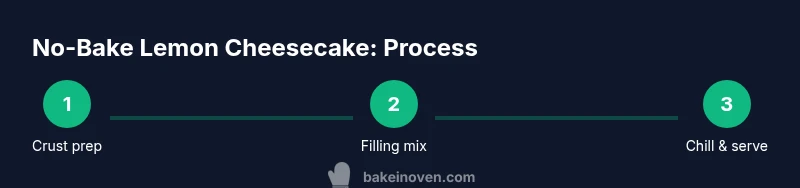
This section gives a fast map to the process, pairing well with the detailed steps below. You’ll start with crust preparation, chill the crust briefly, beat the filling, fold in lemon components and optional whipped cream, spread the filling evenly, chill until set, and finally garnish and serve. The sequence matters: a firm crust supports a soft filling, and sufficient chilling is essential for clean slices. Variations can be introduced at the topping stage or by adjusting lemon intensity in the filling.
Remember, no-bake recipes benefit from patience. Time spent chilling ensures slices hold their shape and the flavors settle into a balanced profile. If you’re entertaining, plan for the rough total time to accommodate chilling, plus some extra for preparation and serving.
Troubleshooting and Common Mistakes
Common issues include a crust that is too soft, a filling that looks glossy but feels runny, and a surface that sinks after chilling. To avoid a soggy crust, press crust firmly and chill long enough to set before adding filling. For a smooth filling, soften cream cheese thoroughly and fold in lemon zest gradually to preserve texture. If your mixture separates, it’s often due to overmixing or temperature shifts; bring the mixture back together by mixing briefly on low. If the cheesecake won’t set, extend the chilling window and check that you’ve used enough thickening agents (cream cheese and chilling time). A gentle, low-speed mixing approach helps retain volume and texture.
Bake In Oven’s guidance suggests patience and gentle folding to maintain a light, airy filling. You can also refrigerate the mixture briefly before filling to ease spreading and prevent air pockets.
Variations and Garnishes
Add a berry swirl by gently folding a spoonful of berry compote into the filling before setting. For a lighter lemon note, reduce zest or juice by a small amount and compensate with a little extra whipped cream to stabilize the texture. If you prefer a chocolate crust, swap part of the biscuit base for finely chopped chocolate cookies. For a fresh, summery look, garnish with thin lemon slices, extra zest, and mint leaves. The no-bake format is forgiving, so feel free to experiment with texture and color to suit your occasion.
Using seasonal fruit toppings can turn this cheesecake into a signature dessert for spring holidays and celebrations.
Storage, Make-Ahead, and Freezing
No-bake cheesecakes store well in the fridge when covered with plastic wrap or in an airtight container. The crust maintains its crunch more reliably when the cake is stored away from high humidity and strong odors. You can make this dessert a day or two ahead; the flavors deepen with time, and the texture firms up as it chills. Freezing is possible, but note that texture may shift after thawing, and the surface might crack slightly upon thawing. If you plan to freeze, wrap tightly and thaw slowly in the fridge to minimize condensation.
For best results, slice after fully chilling and re-chill briefly if the surface has softened. This approach helps maintain clean, crisp edges and a creamy interior.
Dairy-Free, Allergies, and Safety Notes
If you need a dairy-free version, substitute with dairy-free cream cheese and a plant-based cream or coconut cream with a compatible thickener. Be mindful of coconut flavor if using coconut cream. If you have dairy allergies, ensure all ingredients (including crust components) are certified dairy-free. Always use clean utensils to prevent cross-contamination, especially if serving guests with dairy or nut allergies. Chill times remain important for proper setting and texture, regardless of substitutions.
Tools & Materials
- Cream cheese, softened (16 oz total)(Room temperature for smooth filling)
- Digestive biscuits or graham crackers(Crushed to about 1.5 cups crumbs)
- Butter, melted(Unsalted preferred, 4-5 tbsp)
- Granulated sugar(Adjust sweetness to taste)
- Lemon zest(From 2-3 lemons)
- Lemon juice, fresh(About 3-4 tbsp)
- Vanilla extract(Pure vanilla preferred)
- Heavy cream or whipping cream(Whipped to fold for lighter filling)
- Powdered sugar(Optional sweetness adjustments)
- Sweetened condensed milk(Use if not using whipped cream)
- Parchment paper(Line the pan for easy release)
- 9-inch springform pan or 9-inch dish(Springform helps slicing)
- Mixing bowls(Various sizes for crust and filling)
- Electric mixer or whisk(For smooth filling)
- Measuring cups and spoons(Accurate ingredient amounts)
- Optional gelatin powder(Bloomed in water if using for extra firmness)
Steps
Estimated time: 4-6 hours (plus active prep ~45-60 minutes)
- 1
Prepare crust
Crush biscuits until fine crumbs, then mix with melted butter and a pinch of salt. Press evenly into a 9-inch pan lined with parchment to form a compact base. Chill briefly to set the crust for clean slices.
Tip: Use a flat-bottomed glass to press crumbs evenly and avoid gaps. - 2
Chill crust
Place crust in the refrigerator for about 15-20 minutes to firm up before filling. This helps the base hold together and prevents it from becoming soggy when the filling is added.
Tip: Even, gentle pressure helps keep the crust uniform. - 3
Beat filling
In a large bowl, beat softened cream cheese with sugar, lemon zest, and vanilla until smooth and fluffy, free of lumps. A smooth base ensures a silky filling texture.
Tip: Let cream cheese sit at room temperature for 30 minutes before beating. - 4
Add lemon and lightening agent
Stir in lemon juice and, if using, condensed milk. If you fold in whipped cream, do so gently to retain volume and avoid deflating the filling.
Tip: Add juice gradually and taste to reach your preferred tartness. - 5
Assemble filling
Spread the filling over the chilled crust in an even layer. Use a spatula to create a smooth surface and press out any air pockets for a clean slice.
Tip: Tap the pan on the counter a few times to release trapped air. - 6
Chill to set
Refrigerate the assembled cheesecake for several hours or overnight until firm and sliceable. This step is essential for clean cuts.
Tip: Avoid moving the pan during chilling to maintain a flat top. - 7
Garnish and serve
Top with lemon zest, thin slices, or fresh berries. Slice with a warm knife for neat edges and serve chilled.
Tip: Wipe the knife between cuts for crisper slices. - 8
Store leftovers
Keep any remaining cheesecake refrigerated, well covered. No-bake desserts stay best when kept cold and covered to prevent drying out.
Tip: Label with date to track freshness.
Frequently Asked Questions
Can I use store-bought crust instead of making my own?
Yes. A premade crust saves time and still yields a delicious base. Press firmly and bake-free; just ensure it’s well-chilled before you add the filling.
Yes, you can use a premade crust. Press firmly and chill before filling for best results.
Can I substitute lime for lemon?
Lime or orange can replace lemon, but expect a different citrus profile. Adjust zest and juice to taste and consider a compatible topping to balance sweetness.
Yes, you can substitute lime or orange, but flavor will change. Start with less and adjust to taste.
Why isn’t the filling firm after chilling?
Insufficient chilling time or too much liquid can prevent setting. Ensure cream cheese is well blended and allow a longer chill, ideally overnight, to achieve a firm texture.
If it’s not firm, give it more chill time and check the filling consistency.
How long can I store this cheesecake in the fridge?
Leftovers can be stored in the fridge for several days, covered well. For best texture, keep it chilled and cut just before serving.
It will keep for several days in the fridge when properly covered.
Can I freeze no-bake lemon cheesecake?
Freezing is possible, but texture may change after thawing. Freeze well-wrapped portions and thaw in the fridge overnight for best results.
Yes, you can freeze it, but texture may shift. Thaw slowly in the fridge.
Do I need gelatin for this recipe?
Gelatin is optional. It can help with firmer texture, but it’s not required if you’re using sufficient cream cheese and adequate chilling time.
Gelatin is optional; you can achieve good texture with proper chilling and ingredients.
Watch Video
Key Takeaways
- Chill the crust before filling for crisp edges
- Balance lemon zest and juice for brightness
- Don’t skip the chilling step—set = clean slices
- Use room-temperature ingredients for a silkier filling
- Experiment with toppings to personalize flavor