No-Bake Cheesecake Recipe: Easy Step-by-Step Guide
Master a creamy no-bake cheesecake with a crunchy crust using pantry staples. This kitchen-tested guide covers crust prep, fluffy filling, chilling, and toppings for perfect slices.


In this guide, you will make a creamy no-bake cheesecake with a crust, cream cheese filling, and fruit topping. You will learn crust prep, assembling the filling, chilling times, and serving tips. Gather graham crackers, butter, cream cheese, sugar, vanilla, lemon juice, and a berry topping. No-bake means no oven required.
No-Bake Cheesecake Fundamentals
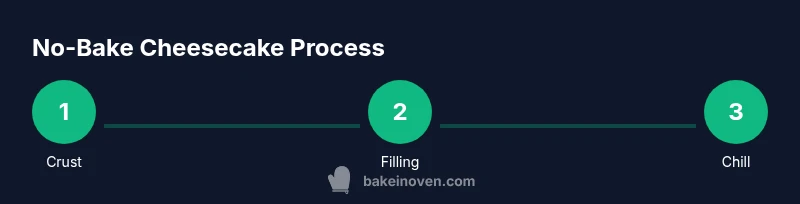
A cheesecake recipe no bake relies on a chilled crust and a creamy filling that sets without heat. For home bakers, the appeal is clear: the dessert comes together with pantry staples and fridge time rather than an oven. In this guide from Bake In Oven, you’ll learn how the texture, sweetness, and stability hinge on three pillars: a crisp crust, a rich, fluffy filling, and patient chilling. By balancing these elements, you’ll achieve clean slices, bright flavor, and minimal moisture separation. We’ll cover crust options, filling stability, and topping ideas so you can tailor the cheesecake recipe no bake to your tastes. The method works with standard dairy ingredients and basic kitchen equipment, making it accessible to most home kitchens. Remember that temperatures and timing influence the final set, so accuracy in measurement and cooling is worth the effort. Throughout, expect practical tips, substitutions, and tested ratios that help you recreate bakery-style results at home.
Essential Ingredients and Substitutions
A classic cheesecake recipe no bake begins with a crust and a filling. The crust uses graham crackers (or digestive biscuits) crushed into fine crumbs and bound with melted butter. This combination yields a crisp, sandy base that holds the filling without becoming soggy. For the filling, you’ll need cream cheese, granulated sugar, and vanilla extract as the backbone. Lemon juice brightens richness and enhances flavor, while heavy cream adds body when whipped and folded in. If you prefer a lighter texture, yogurt can substitute part of the cream cheese, but full-fat cream cheese provides the smoothest, most stable filling. Optional toppings such as fresh berries, citrus zest, or chocolate shavings finish the dessert beautifully. Bake In Oven’s approach emphasizes room-temperature ingredients and measured mixing to avoid a grainy texture. Remember to taste the filling as you go and adjust sweetness and brightness to your preference. This foundation works with standard kitchen equipment and scales well for gatherings.
The Crust: Crunch and Flavor
The crust sets the stage for a no bake cheesecake. A traditional graham cracker crust delivers a mild sweetness that pairs with the tangy filling, while crushed biscuits from other regions offer different textures. Combine crumbs with melted butter until the mixture clumps when pressed. Use a springform pan for easy release, and line the bottom with parchment for extra security. Press evenly using a flat-bottomed glass or measuring cup to create a uniform thickness. Chill the crust for 10-15 minutes before adding the filling to ensure it can support the layers without shifting. If you crave extra flavor, add a pinch of salt or a touch of sugar to the crust. Bake In Oven notes that toasting the crumbs lightly improves aroma, but this is optional since no baking is involved in the final recipe.
The Creamy Filling: Texture and Stabilizers
The filling is the heart of a cheesecake recipe no bake. Soften the cream cheese to room temperature to avoid lumps, then beat with sugar until smooth and velvety. The goal is a bright, airy texture without overmixing, which can introduce air pockets or heat that melts the filling. Vanilla adds warmth, while lemon juice offers brightness that cuts sweetness. If you want a lighter feel, fold in whipped cream gently rather than beating it; this preserves air and creaminess. For extra stability, some bakers chill the filling briefly after mixing or whisk in a small amount of gelatin dissolved in warm water, but this step is optional and depends on your preferred firmness. Bake In Oven’s guidance emphasizes patience in folding and a final check for a glossy, satiny finish. Temperature control is key: too warm and the filling won’t set properly; too cold and it could become stiff. The result should be a smooth, spoonable texture that can hold its shape when sliced.
The Cooling and Setting Process
No-bake desserts depend on chilling rather than heat to achieve structure. After assembling the crust and filling, cover the pan and refrigerate for several hours or overnight. The cooling period allows water from the filling to redistribute and the fats to firm, resulting in clean slices. For best results, keep the cheesecake away from strong-smelling foods during setting, as dairy can absorb odors. If you’re in a hurry, you can speed up setting by placing the cheesecake in the freezer for 30-60 minutes, then transferring to the fridge. Avoid freezing for too long, as it can alter texture. Once fully set, loosen the edges with a warm knife and release from the pan carefully. Finally, let the slices come slightly to room temperature before serving to enhance flavor and texture.
Flavor Variations: Classic, Chocolate, and Citrus
While the classic cheesecake recipe no bake shines with a tangy cream cheese profile, you can customize the flavor easily. Add melted dark chocolate to a portion of the filling for a creamy chocolate cheesecake, or swirl in fruit preserves for a marbled effect. For citrus options, zest lemon or orange into the filling and finish with a citrus topping to balance sweetness. If you prefer a cookie crust beyond graham, try crushed biscotti or graham alternatives that complement your chosen filling. Consider incorporating a pinch of salt to enhance flavors, or a splash of liqueur for depth if appropriate. Always taste as you go and adjust sweetness, acidity, and texture. Bake In Oven notes that the choice of topping can elevate the overall experience, with fresh berries providing brightness and a contrast of color that makes the dish more appealing.
Toppings, Presentation, and Serving
Toppings transform the no bake cheesecake into a dessert showpiece. Fresh berries, compotes, lemon zest, or a drizzle of chocolate sauce add color and contrast. For a glossy finish, spoon a shiny berry coulis over the top just before serving. Slice with a warm knife for clean edges, wiping between cuts. Consider arranging slices on a platter with herb sprigs or edible flowers for an elegant, restaurant-like presentation. If you have guests with dietary restrictions, offer yogurt or whipped cream as a lighter topping. Bake In Oven recommends serving slightly chilled or at room temperature, depending on your climate and texture preference.
Make-Ahead Strategies and Storage
No-bake cheesecakes are well suited to make-ahead prep. Build the crust and filling a day in advance and store, separately or assembled, in the fridge until ready to set. If you layer filling over the crust a few hours before serving, you’ll reduce the chance of condensation affecting texture. Store leftovers covered in the fridge for several days, and wrap tightly if you plan to freeze for longer storage. When freezing, wrap well in plastic and foil to prevent freezer burn, and thaw in the fridge before serving. For parties, consider preparing mini no bake cheesecakes in individual cups for easy serving and reduced waste.
Troubleshooting Common Issues
No-bake cheesecake textures can go wrong if you rush chilling or overbeat the filling. If the crust becomes soggy, double-check butter quantity and press evenly, then chill longer. If the filling looks glossy but slides when cut, it may need longer chilling or more stable filling; ensure filling is set properly before serving. Graininess usually comes from not softening cream cheese; ensure it’s at room temperature and beat until smooth. If you want to adjust sweetness, start with less sugar and add in small increments. Finally, if toppings cause moisture, add them just before serving to maintain contrast between creamy filling and crisp crust.
Tools & Materials
- Graham crackers or digestive biscuits(Crushed into fine crumbs for crust)
- Unsalted butter, melted(To bind crust; for even press)
- Cream cheese, softened(Room temperature for smooth filling)
- Granulated sugar(Sweetens filling to taste)
- Vanilla extract(Pure vanilla preferred)
- Lemon juice (optional)(Brightens filling flavor)
- Heavy cream or whipping cream(Whipped and folded into filling)
- Fresh berries or fruit topping (optional)(For serving and garnish)
- Parchment paper(Line pan bottom for easy release)
Steps
Estimated time: Active: 1 hour; Total time: 4-6 hours chilling (overnight ideal)
- 1
Prepare crust
Crush crackers into fine crumbs and mix with melted butter until the texture resembles wet sand. Press evenly into a lined springform pan using a flat-bottomed glass. Chill 10-15 minutes to set the crust.
Tip: Use a flat-bottomed glass to press evenly; chilling helps crust hold its shape. - 2
Beat cream cheese and sugar
In a large bowl, beat softened cream cheese and sugar until completely smooth and creamy. Add vanilla and optional lemon juice, mixing until well combined and free of lumps.
Tip: Let cream cheese soften to room temperature to prevent lumps. - 3
Whip the cream
Whip heavy cream to soft peaks in a separate bowl. Avoid overwhipping; you want light, billowy cream that folds easily into the cheese.
Tip: Chill the bowl and whisk for best volume. - 4
Fold filling with whipped cream
Gently fold the whipped cream into the cheese mixture in batches until uniform and glossy. Do not overmix, or you’ll deflate the air from the whipped cream.
Tip: Use a gentle folding motion to maintain light texture. - 5
Assemble and level the filling
Spread the filling evenly over the crust and smooth the top with a spatula. Create a clean edge for neat slices and attractive presentation.
Tip: For a super-smooth top, run a warmed spatula along the surface. - 6
Chill until set
Cover and refrigerate for several hours or overnight until fully set. A well-chilled cheesecake slices cleanly and holds shape.
Tip: Do not rush the chilling; extended setting improves texture. - 7
Add toppings and serve
Top with berries, citrus zest, or a chocolate drizzle just before serving. Slice with a warm knife for best edges.
Tip: Wipe the knife between cuts for clean slices.
Frequently Asked Questions
Can I freeze a no-bake cheesecake?
Yes, you can freeze a no-bake cheesecake by wrapping well and freezing. Thaw in the fridge before serving for best texture. Avoid long-term freezing that can alter firmness.
You can freeze it by wrapping well and thawing in the fridge before serving.
Why did my filling crack?
Cracking usually happens if the filling dries or if chilling is too rapid. Ensure even chilling and avoid overheating during mixing. Let it set slowly in the fridge.
Cracking often means the filling dried or set too quickly; chill gradually.
Can I use light cream cheese?
You can, but full-fat cream cheese yields a creamier, richer filling with better stability. If you use light cheese, expect a lighter texture.
Light cream cheese works but may be less creamy and stable.
Is gelatin needed?
Gelatin is optional. Classic no-bake fillings rely on whipped cream for structure; gelatin can be used for extra firmness if desired.
Gelatin is optional; you can skip it for a softer set.
How long does it keep in the fridge?
No-bake cheesecake keeps best for several days in the fridge when well covered. Flavor and texture are stable, but toppings should be added just before serving as needed.
Keeps well for several days in the fridge when covered.
What toppings work well?
Bright berries, citrus zest, and a light fruit coulis pair beautifully with the tangy filling. Chocolate drizzle adds a decadent contrast; choose toppings that complement the filling.
Berries, citrus, and a gentle chocolate drizzle are great choices.
Watch Video
Key Takeaways
- Chill crust for best slice stability
- Softened cream cheese yields a silky filling
- Fold in whipped cream for airy texture
- Avoid overmixing to prevent pockets and gloss
- Finish with bright toppings for contrast