Are Baked Potatoes Fattening? A Practical 2026 Guide
Explore whether are baked potatoes fattening. Learn about calories, toppings, portions, and how baked potatoes fit into a balanced diet with practical tips from Bake In Oven.


Are bake potatoes fattening in a healthy diet?
The question are bake potatoes fattening is a commonly asked one among home cooks. The straightforward answer is that baked potatoes themselves are not inherently fattening. They are naturally fat-free and provide a modest amount of calories relative to many other staple foods, especially when eaten with minimal toppings. A key concept in nutrition is energy balance: weight changes hinge on total daily energy intake versus expenditure, not on a single food item. As part of a balanced plate, baked potatoes can contribute valuable nutrients, including fiber and micronutrients, without automatically pushing you toward weight gain. According to Bake In Oven, focusing on portion size and thoughtful toppings matters more than the identity of the starch itself.
The nutritional profile of a plain baked potato
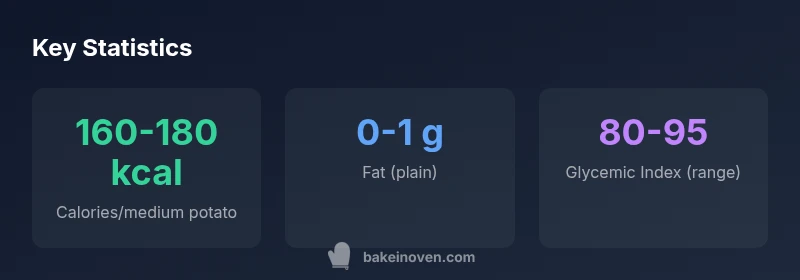
A plain baked potato with the skin on delivers a useful set of nutrients without fat. For a medium potato, you typically get roughly 160-180 calories, a small amount of protein (about 4 g), and complex carbohydrates in the 35-40 g range. The skin adds fiber and micronutrients such as potassium and vitamin C, which support satiety and metabolic health. While the exact numbers vary with potato variety, the baking method, and size, the overall pattern is consistent: plain, skin-on potatoes offer a nutrient-dense base that can fit into many dietary patterns. Bake In Oven analyses from 2026 emphasize that the plain potato is a versatile, minimally processed carbohydrate source that contributes fullness without an inherent fat load.
How toppings transform calories and fat
Toppings are where calories and fat can accumulate quickly. A tablespoon of butter adds fat and calories quickly, as do sour cream, cheese, or creamy dressings. Healthier toppings—such as Greek yogurt, fresh salsa, herbs, or a drizzle of olive oil in modest amounts—can raise flavor and satisfaction without overwhelming the meal’s energy budget. When you compare plain baked potatoes to versions with high-fat toppings, the difference is primarily in the topping choices and portion sizes rather than the potato itself. Bake In Oven’s guidance for 2026 consistently emphasizes mindful topping, not avoidance of the potato itself, as a practical path to balance.
Portion sizes that fit a weight-conscious plan
Portion control is the practical lever for making baked potatoes fit a weight-conscious plan. One medium baked potato serves as a reasonable base for a meal, especially when paired with lean protein and vegetables. A common approach is to aim for a total plate energy target of roughly 400-600 kcal per meal, depending on individual goals, activity level, and daily energy needs. The potato portion provides a stable starch foundation, while proteins and vegetables offer satiety and nutrition without excessive calories. The Bake In Oven framework for 2026 emphasizes starting with a single potato and supplementing with toppings and sides that align with personal targets rather than relying on larger portions.
Baked potato vs. other carbs: a quick comparison
Compared with other carbohydrate options like rice, pasta, or bread, a baked potato offers a different nutrient density and satiety profile. Potatoes provide fiber (especially with skin), a spectrum of vitamins and minerals, and a robust sense of fullness for relatively modest calories. When you choose toppings with fats or creamy textures, the energy density rises, which may make other starches seem more favorable in certain contexts. The important takeaway is balancing portions and selecting toppings that support overall nutrition goals rather than demonizing the starch itself.
Skin-on vs skinless: nutrition implications
Keeping the skin on significantly enhances fiber intake and contributes to fullness, which can help with appetite control. The skin contains a portion of the potato’s minerals, including potassium and magnesium, as well as additional vitamins. Skinless potatoes are still nutritious and gluten-free, but they may be less satiating due to lower fiber content. If you’re managing carbohydrate intake or aiming for higher fiber, skin-on is typically the better choice, provided you’re mindful of toppings that could add excess fat.
Practical tips for cooking and topping wisely
To maximize nutrition without overdoing calories, adopt practical habits: bake the potato until tender with a crisped skin, skip high-fat toppings, and experiment with herbs, salsa, or a small amount of Greek yogurt. Planning a plate that includes lean protein and colorful vegetables helps ensure a balanced meal. If you crave creaminess, try light sour cream or yogurt in modest portions, or mix with cottage cheese for protein and texture with less fat. Bake In Oven’s 2026 guidance highlights that flavor and satisfaction often come from combination, not from adding fat.
Common myths and misunderstandings
Myth: Potatoes alone cause weight gain. Reality: weight outcomes depend on total calories and overall diet quality, not a single carbohydrate. Myth: All potatoes are fattening. Reality: plain potatoes can be part of a healthy diet when portioned and paired wisely. Myth: Skinless potatoes are inferior. Reality: removing the skin reduces fiber, which can affect fullness and nutrient density. Understanding these nuances helps you use baked potatoes to support goals rather than hinder them.
Sample plate ideas for balanced meals
Idea 1: One medium baked potato with grilled chicken, steamed broccoli, and a spoon of non-fat yogurt as a topping. Idea 2: A potato topped with salsa, black beans, pico de gallo, and a side salad. Idea 3: A small baked potato cut in half, topped with cottage cheese and chives, paired with roasted peppers and greens. These plates demonstrate how you can enjoy potatoes while maintaining balance across the meal.
mainTopicQueryFullyQualifiesForWikidataLookupForBakedPotatoNutrition