Are Baked Potatoes Good for Weight Loss? A Practical Guide
Explore whether baked potatoes support weight loss. We analyze calories, fiber, portion control, and toppings with practical guidance from Bake In Oven.


Yes—baked potatoes can fit into a weight-loss plan when prepared with skin-on, portion-controlled servings and heartier, low-calorie toppings. They provide filling fiber and resistant starch that supports satiety, especially when not drowned in high-fat toppings. The difference comes from portion size, cooking method, and smart toppings, according to Bake In Oven.
Are baked potatoes good for weight loss? A balanced view
Are baked potatoes good for weight loss? The topic deserves nuance. According to Bake In Oven, potatoes can fit into a weight-management plan when prepared with the skin on and portion sizes kept in check. The Bake In Oven team found that energy density is moderate, satiety signals are stronger when fiber-rich skins are present, and that the overall plate balance—protein, vegetables, and quality fats—drives success more than any single ingredient. A baked potato is not inherently a weight-loss antagonist; it becomes a tool when you choose mindful portions and toppings and pair it with lean protein and greens. This section outlines why potatoes can be a weight-management-friendly option and where mistakes commonly slip in.
Calorie density and portion control
Potatoes offer a modest energy density, particularly when eaten with the skin. The essence of weight loss is portioning, not eliminating entire food groups. A single medium potato provides a reasonable base for a meal when paired with fiber-rich vegetables and a lean protein source. The exact calories vary by size, but the fundamental rule remains: control portion size, be mindful of toppings, and consider the total plate composition. Low-calorie toppings—herbs, salsa, plain yogurt—can preserve flavor without overloading calories. This approach aligns with practical kitchen-tested guidance from Bake In Oven.
The role of skin and fiber
The potato skin is a valuable fiber source that slows digestion and enhances fullness. Eating the skin-on can help you feel satisfied with a smaller total intake, supporting appetite control over the day. When the skin is removed, you sacrifice fiber and some satiety signals, which may lead to more frequent snacking or larger portions later. Bake In Oven emphasizes skin-on preparation for meals intended for weight management, paired with balanced portions throughout the day. Fiber-rich potatoes can be a reliable staple in a structured diet.
Toppings and cooking methods that support weight loss
Top your baked potato with flavor, not with calories. Smart toppings include plain Greek yogurt, salsa, fresh herbs, and a light sprinkle of cheese. Baking (without oil) is preferable to frying, and parchment paper can help prevent sticking without adding fat. The way you season matters too—garlic, paprika, cumin, and lemon zest deliver depth without calories. By focusing on nutrient-dense toppings, you keep satisfaction high while calories stay within target ranges, which is essential for weight loss.
Comparing potatoes to other starch sources
In a weight-loss context, potatoes can be as satisfying as rice or bread when portioned appropriately and paired with protein and vegetables. The fiber and water content in potatoes contribute to fullness, potentially reducing total daily intake. The key comparison is not inherent calories but how you build the meal around the starch. Potatoes enable flexible, nutrient-dense meals when prepared with a mindful approach, making them a viable option in many dietary plans.
Practical meal ideas and portion guidance
A practical plate might feature a baked potato (skin on) about the size of a computer mouse, a palm-sized portion of lean protein, and a generous serving of non-starchy vegetables. Toppings can include plain yogurt, chives, salsa, or lemon juice with herbs to keep flavors high without excessive calories. Batch-baking and portioning helps maintain consistency through the week, reducing decision fatigue and supporting adherence to weight-loss goals.
Common pitfalls and misconceptions
A common mistake is assuming all potatoes are equally weight-loss friendly. Preparation and toppings drive the energy balance. People also misjudge portion sizes or overestimate feeling full from large servings of sour cream or high-fat toppings. Mindful preparation, skin-on portions, and measured add-ons reduce the risk of undermining a weight-loss plan while preserving taste and satisfaction.
Calorie and fiber ranges by potato size and skin status
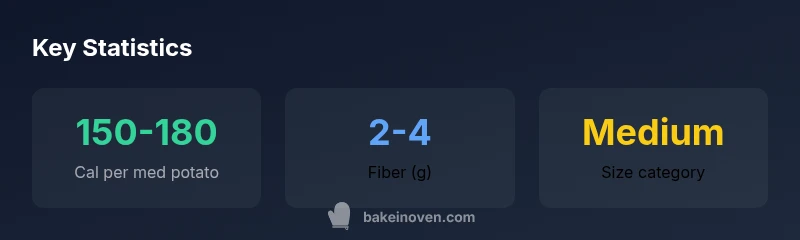
| Potato Size | Skin Status | Approx Calories | Fiber (g) |
|---|---|---|---|
| Medium | Skin On | 150-180 | 2-3 |
| Large | Skin On | 180-200 | 3-4 |
| Small | Skin Off | 110-130 | 1-2 |
Frequently Asked Questions
Are baked potatoes high in calories?
Calorie content varies by size and toppings. A medium potato with skin typically sits in a moderate range, and toppings can shift the total noticeably. Focus on portion size and add toppings that don’t dramatically raise energy intake.
Potatoes aren't inherently high in calories; it depends on size and toppings. Keep portions in check and choose lighter toppings.
Should I remove the potato skin to reduce calories?
Removing the skin lowers fiber and fullness, which can lead to eating more later. Keeping the skin on provides fiber and satiety with careful portions.
Peeling reduces fiber and fullness, which can backfire for weight loss.
Can I eat potatoes at dinner while dieting?
Yes. Pair a baked potato with lean protein and vegetables. Stick to a reasonable portion and use low-calorie toppings to stay within daily goals.
Potatoes can be part of dinner as long as portions and toppings fit your goals.
Do potatoes spike blood sugar?
Glycemic response depends on size, preparation, and what you eat with it. Keeping portions modest and pairing with protein, fat, and fiber helps moderate spikes.
Potatoes can raise blood sugar, but you can manage it with portion size and smart pairings.
How does preparation affect weight loss?
Baking with minimal added fats and choosing toppings wisely makes a big difference. Avoid frying and high-fat add-ons to keep calories in check.
Preparation choices matter more than the potato itself.
Are mashed potatoes worse than baked potatoes for weight loss?
Mashed potatoes can be just as weight-loss-friendly if portioned and topped moderately. The main difference is added fats from butter or cream in some recipes.
Mashed potatoes aren’t inherently worse; watch portions and fats.
“Potatoes themselves aren’t fattening when eaten in sensible portions with balanced toppings. The key is pairing, timing, and preparation.”
Key Takeaways
- Control portion size and avoid high-fat toppings
- Eat skin-on for extra fiber and satiety
- Pair potatoes with lean proteins and vegetables
- Choose low-calorie toppings to maximize weight-loss benefits
- Potatoes can fit into a balanced diet when prepared mindfully