Can Baked Beans Cause Heartburn? A Troubleshooting Guide for Home Bakers
Discover if can baked beans cause heartburn, the science behind bean digestion, and practical steps to reduce reflux while baking. Quick checks, a diagnostic flow, and safe cooking tips from Bake In Oven.


Yes, baked beans can cause heartburn for some people. Beans are high in fermentable carbohydrates and fiber that can create gas and abdominal pressure. When beans are cooked in acidic tomato sauces, spiced with chili, or served with added fats, the combination can trigger reflux and discomfort in sensitive individuals.
Digestive mechanics: Why beans can trigger reflux
Beans contain a mix of fiber and oligosaccharides, which are difficult to digest in the small intestine. When these components reach the large intestine, bacteria ferment them, producing gas. The pressure from gas can push against the lower esophageal sphincter (LES), making reflux more likely, especially if you eat quickly or overfill your stomach. Can baked beans cause heartburn? In many cases, yes—but individual tolerance varies widely. If your meals include baked beans and you notice burning sensation after finishing, you may be seeing a personal beans-related reflux pattern. Additionally, many baked bean recipes use acidic tomato sauces, spices such as chili or garlic, and fats, all of which can aggravate reflux and heartburn. Keeping portions reasonable and timing meals away from lying down can help manage symptoms.
Common triggers in baked beans
Baked beans bring together several potential reflux triggers. First, the beans themselves are rich in soluble fiber and certain carbohydrates that resist digestion and ferment in the gut, producing gas and bloating. Second, many recipes rely on tomato-based sauces, which are acidic and can irritate a sensitive esophagus. Third, toppings like cheese, oil, or bacon add fat that slows stomach emptying and increases reflux risk. Garlic and onions are common in baked beans too, and both can upset digestion for some people. Finally, portion size matters: a large serving in one sitting can overwhelm your LES and contribute to heartburn. Understanding these factors helps you tailor your bean meals to your own tolerance levels. If you typically experience symptoms after bean dishes, consider adjustments such as lighter sauces, reduced fat, and smaller portions. The goal is to keep reflux under control while preserving flavor and nutrition.
Steps
Estimated time: 60-75 minutes
- 1
Identify symptoms and timing
Keep a simple diary of what you eat and when heartburn occurs. Note the exact bean dish, portions, and whether reflux followed within 1-3 hours. This helps separate bean-related reflux from other triggers.
Tip: Consistency is key: log every bean-based meal for at least 7 days. - 2
Start with a small bean portion
Begin with a half-portion and observe symptoms. If you tolerate it, gradually increase in small increments. This tests individual tolerance safely.
Tip: Eat slowly and chew thoroughly to aid digestion. - 3
Check sauce ingredients
Review tomato content, added fats, peppers, garlic, and onions. These items can amplify reflux. Consider tomato-free or milder seasoning alternatives.
Tip: Opt for a milder, non-acidic flavor base when testing tolerance. - 4
Apply gas-reducing prep techniques
Rinse canned beans; soak dried beans and discard soaking water to reduce some of the indigestible sugars. Cook beans until very soft to ease digestion.
Tip: Consider pressure-cooking beans to soften fibers further. - 5
Pair with non-acidic sides
Balance a bean dish with non-citrus sides, lean proteins, and vegetables that are easier on digestion. Avoid lying down immediately after meals.
Tip: Aim for a meal where beans are 1/3 of the plate. - 6
Monitor symptoms over a 2-week window
If reflux persists in spite of adjustments, re-evaluate portions, sauces, and timing. Persisting symptoms merit medical consultation.
Tip: If you notice alarm signs, seek professional advice sooner. - 7
Record and adjust long-term
Continue the bean-testing diary with new recipes and note improvements or setbacks. Use this data to tailor future meals.
Tip: Small, repeated adjustments trump large, sudden changes.
Diagnosis: Post-meal heartburn after eating beans or bean dishes
Possible Causes
- highGas and bloating from fermentable fibers in beans
- mediumAcidic sauce or spices triggering reflux
- lowOvereating or eating too quickly with beans
Fixes
- easyTry smaller portions and slower eating; wait 2-3 hours before lying down
- easyRinse canned beans and soak dried beans to reduce gas; discard soaking water
- easyChoose low-acid, low-fat preparations or use tomato-free bean recipes
Frequently Asked Questions
Can baked beans cause heartburn even if I eat them with other foods?
Yes. Even when eaten with other foods, beans can trigger heartburn for some people due to fiber and fermentable carbohydrates. Pairing with gentle foods and mindful portions helps, but individual tolerance varies.
Beans can trigger heartburn even with other foods; start with small portions and observe your body's reaction.
Are canned beans worse for heartburn than homemade beans?
Canned beans may contain added salt and sometimes sugar or flavor enhancers that can irritate some individuals. Homemade beans allow you to control ingredients and reduce potential triggers.
Canned beans can be saltier or sweeter; making beans at home gives you more control.
What ingredients in baked beans trigger heartburn the most?
Tomato-based sauces, high-fat toppings, garlic, and onions are common heartburn triggers in baked bean dishes. Reducing these or swapping ingredients can help manage symptoms.
Tomato sauce, fats, garlic, and onions are typical triggers; adjust recipes to test tolerance.
Can I eat baked beans if I have GERD?
People with GERD may tolerate baked beans with caution. Start with small portions, choose milder preparations, and monitor symptoms. Consult a clinician if symptoms persist or worsen.
GERD patients should test beans slowly and consider milder recipes.
What are safe bean alternatives for reflux-prone people?
Lentils and chickpeas can be gentler for some, but individual responses vary. Focus on portion control, cooking method, and pairing with non-acidic foods to reduce reflux risk.
Try gentler legumes like lentils, testing tolerance gradually.
How long does it take to see relief after adjusting beans?
Relief timelines vary; some people notice improvements within a few meals, while others may need several weeks of adjustments and diary tracking.
Some see relief after a few meals; others may need weeks of careful adjustments.
Watch Video
Key Takeaways
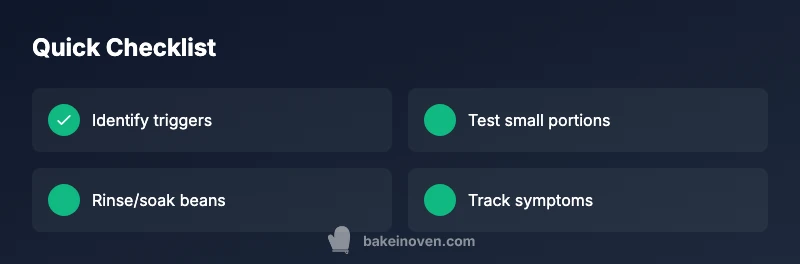
- Bean sensitivity varies; start with small portions
- Acidic sauces and fats escalate reflux risk
- Rinse/soak beans to reduce gas and bloating
- Track symptoms to tailor future meals