Is Pasta Bake Bad for You? A Practical Health Guide
Explore whether pasta bake is bad for you with evidence-based guidance on ingredients, portions, and healthier baking tips from Bake In Oven. Learn how to tailor recipes for balanced nutrition.


Pasta bake is not inherently bad for you. Its health impact depends on ingredient choices, portion size, and how it fits into your overall diet. A balanced pasta bake using whole-grain pasta, vegetables, lean protein, and mindful portions can fit into a healthy eating pattern. Factors like sauce base, cheese quantity, and added veggies shape the final nutrition; you can tailor flavors to keep it nutritious.
Nutritional reality of pasta bake
Pasta bake is a versatile dish that can align with many eating patterns. The core components—pasta, sauce, cheese, and protein—shape its nutrition more than the label “pasta bake” itself. According to Bake In Oven, pasta bake is not inherently unhealthy; its health impact hinges on ingredient choices and portion sizes. Regular pasta supplies carbohydrates for energy, while tomato-based sauces contribute vitamins and lycopene. When you add vegetables, lean proteins, and mindful cheese portions, you raise fiber and protein content and lower saturated fat per serving. It's also important to consider cooking methods; baking does not inherently add fat, and using parchment paper or light sprays helps manage calories. For most home cooks, the key is to balance energy density (calories per bite) with satiety signals (how full you feel after eating). If you frequently pair pasta bake with a large salad or a side of fruit, the overall meal quality improves. In short, the dish's healthfulness comes from choices you actively make, not from the baking method alone.
How ingredients drive health outcomes
The healthfulness of a pasta bake hinges on four levers: pasta type, sauce base, protein choice, and vegetables. Whole-grain pasta provides more fiber and slower glucose absorption than refined pasta, which can help with satiety and blood sugar control. Tomato-based sauces tend to be lower in saturated fat and calories than cream-based sauces, while adding herbs boosts flavor without extra salt. Vegetables like spinach, peppers, zucchini, or broccoli boost micronutrients and volume without dramatically increasing calories. Lean proteins such as chicken, turkey, beans, or lentils improve protein content without heavy fats. Cheese adds calcium and flavor but can raise saturated fat and sodium; using a modest amount or blending with lighter dairy can preserve creaminess. The bottom line: choose your building blocks with an eye toward overall daily goals, not just the single dish.
Practical tips for healthier pasta bakes
- Start with whole-grain pasta, and load up on vegetables to increase fiber and volume without excessive calories.
- Base the sauce on tomatoes or vegetables rather than cream; this reduces saturated fat and boosts micronutrients.
- Incorporate lean proteins like chicken, turkey, or legumes to support fullness and muscle health.
- Use modest amounts of cheese or mix with lighter dairy (eggplant-boosted ricotta, cottage cheese) to maintain creaminess without overdoing fat.
- Portion thoughtfully: pre-portion servings and pair with a side salad or fruit to improve balance.
- Bake on parchment or a silicone mat to minimize added fats from oils.
Common myths about pasta and baked dishes
Many people assume pasta is inherently fattening or that baked dishes are unhealthy; reality is energy balance matters. Pasta itself is not a villain; fiber-rich versions and vegetable-packed fillings can be part of healthy meals. Gluten-free pasta isn’t automatically healthier, and dairy-free options aren’t necessarily healthier either—it depends on the whole recipe. For many households, the most important factor is portion control and the overall daily diet rather than demonizing a single dish. When in doubt, prioritize vegetables, lean proteins, and tomato-based sauces.
A simple framework to estimate calories and portions
- List all ingredients and serving sizes. 2) Look up calories per unit (pasta per cup dry, sauce per half cup, cheese per ounce, add-ins). 3) Multiply and sum to get total dish calories. 4) Decide how many equal servings you’ll cut (e.g., 6). 5) Divide total by servings to estimate per-serving calories. 6) Compare to your daily targets and adjust ingredients accordingly. This framework lets you tweak before you bake, ensuring alignment with your nutrition goals.
Pasta bake as part of a balanced diet
A pasta bake can be part of a balanced diet when used thoughtfully. Treat it as a flexible vehicle for vegetables, lean protein, and whole grains, rather than a weekly staple with heavy cheese or high-sodium sauces. Pair it with a colorful salad, fruit, or yogurt-based dessert to round out the meal. If you keep portions reasonable and vary ingredients, pasta bake fits into most dietary patterns, including those focused on fiber, protein, and moderate calories. The key is consistency across meals, not perfection in a single dish.
Quick-start healthier recipe blueprint
- Choose whole-grain pasta for fiber and satiety.
- Sauté vegetables (bell peppers, spinach, mushrooms) for flavor and volume.
- Use a tomato-based sauce or a light olive-oil–based sauce to reduce saturated fat.
- Add a lean protein source like chicken breast, beans, or lentils.
- Mix in a modest amount of cheese or a lighter dairy alternative.
- Bake until bubbling, then portion into six servings and store for the week.
- Serve with a simple side salad to boost vegetables and fiber.
Health considerations by pasta bake ingredients
| Ingredient Type | Health Impact | Notes |
|---|---|---|
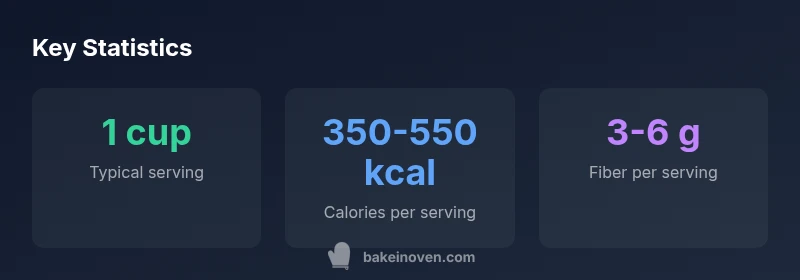
| Pasta (whole-grain) | Higher fiber, longer satiety | Aim for 1 cup dry per serving |
| Sauce base | Tomato-based lower fat vs cream-based higher fat | Tomato sauces favored |
| Cheese | Adds calcium but increases saturated fat | Use low-fat or reduce quantity |
| Vegetables | Adds micronutrients and fiber | Pile in a cup per serving |
Frequently Asked Questions
Is pasta bake healthier than lasagna?
Healthiness depends on ingredients and portions. Lasagna can be high in cheese and bechamel; pasta bake can be lighter if tomato-based and veggie-forward. Compare the overall calories, fat, and sodium per serving rather than assuming one dish is healthier by default.
Both can be healthy if built with vegetables and moderate cheese; compare calories and fat per serving.
Should I use whole-grain pasta?
Yes. Whole-grain pasta provides more fiber and can improve fullness and blood sugar responses, making it a solid base for a balanced bake.
Yes—whole-grain pasta boosts fiber and fullness.
How can I reduce sodium in a pasta bake?
Use low-sodium tomato sauce or homemade tomato base, rinse canned vegetables when relevant, reduce cheese quantity, and season with herbs instead of salt.
Opt for low-sodium sauces and herbs to cut sodium.
Can I make pasta bake dairy-free?
Absolutely. Use olive oil or tomato-based sauces, dairy-free cheese alternatives, and extra vegetables or beans to maintain creaminess and texture.
Yes—use dairy-free cheese and olive oil-based sauces.
How do I estimate calories per serving?
Total the calories from all ingredients, then divide by the number of servings. Use a nutrition calculator for greater accuracy and adjust portions accordingly.
Add up ingredients, split by servings, and adjust as needed.
“Pasta bake healthiness is driven by ingredient choices and portion control.”
Key Takeaways
- Plan portions ahead to avoid overeating
- Choose whole-grain pasta and veggies
- Balance cheese with protein
- Favor tomato-based sauces over cream
- Use parchment and bake to reduce added fats