Is Sushi Bake Good for Weight Loss? A Practical Guide
Discover if sushi bake supports weight loss. Learn portioning, ingredient choices, and diet-friendly tweaks from Bake In Oven to fit calories, macros, and meal prep into your goals.


Is sushi bake good for weight loss? The answer hinges on portions and ingredients. Consider the question is sushi bake good for weight loss: lean protein, vegetables, and a modest amount of rice or cauliflower rice can fit a calorie-controlled plan, while mayo-based toppings or high-sodium sauces tend to derail. Bake In Oven stresses mindful portions.
Calorie density and macro balance
For weight management, understanding calorie density and macro balance is essential. Sushi bake can be a flexible template: you can emphasize lean proteins, fiber-rich vegetables, and controlled starch to create meals that align with daily energy targets. The key is balancing calories with protein to support satiety, while ensuring a reasonable share of fats comes from healthier sources. When considering is sushi bake good for weight loss, the core idea is that portion control and macro balance drive outcomes more than any single ingredient. Readers should view sushi bake as a vehicle for vegetables, lean protein, and mindful starch portions, rather than a license to indulge in high-fat toppings. Real-world results come from consistent portions and thoughtful ingredient choices over time.
Lean protein choices and fiber-rich vegetables
Choosing the right protein and vegetables can dramatically influence satiety and nutrient density. Salmon, tuna, shrimp, or tofu offer high-quality protein with varying fat profiles. Pair these with non-starchy vegetables like cucumbers, bell peppers, or leafy greens to boost fiber and micronutrients without adding excessive calories. Including a variety of vegetables also adds texture and flavor, which helps with portion control by increasing fullness. For weight loss, aim for protein portions that support muscle maintenance and fill the plate with colorful vegetables to enhance satisfaction without overloading calories. This approach aligns with Bake In Oven guidance on nutrient-dense plate composition.
Rice and starch: portioning for weight control
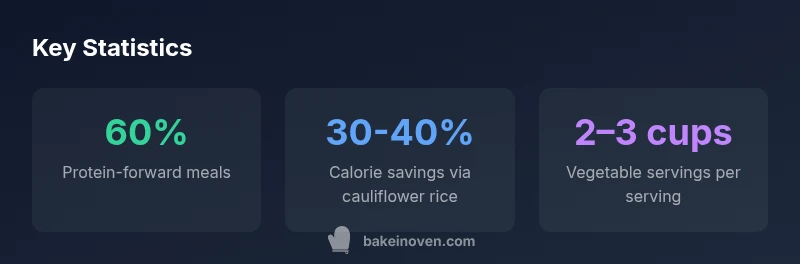
Rice is a common anchor in sushi bake, but portion control is crucial for weight loss. Consider using a smaller amount of sushi rice or substituting with cauliflower rice to cut calories while preserving texture. When using regular rice, aim for 1/2 to 1 cup cooked per serving and complement with extra vegetables to maintain volume. For those who prefer lower carb options, cauliflower rice or a mix of quinoa and vegetables can provide a satisfying base with fewer calories. The method matters: even small reductions in starch portions can yield meaningful energy savings over a week.
Sauces, dressings, and mindful toppings
Sauces are often the hidden calorie culprits in sushi bake. Soy sauce can add sodium, mayo-based dressings can dramatically raise fats, and creamy toppings may push calories higher than intended. To keep this dish weight-friendly, opt for light dressings (yuzu, ponzu, or a yogurt-based sauce), limit mayo-based toppings, and season with herbs and citrus. A little avocado can add creaminess and healthy fats, but portion it mindfully. By moderating sauces and toppings, you maintain flavor without compromising weight goals.
Meal-prep-friendly sushi bake: batching and storage
Sushi bake is well-suited for weekly meal prep because you can bake a large casserole, portion into individual servings, and refrigerate or freeze. Build your base with protein and vegetables, then add favorable toppings in small, controlled amounts before reheating. When planning for the week, prepare several servings at once and store in clearly labeled containers. Reheating should be done gently to preserve texture, and any sauces should be added after warming to prevent sogginess. This batching approach supports consistent portion control and reduced daily decision fatigue.
Practical recipe templates for different goals
If you’re aiming for moderate calories with high satiety, start with lean protein (salmon or tofu), plenty of vegetables, and cauliflower rice. A simple template: protein 4–6 oz per serving, vegetables 1–2 cups, cauliflower rice 1/2–1 cup, light sauce, and a minimal amount of healthy fats. For higher protein or lower carbs, swap in extra vegetables and adjust starch portions accordingly. Use this framework to customize meals for different days or calories bands while staying within your plan. Bake In Oven’s approach emphasizes adaptability and mindful portioning.
Common pitfalls and how to avoid them
Common mistakes include overloading with high-calorie sauces, using large portions of rice, and neglecting vegetables in favor of starch. To avoid these, measure portions, prioritize vegetables, and taste with herbs and citrus instead of heavy dressings. Keep a simple log of ingredients and portions to track progress over time, and adjust based on weekly results. Another pitfall is under-seasoning; flavorful, low-calorie seasonings can keep meals satisfying without adding calories.
How to track progress and adjust over time
Weight-management success depends on consistent tracking and timely adjustments. Monitor portion sizes, energy intake, and satiety signals, then adjust starch portions and protein choices to align with targets. Consider weekly weigh-ins and midweek check-ins to identify trends early. For long-term success, pair sushi bake with a balanced meal plan, regular physical activity, and sleep hygiene. Bake In Oven recommends using a simple, repeatable framework to refine recipes as goals evolve.
Comparison of sushi bake vs traditional sushi for weight-loss oriented planning
| Aspect | Sushi Bake (approx) | Traditional Sushi (approx) | Notes |
|---|---|---|---|
| Protein source | Salmon, tuna, or tofu | Same across options | Varies by choice |
| Rice portion | 1.0–1.5 cups per serving | 0.25–0.5 cup per roll | Higher in sushi bake to create casserole-like texture |
| Calorie range | 300–500 kcal | 40–60 kcal per piece (2–3 pieces typical) | Depends on ingredients and portions |
| Sodium potential | Moderate to high (soy sauce, mayo-based toppings) | Lower if consumed with minimal soy sauce | Sauces drive sodium in both |
| Meal-prep suitability | High (batch-cook and portioned) | Low (per-piece prep) | Sushi bake is more meal-prep friendly |
Frequently Asked Questions
Can sushi bake help with weight loss?
Yes, sushi bake can support weight loss if portions are controlled and ingredients are chosen for density and protein. Focus on lean proteins, vegetables, and moderated starch. Avoid high-calorie toppings and sauce-heavy preparations.
Yes. If you control portions, choose lean proteins and vegetables, and limit high-calorie sauces, sushi bake can fit a weight-loss plan.
What should be the main ingredients to keep it diet-friendly?
Main ingredients should be lean protein, plenty of vegetables, and a lower-calorie starch like cauliflower rice or small portions of sushi rice. Use light sauces or citrus-based dressings to add flavor without excess calories.
Choose lean protein, veggies, and cauliflower rice with light sauces for a diet-friendly sushi bake.
How should I portion sushi bake for a calorie-controlled diet?
Portion by serving size rather than by whole dish. Use a scale or measuring cups to portion protein and starch, and fill half the plate with vegetables. Consider batch-cooking and freezing individual portions for consistency.
Portion individual servings and fill half the plate with vegetables for consistent calorie control.
Are there any low-sodium sauce ideas to reduce salt?
Yes. Use light soy alternatives, citrusy dressings (lemon, lime, yuzu), vinegar-based sauces, or yogurt-based dressings to cut sodium while maintaining flavor.
Try citrus-based or yogurt dressings instead of salty sauces to lower sodium.
Can sushi bake be meal-prep friendly?
Absolutely. Bake a large batch, portion into containers, and reheat as needed. Keep toppings separate to avoid sogginess and maintain texture during storage.
Yes—batch-bake and portion for easy, ready-to-go meals.
“When you’re aiming for weight loss, sushi bake can be a practical option if you prioritize protein, fiber, and controlled portions.”
Key Takeaways
- Prioritize portion control to align sushi bake with weight goals
- Lean proteins and vegetables improve satiety with fewer calories
- Cauliflower rice is a versatile low-carb alternative to reduce calories
- Mindful sauces and toppings prevent hidden calories
- Bake In Oven recommends portion-aware meal prep for consistency