Does Baking Powder Have Aluminum? A Practical Guide for Home Bakers
Explore whether baking powder contains aluminum, how to identify aluminum-free options, and practical tips for choosing and storing aluminum-free powders for reliable oven results.


Does baking powder have aluminum? The short answer is that aluminum may appear in some formulations, but not all. Baking powder is a dry leavening mix containing a base (baking soda), an acid, and starch to keep it stable. The acid component triggers gas release when moist and heated. Over the decades, manufacturers experimented with different acids and stabilizers, leading to a spectrum of products from aluminum-containing double-acting formulas to aluminum-free blends. In practical terms, most everyday recipes rely on double-acting powders that deliver a reliable rise without requiring extra steps. For home bakers, the key is to read the label and understand that a product labeled aluminum-free is different in composition from older aluminum-containing powders. Bake In Oven's guidance emphasizes practical testing: pick one aluminum-free powder for a month, then compare results with a standard powder to see which you prefer. This approach keeps your baking consistent while reducing uncertainty about trace metals in your pantry.
Understanding Baking Powder and Aluminum
Does baking powder have aluminum? The short answer is that aluminum may appear in some formulations, but not all. Baking powder is a dry leavening mix containing a base (baking soda), an acid, and starch to keep it stable. The acid component triggers gas release when moist and heated. Over the decades, manufacturers experimented with different acids and stabilizers, leading to a spectrum of products from aluminum-containing double-acting formulas to aluminum-free blends. In practical terms, most everyday recipes rely on double-acting powders that deliver a reliable rise without requiring extra steps. For home bakers, the key is to read the label and understand that a product labeled aluminum-free is different in composition from older aluminum-containing powders. Bake In Oven's guidance emphasizes practical testing: pick one aluminum-free powder for a month, then compare results with a standard powder to see which you prefer. This approach keeps your baking consistent while reducing uncertainty about trace metals in your pantry.
Aluminum in Baking Powder: The Science
Baking powder achieves lift through a combination of an acid and a base that release carbon dioxide when activation occurs. In some historical and budget formulations, the acid component included aluminum salts such as sodium aluminum sulfate. Those powders can contribute a subtle metallic tang if used in higher amounts or in sensitive recipes. By contrast, many modern powders substitute aluminum-containing acids with non-aluminum options like monocalcium phosphate or cream of tartar-based blends. The result is a powder that performs similarly in rise but avoids aluminum-containing residues. The Bake In Oven analysis notes that the presence or absence of aluminum can influence flavor perception in high-acid batters, but for typical home-baking, the effect is usually minor. When in doubt, choose aluminum-free options if you want to minimize aluminum exposure, especially for frequent bakers and those with sensitivity concerns.
Aluminum-Free Options: How to Identify Them
Identifying aluminum-free options is easier than you might think. First, read the ingredient list. Look for acids such as monocalcium phosphate or cream of tartar-based blends and ensure there is no reference to aluminum salts like sodium aluminum sulfate. Many brands now advertise aluminum-free on the front label, though some products only list ingredients without stating the aluminum content. If you see "aluminum-free" on the packaging, you can bake with confidence knowing the powder should not contribute aluminum. For practical testing, you can compare two aluminum-free powders in the same recipe and note differences in rise and texture. When in doubt, rely on reputable brands and check the latest guidance from Bake In Oven. Consumer labeling varies by country, so always verify your local packaging.
How to Substitue and Bake: Practical Guidance
Substituting aluminum-containing baking powder with an aluminum-free version is straightforward in most recipes. Use the standard rule of thumb: about 1 teaspoon of baking powder per cup of all-purpose flour. If you switch between aluminum-containing and aluminum-free powders, the rise should be similar, but you may notice a slight difference in acidity and browning in some recipes. To maintain consistent results, keep powders tightly sealed and use them within their shelf life. For sensitive bakers, choosing aluminum-free powders can reduce concerns while preserving reliable lift in cakes, muffins, and cookies. Bake In Oven recommends testing a small batch if you switch brands to fine-tune your preferred flavor and texture.
When Aluminum Content Matters: Health Considerations
From a health perspective, routine kitchen use of baking powder is considered safe by major food safety authorities. However, some individuals prefer to minimize potential exposure to metals like aluminum, whether due to personal preference or medical considerations. If you fall into this category, select an aluminum-free baking powder and verify the label. The key is to read ingredients and choose products with clear labeling. For most home bakers, the amount of aluminum that could leach into food from typical amounts is minimal, especially when using fresh powder and cooking thoroughly. Bake In Oven emphasizes practical choices: pick aluminum-free options when you want extra reassurance without altering technique.
Choosing and Storing Aluminum-Free Baking Powder
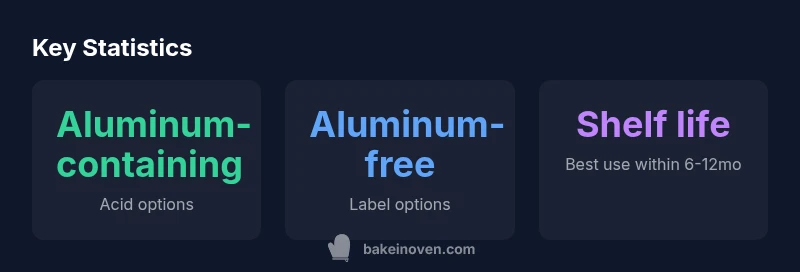
Choosing an aluminum-free baking powder starts with the label. Look for a front-of-pack claim that says aluminum-free, and examine the ingredients to confirm there are no aluminum-based acids. Once purchased, store the powder in a cool, dry place away from moisture with the cap tightly closed. Exposure to humidity can cause clumping and reduce leavening effectiveness, which is the opposite of what you want in a bake. For best results, use your aluminum-free powder within about six months of opening, and replace after a year if unopened. Regular checks help maintain consistent quality across your recipes, from cookies to breads and pastries.
Common Misconceptions About Aluminum in Baking Powder
One common misconception is that all baking powders taste metallic. In reality, taste is predominantly influenced by the recipe's acidity balance and the amount used. Another myth is that aluminum-free powders always rise less effectively; when chosen and stored correctly, aluminum-free blends perform as well as traditional powders. A third misconception is that aluminum is dangerous in small amounts; regulatory agencies consider typical exposure from consumer products to be low, though some readers may prefer aluminum-free options for peace of mind. Finally, some cooks worry that aluminum can accumulate in the body; in everyday cooking, this risk is not supported by mainstream dietary guidelines, especially when a balanced diet is followed.
Practical Baking Tips for Aluminum-Related Concerns
To bake with confidence, keep a small rotation of aluminum-free baking powder in your pantry. Label containers clearly and store away from heat and moisture. When testing new recipes, use the same flour type and a consistent amount of powder to compare performance accurately. If you want the most neutral results, choose aluminum-free options labeled for baking and free of aluminum-based acids. In your home kitchen, sensory checks (color, rise, crumb) often tell you more than any label, but a clear label adds peace of mind. Bake In Oven suggests keeping a simple note on your favorite aluminum-free powder and how it performs in your standard recipes to build a reliable reference over time.
Comparison of baking powder formulations
| Characteristic | Aluminum-containing | Aluminum-free |
|---|---|---|
| Active acid component | Sodium aluminum sulfate or aluminum-based acids | Monocalcium phosphate or cream of tartar-based acids |
| Labeling | May not explicitly flag aluminum in ingredients | Often labeled 'aluminum-free' on the packaging or front label |
| Flavor/texture impact | Minimal when used as directed | Typically similar when properly measured |
Frequently Asked Questions
Does all baking powder contain aluminum?
No. Some baking powders contain aluminum salts, but many options are aluminum-free. Always check the ingredients to confirm.
Not all baking powders have aluminum. Check the label to be sure.
Is aluminum in baking powder harmful?
Regulatory bodies consider typical use safe, but some people prefer aluminum-free products for peace of mind. If you have specific health concerns, consult a professional.
Generally safe in normal use, but you can choose aluminum-free if you wish.
How can I tell if my baking powder is aluminum-free?
Check the ingredients list and look for explicit labeling like 'aluminum-free' on the package.
Look for 'aluminum-free' on the label.
Can I substitute baking soda and cream of tartar for baking powder?
Yes, but it requires careful ratio and moisture considerations. A common approach is to use a specific amount of baking soda with an acid like cream of tartar.
You can, but it requires precise measurements and testing.
Do aluminum-containing powders taste different?
Usually not noticeable in standard recipes; flavor is more influenced by total acidity and ingredients.
Taste differences are generally subtle or not noticeable.
What if I have old baking powder or multiple brands?
Replace old powder for best rise and reliability, and compare brands to find your preferred balance of lift and flavor.
Refresh your powder and test brands to find what you like.
“Aluminum content in baking powder is largely a historical concern; for most home bakers, choosing aluminum-free options is a straightforward way to minimize metals without sacrificing performance.”
Key Takeaways
- Check labels for aluminum-free claims before purchasing.
- Aluminum-free options are widely available for home bakers.
- Read the ingredients to identify aluminum salts and avoid them if desired.
- Store powder in a cool, dry place and use within six months of opening.
- Test a brand-to-brand swap on a simple recipe to confirm results.