Bake a Sweet Potato in the Microwave: Quick Guide
Learn to bake a sweet potato in the microwave for a fast, tender result. This guide covers prep, timing, toppings, safety, and troubleshooting for perfect results every time.


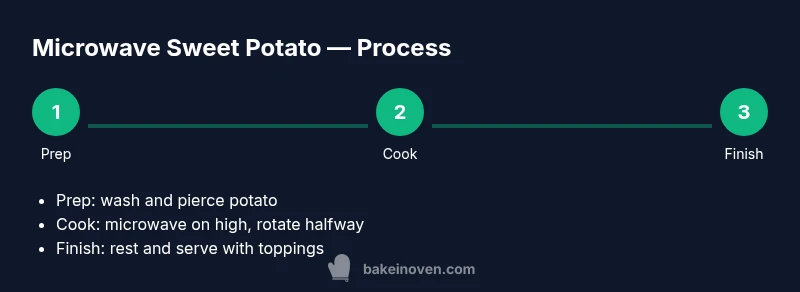
Yes — you can bake a sweet potato in the microwave for a fast, tender result. Start with a scrubbed potato, pierce several times, and place on a microwave-safe plate. Cook on high in 4–8 minutes depending on size and wattage, turning halfway. Let rest 2–3 minutes before serving for even texture.
Why bake a sweet potato in the microwave
For many home cooks, a baked sweet potato means turning on a hot oven and waiting for an hour. While that method yields a deeply roasted flavor, the microwave offers a different kind of magic: speed without sacrificing tenderness. If you want a warm, comforting side or a quick protein-friendly topping base, learning how to bake a sweet potato in the microwave expands your weeknight options. Use this method to keep meals on track when time is tight, or when you’re cooking for one. The general idea is simple: a clean potato, properly vented, heated quickly, and allowed to finish steaming so the interior becomes creamy while the skin remains pliable.
That balance—soft interior, manageable skin—comes from controlling heat, moisture, and resting time. Most microwaves deliver their best results with medium to high power and even rotation. The technique works best with medium-to-small potatoes that are roughly the same size; you get a uniform texture without needing to babysit the pan for an hour. The Bake In Oven team often recommends starting with a single potato to dial in your microwave’s wattage before scaling up to more. With practice, you’ll be able to produce a reliable, weeknight-friendly bake in minutes rather than hours.
Microwave basics for baking sweet potatoes
Understanding microwave basics helps you predict results rather than chase them. Most household microwaves fall into a wattage range from about 600 to 1200 watts. The higher the wattage, the less time you’ll need, but the exact minutes depend on the potato’s size and your oven’s efficiency. For a medium potato, plan on high power for around 6–8 minutes; for a small potato, 4–6 minutes may be enough; for a larger one, you may need 9–12 minutes. To keep cooking even, rotate the potato halfway through and give it a brief rest afterward to distribute moisture and heat. If you don’t have a turntable, reposition the potato halfway manually halfway through the cycle.
A microwave-safe plate is essential; avoid metal and wrapping that traps steam in a way you don’t want. If you prefer extra protection against moisture loss, place the potato on a damp paper towel or wrap it loosely in parchment. A light brush of oil and a pinch of salt can help the skin crisp slightly, but note that true crispness requires finishing in a high-heat oven or toaster oven. For best results, choose a potato with a smooth, taut skin and a uniform shape so heat travels evenly from center to rim.
Selecting the right sweet potatoes
Size, shape, and texture matter when you bake in the microwave. Look for potatoes that feel firm to the touch with unbroken skins and no dark bruises. If you’re cooking for more than one person, pick three medium potatoes that are roughly the same diameter so they cook to the same tenderness. Avoid very large, irregularly shaped potatoes that may have a dense core. The skin color should be even, and there should be little to no soft spots. If you have two potatoes, choose ones that are similar in weight so their interior texture aligns.
Consider the potato’s weight as a practical guide: smaller potatoes cook quickly and evenly; larger ones will still soften but can have a wetter interior if underpowered. If you buy a batch, store them in a cool, dark place and use within a week. Washing just before microwaving is fine, but you can also wash in advance and pat dry. The goal is a clean exterior that heats evenly, not a cracked or waterlogged surface.
Prep steps before microwaving
Prep begins with a clean potato. Rinse under cool water, scrub the skin with a brush to remove dirt, and pat dry with a towel. A dry surface helps heat penetrate the potato and reduces steam buildup that makes the skin mushy. Next, pierce the potato in several places with a fork or skewer; this creates vent channels for steam and prevents the potato from bursting as it heats. Some cooks like to rub a little oil onto the skin and sprinkle with salt, which may improve flavor and texture, but this step is optional.
Place the potato on a microwave-safe plate. If you’re worried about moisture loss, place a damp paper towel beneath it or wrap the potato loosely in parchment to trap a touch of humidity. If you’re microwaving more than one potato, arrange them in a single layer and give each potato space to heat; avoid stacking. Finally, set the microwave to high power and prepare for the core cooking phase described in the next section.
The core microwave method: timing and power levels
There isn’t a single universal timer for microwave-baked potatoes; the exact time depends on size, thickness, and wattage. As a practical baseline, small potatoes (about 4–6 ounces) often need around 4–6 minutes on high; medium potatoes (6–8 ounces) usually require 6–8 minutes; large potatoes (over 8 ounces) may need 8–12 minutes. The recommended practice is to start with the lower end and add 1–2 minutes in 30–60 second increments, checking tenderness after each addition.
Halfway through cooking, rotate the potato 180 degrees to promote even heat distribution. When the interior feels tender when pierced with a fork and the center yields to gentle pressure, it’s typically done. Let the potato rest for 2–3 minutes; during this brief cooldown, heat redistributes evenly, finishing up the cooking process. If the potato seems underdone, continue in 1-minute increments, testing after each minute. For very tight schedules, you can also split the potato into two shorter microwaves, but the final texture will be best with one continuous session.
Flavors, toppings, and finishing touches
A plain microwave-baked potato is a blank canvas. For a classic butter-and-salt variation, slice open the potato lengthwise, mash the interior with a pat of butter, and sprinkle with flaky salt and a dab of pepper. Cinnamon and a drizzle of maple syrup or brown sugar create a comforting sweet contrast perfect for breakfast or dessert-style bowls. For a savory version, a dollop of sour cream, grated cheddar, chives, and a pinch of smoked paprika makes a cozy side dish.
If you want extra richness, finish with a light drizzle of olive oil or a pat of butter and a squeeze of lemon or lime juice to brighten the flavor. You can also experiment with toppings like cotija, yogurt, or a scoop of black beans and salsa for a quick vegetarian topping. The trick is to balance moisture and fat so the interior remains fluffy rather than gummy, and to keep toppings within a few minutes of finishing so everything tastes fresh.
Troubleshooting and common issues
Even with careful technique, you may encounter a few snags. If the interior seems dry, the potato may have heated too long and lost moisture; cover with a damp towel and reheat in short intervals or wrap it in a fresh parchment sheet and steam briefly. If the skin is shriveled or tough, you likely started with a very dense potato or skipped resting time; let it rest longer next time and consider finishing with a quick 20–30 second oven blast for texture. Uneven cooking usually results from mismatched potato sizes or overcrowding; rotate and give space, or microwave in a second batch after allowing the oven to reset.
Also, if your microwave runs hot on certain cycles, you may need to adjust the cooking time down or up by 1–2 minutes and test again. If you’re cooking multiple potatoes, consider cooking them in separate cycles rather than all at once to avoid crowding heat and moisture. Finally, avoid using plastic wrap directly against the hot potato, as it can trap steam and lead to soggy skin; use parchment or a loose cover instead.
Safety, cleanup, and storage
Always handle a hot plate with oven mitts and allow the potato to rest before cutting. The steam inside can be hotter than the surface, and you don’t want to burn yourself or your counter. After serving, any leftovers should be cooled briefly and stored in an airtight container in the refrigerator for up to 3–4 days. Reheat gently in the microwave, in 1-minute increments, until warmed through. Clean the plate and any utensils promptly to prevent starch from hardening or sticking, and wipe down the microwave interior to remove any stray moisture.
If you frequently use microwave baking as part of your routine, consider labeling extra potatoes and pre-washing a few so you can simply pierce and cook when you’re in a rush. This keeps your workflow efficient and minimizes the time from fridge to table.
Tools & Materials
- Microwave-safe plate(Flat plate designed for microwaves; avoid metal.)
- Fork or skewer for venting(Pierce potato in multiple spots to vent steam.)
- Kitchen towel or paper towels(Pat dry; optional underlay to trap moisture.)
- Olive oil or butter (optional)(Lightly coat for richer skin if desired.)
- Salt and seasonings (optional)(Add to taste; enhances flavor.)
- Microwave-safe knife or tongs (optional)(For handling hot potato.)
Steps
Estimated time: 12-20 minutes total
- 1
Prepare the potato
Rinse the sweet potato under cool water, scrub the skin, and pat dry. Inspect for bruises or soft spots and trim if needed. This initial prep helps heat penetrate evenly and reduces the risk of moisture pockets.
Tip: Dry skin ensures more even heat transfer and a better texture. - 2
Pierce the potato
Use a fork to poke 6–8 holes around the potato. This creates vent channels for steam, preventing a build-up that could cause bursting during heating.
Tip: Don’t skip venting—steam buildup is the most common microwave mishap. - 3
Arrange on plate
Place the potato on a microwave-safe plate. If you want a touch more moisture, set a damp towel underneath or wrap loosely with parchment.
Tip: Ensure the potato sits flat for even contact with heat. - 4
Cook on high
Cook the potato on high power. Start with 4–6 minutes for small-to-medium potatoes, then add 1–2 minutes if needed, rotating halfway through.
Tip: Check tenderness after each increment to avoid overcooking. - 5
Check for tenderness and rest
Pierce the center with a fork; it should slide in easily and feel soft. Let the potato rest 2–3 minutes to finish cooking through residual heat.
Tip: Resting helps moisture distribute for a fluffy interior. - 6
Finish and serve
Slice open lengthwise, fluff with a fork, and add toppings as desired. Serve immediately for best texture and flavor.
Tip: Cut open first to release steam and prevent steam burn.
Frequently Asked Questions
Can I microwave multiple sweet potatoes at once?
Yes, you can microwave more than one, but expect longer cooking times. Arrange in a single layer with space between them and rotate if possible; check tenderness after additional minutes.
Yes, you can cook several at once—just space them evenly and monitor tenderness as times increase.
Should I wrap the potato in plastic wrap or parchment?
Avoid plastic wrap; use parchment or place on a plate with a damp towel to trap some moisture and help even heating.
Don't wrap in plastic; parchment or a damp towel works better.
How can I tell when it's done?
Check for tender interior by piercing with a fork. The skin should give slightly and the inside should be soft and fluffy.
Pierce with a fork; it should slide in easily and feel soft.
Can I reuse microwave leftovers safely?
Yes, store leftovers in an airtight container and reheat until steaming hot; avoid overheating to prevent dryness.
Store in the fridge and reheat until steaming hot.
What if my microwave has low wattage?
Expect longer cook times. Start with 4–6 minutes and add 1–2 minutes at a time, checking tenderness often.
Low wattage means longer cooking; add time in small increments.
Watch Video
Key Takeaways
- Choose potatoes of similar size for even cooking.
- Pierce vents and rest before serving.
- Rotate halfway and check tenderness.
- Add toppings to customize flavor.
- Use microwave-safe materials and caution with heat.