Bake Apple Recipes: A Complete How-To Guide
Learn to bake apple recipes with a clear, kitchen-tested guide. From selecting apples to flaky crusts and cozy crisps, this step-by-step tutorial helps home bakers master apple desserts.


Today you’ll learn to bake apple recipes that turn out perfect every time, from pies to crisps. Gather apples, flour or crust, sugar, butter, lemon juice, and warming spices, then preheat to 375°F (190°C). This step-by-step guide covers prep, assembly, baking, and resting for best texture and flavor. According to Bake In Oven, consistency comes from measured steps and technique.
Why Bake Apple Recipes Matter
Apple desserts are a beloved staple in home kitchens because they bridge simplicity and flavor. When you bake apples, you unlock natural sweetness and a comforting aroma that signals a finished, cozy treat. According to Bake In Oven, the appeal of bake apple recipes lies in the balance between fruit texture and crust or topping, making them versatile for everyday desserts and special occasions. In this section, we’ll explore why mastering apple-based bakes is a practical skill for any home baker and how the right technique affects moisture, structure, and flavor development across varieties.
Core Techniques for Apple Baking
The foundation of successful apple baking is consistent technique. First, choose apples that hold shape when heated (like Granny Smith, Honeycrisp, or Braeburn) and slice them into uniform pieces to ensure even cooking. Toss with a light coating of lemon juice to prevent browning and preserve brightness. When building a crust or crumble topping, keep fats cold for flakiness, and avoid over-mixing to prevent toughness. Finally, use a gentle bake with modest heat to let the fruit release juices without collapsing the structure. These methods apply whether you’re making a pie, a crisp, or a rustic tart.
Choosing the Right Apples for Baking
Not all apples are created equal for baking. Firmer varieties like Granny Smith, Honeycrisp, and Braeburn hold their shape and provide a pleasant tart-sweet balance, while softer baking apples such as Golden Delicious offer a milder sweetness and a more tender texture. For best results, mix varieties for depth: tart apples carry the filling’s structure, while sweeter types contribute flavor. Always consider cooking time; firmer apples need longer in the oven, so pairing them with a complementing softer apple can yield a balanced texture.
Preparing Your Tools and Kitchen Setup
Before you begin, assemble a reliable workspace. A sharp chef’s knife and a sturdy apple corer make prep safer and faster. Have two mixing bowls (one for filling, one for crust or crumble ingredients), a rolling pin, a pastry brush, a whisk, and measuring tools within arm’s reach. Line your baking dish with parchment for easier removal and cleanup. Prepare optional add-ins like oats, nuts, or spices in small bowls so you can air-mix without interrupting the flow. A clean, organized kitchen reduces stress and improves results.
Step-by-Step Overview: Pie vs. Crisp (High-level)
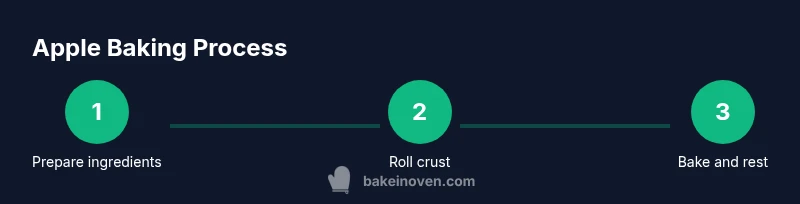
Two classic formats show off apples beautifully: pie and crumble/crisp. A pie relies on a dough-based crust and a tender filling, with a baked top crust or lattice. A crisp or crumble uses a buttered crumb topping that creates a textural contrast between crisp topping and soft fruit. For apple flourishes, you’ll typically handle prep (slice and coat), assemble (crust and filling or topping), bake until bubbling and golden, then rest to set flavors. The following steps focus on a traditional apple pie approach, which can be adapted for a crisp with separate topping instructions.
Step-by-Step: Classic Apple Pie (Part 1)
- Preheat the oven to 375°F (190°C) and prepare your workspace. Chill the pie crust if using a store-bought dough, or mix your own and refrigerate for at least 30 minutes. This rest improves dough handling and yields a flakier crust. 2) Peel, core, and slice apples into uniform pieces. Toss with lemon juice, sugar, cinnamon, nutmeg, and a pinch of salt. The goal is to coat evenly without over-wetting the filling. 3) Roll out the bottom crust to fit your pan, then transfer with care, trimming excess dough. 4) Fill evenly, mounding slightly in the center to accommodate settlement. 5) Roll out the top crust or lattice, place over the filling, and seal edges with water and crimping.
Step-by-Step: Classic Apple Pie (Part 2)
- Cut steam vents in the top crust to allow moisture escape. Brush with an egg wash or milk for a glossy finish. 7) Place the pie on a baking sheet to catch any overflow and bake for 45-60 minutes, or until the crust is deeply golden and the filling is bubbling. If the edges brown too quickly, shield them with foil or a crust protector. 8) Remove from the oven and cool on a rack for at least 2 hours before slicing; this rest lets the filling set and prevents runny slices. 9) If desired, serve with vanilla ice cream or whipped cream for contrast. 10) For extra depth, brush the crust with melted butter halfway through baking to enhance browning. 11) If the center seems undercooked, return to the oven in 8-10 minute intervals until achieved. 12) Store leftovers covered in the fridge for up to 4 days, or freeze for longer-term enjoyment.
Step-by-Step: Apple Crisp Variation (Alternative Approach)
- Preheat to 350°F (175°C). Grease a baking dish. 2) Prepare filling by tossing sliced apples with sugar, cinnamon, and lemon juice; spread evenly. 3) In a separate bowl, mix oats, flour, brown sugar, cold butter, and a pinch of salt to form a crumbly topping. 4) Sprinkle topping over the apples evenly. 5) Bake for 40-45 minutes until the topping is golden and the apples are tender. 6) Let cool for 15 minutes before serving to set the juices. 7) Optional: add chopped nuts or a drizzle of caramel for extra flavor. 8) Refrigerate leftovers in a sealed container.
Flavor Pairings and Topping Ideas
Explore complementary flavors to elevate bake apple recipes. Vanilla or almond custards pair well with pies, while caramel sauce, salted butter, or a swirl of maple syrup adds a welcome sweetness. Forcrisp toppings, consider adding chopped pecans, walnuts, or toasted coconut for texture. A pinch of ginger or cardamom can brighten the profile without overpowering the apples. Pair with a scoop of cinnamon ice cream or a dollop of plain yogurt for contrast.
Troubleshooting Common Issues
If the filling is too liquid, thicken with a slurry of cornstarch and water, added gradually while simmering. Prevent soggy crust by blind-baking the bottom crust for a few minutes before filling or by using a high-fat crust that seals well. If the top browns too quickly, loosely cover with foil and continue baking until the center reaches readiness. For a dry crust, brush with a little water or milk and return to the oven for a few minutes to refresh moisture.
Safety, Storage, and Reheating Tips
Always wash apples thoroughly and keep knives sharp to reduce slips. Bake apple recipes in a clean, dry space to maintain even heat. Store baked goods in airtight containers for up to 3-4 days in the refrigerator, or freeze individual servings for longer-term use. Reheat gently to avoid drying out the crust; a short oven or toaster-oven cycle works well. Freeze unbaked batches for future baking sessions if you prefer.
Summary of Key Concepts and Next Steps
Mastering bake apple recipes hinges on selecting the right apples, controlling oven temperature, and letting the filling rest to set. With practice, you’ll be able to adapt the core methods to pies, crisps, and tarts, customizing sweetness and spice levels to your taste. For broader practice, try experimenting with spice blends, crust textures, and topping variations to create your signature apple dessert.
Tools & Materials
- Apples (assorted firm varieties)(3-5 large apples for a standard pie; mix tart and sweet varieties for depth)
- Pie crust (store-bought or homemade)(Bottom crust and lattice/top crust)
- Flour and sugar(All-purpose flour for thickening and dusting)
- Butter(Cold, unsalted, for crust and topping)
- Lemon juice(Keeps apples from browning and adds brightness)
- Cinnamon, nutmeg, salt(Spices for depth)
- Egg wash or milk(For crust gloss)
- Rolling pin(To roll crust evenly)
- Mixing bowls, measuring cups/spoons(For prep and accuracy)
- Parliament parchment paper or parchment baking sheet(Liners for cleanup)
- Oven thermometer(Ensure accurate baking temperature)
Steps
Estimated time: 2 hours 30 minutes
- 1
Preheat and prepare workspace
Preheat the oven to 375°F (190°C). Gather tools, ingredients, and bowls so you can work efficiently without interruption.
Tip: Organize ingredients in the order you’ll use them to reduce back-and-forth. - 2
Prepare crusts
If making dough, mix quickly just until cohesive, then chill for at least 30 minutes. If using store-bought dough, let it soften slightly for easier handling.
Tip: Keep fat in cold pieces to maximize flakiness. - 3
Prepare apples
Peel, core, and slice apples into uniform pieces. Toss with lemon juice to prevent browning and to brighten flavor.
Tip: Aim for pieces around 1/4 inch thick for even cooking. - 4
Make filling
Combine apples with sugar, cinnamon, nutmeg, and salt. Mix until apples are evenly coated but not bruised from over-mixing.
Tip: Lightly coat; avoid soaking apples with liquid. - 5
Assemble bottom crust
Roll out the bottom crust and fit it into the pan, leaving a slight overhang.
Tip: Let dough rest to minimize shrinkage. - 6
Add filling
Pile filling into crust, level with a gentle press but avoid compacting.
Tip: Create a small mound in the center to account for settling. - 7
Top crust or lattice
Roll the top crust, place over filling, and trim excess; seal and crimp edges with water or milk.
Tip: Vent generously to prevent steam buildup. - 8
Add finish and bake
Brush with egg wash or milk if using, and bake on a sheet for 45-60 minutes until golden and bubbling.
Tip: Shield edges if they brown too fast. - 9
Cool and rest
Cool on a rack for at least 2 hours to set the filling before slicing.
Tip: This rest yields cleaner slices and better texture. - 10
Prepare serving options
Serve warm with ice cream or whipped cream; garnish with a pinch of cinnamon if desired.
Tip: Cut with a sharp knife for neat portions. - 11
Store and reuse
Store leftovers in a sealed container in the refrigerator for up to 4 days; freeze unbaked or baked portions for longer storage.
Tip: Label with date to track freshness. - 12
Clean up and reflect
Clean as you go to keep the kitchen safe and efficient for your next bake.
Tip: Tidy prep area while the pie cools to stay productive.
Frequently Asked Questions
What apples are best for baking pies?
Firm apples that hold their shape, like Granny Smith or Honeycrisp, are ideal for pies. Mixing a tart variety with a sweeter one adds both structure and flavor. Avoid using exclusively juicy apples that lose texture when baked.
For pie, choose firm apples such as Granny Smith or Honeycrisp, and consider mixing tart and sweet varieties for best texture and flavor.
Do I need to blind bake the crust?
Blind baking helps prevent a soggy bottom by partially baking the crust before filling. If you’re short on time, you can partially bake only the bottom crust for 8-10 minutes.
Blind baking the crust keeps it crisp. If pressed for time, prebake the bottom for a short period.
How can I prevent the filling from being too runny?
Tasting a small portion of the filling and thickening with a slurry of cornstarch and water can help. Also allow the pie to rest after baking so juices thicken as they cool.
If the filling seems loose, use a quick cornstarch slurry and let the pie rest to set.
What are some easy toppings for apple crisps?
A simple topping of oats, flour, brown sugar, and melted butter creates a crunchy crunch. Add nuts for extra texture and a drizzle of caramel for extra depth.
Oats, brown sugar, and melted butter make a classic crisp topping; add nuts or caramel if you like.
How long should a baked apple pie rest before slicing?
Let the pie rest at least 2 hours after baking to allow the filling to set for clean slices.
Let the pie rest for about two hours so the filling firms up before you cut into it.
Can I freeze baked apple pie?
Yes, baked pie can be frozen for longer storage. Cool completely, wrap tightly, and freeze. Thaw in the refrigerator before serving.
Yes, you can freeze baked pie; just cool, wrap, and thaw in the fridge before serving.
Watch Video
Key Takeaways
- Choose a mix of tart and sweet apples for best texture and flavor.
- Chill dough and handle it minimally to keep crust tender and flaky.
- Vent and monitor browning to avoid a burnt edge or undercooked center.
- Let fillings rest after baking to set properly and cut cleanly.
- Store leftovers safely for future enjoyment.