Bake Leg of Lamb: A Complete Step-by-Step Roasting Guide
Master baking leg of lamb with a reliable roasting method for juicy meat and a golden crust. This guide covers trimming, seasoning, temperatures, resting, and carving for bone-in or boneless options.


Ready to bake leg of lamb to perfection? This guide explains trimming, seasoning, and roasting for a juicy center and browned crust. Learn target temperatures, resting times, and practical tips to avoid overcooking or underseasoning. This approachable method works for bone-in or boneless legs alike. This makes it easy to achieve reliable, delicious results on any weeknight or special occasion.
Getting started with baking leg of lamb
Baking leg of lamb is a confident, crowd-pleasing centerpiece when you start with solid preparation. If you want to bake leg of lamb with a juicy center and a deeply browned crust, your first choices matter: bone-in vs boneless, trimming, and a plan for resting. According to Bake In Oven, success begins several steps before the oven warms: pick a well-marbled leg, bring it to room temperature, and organize your seasonings. Remove the meat from the fridge 30-60 minutes before cooking, pat it dry, and trim visible fat so the surface browns evenly. Decide early whether bone-in or boneless is better for your roasting vessel and carving style; bone-in often yields extra moisture and flavor, while boneless roasts are easier to slice. With this groundwork, you’ll control heat, maillard reactions, and juiciness without guesswork.
Selecting the cut: bone-in vs boneless
Bone-in leg of lamb adds flavor from the marrow and helps retain moisture during roasting, while boneless legs roast more evenly and are simpler to carve. If you choose bone-in, expect slightly longer roasting times and plan for a longer resting period so the juices redistribute through the meat. Boneless legs cook a bit faster and are convenient for trimming into uniform portions. Regardless of the cut, look for a bright, clean color, firm texture, and a modest layer of fat that melts into the roast as it cooks. For beginners, bone-in can be forgiving once you maintain consistent heat; boneless is excellent when you want clean slices with minimal carving.
Trimming and prepping for roasting
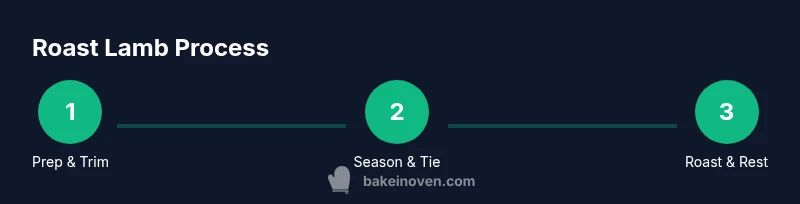
Trimming excess fat helps prevent greasy surfaces and promotes even browning. Use a sharp knife to remove thick fat deposits, leaving a thin fat cap to help baste the meat as it roasts. Tie the leg to keep its shape and ensure even cooking, especially if it’s bulky. Pat the surface dry again after trimming to encourage browning. If you plan to glaze or rub with herbs, apply a light coating of olive oil to help the seasonings adhere. At this stage, you’re setting the stage for a roasted surface with a juicy interior.
Seasoning ideas: salt, herbs, and aromatics
Season generously to flavor the lamb from edge to center. A simple salt rub of kosher salt or sea salt, fresh cracked pepper, and minced garlic is a classic starting point. Add chopped rosemary or thyme, a splash of olive oil, and crushed garlic to build a fragrant herb crust. For a brighter finish, finish with a squeeze of lemon and a dusting of paprika. If you prefer a glaze, mix Dijon mustard with a touch of honey and brush on during the last 15 minutes of roasting. The goal is to form a flavorful crust without masking the meat’s natural richness.
Equipment and pan setup
Use a sturdy roasting pan with a rack so the leg sits above the juices rather than soaking in fat. A rimmed baking sheet with a rack works in a pinch, but a deeper roasting pan helps contain the juices for later pan sauces. Preheat the oven to a moderate heat (about 325-350°F / 165-175°C). If you’re using a bone-in leg, a shallow roast will brown more evenly; a bone-in leg requires a bit more space for the juices to circulate. Have a meat thermometer ready and a carving knife within reach. Prepare kitchen twine to tie the leg if needed, and a cutting board with a groove to catch juices.
The roasting method: temperatures, times, and doneness
Roasting a leg of lamb depends on weight and desired doneness. A common starting point is 325-350°F (165-175°C). For bone-in or boneless legs, plan on roughly 15-20 minutes per pound for medium-rare, longer for more doneness. A targeted internal temperature guides doneness: about 135-140°F (57-60°C) for medium-rare, 145°F (63°C) for medium, and 150-155°F (66-68°C) for medium-well. Start checking a bit before the minimum time and rely on a meat thermometer for accuracy. If the outer crust browns too quickly, tent loosely with foil and adjust the heat to finish gently inside.
Monitoring doneness without a thermometer
If you don’t have a thermometer handy, rely on time and visual cues, but know this is less precise. Estimate roughly 22-25 minutes per pound for medium-rare at 325-350°F and watch for a rosy interior. Press the meat gently to gauge firmness: a lightly springy feel usually indicates medium-rare, while a firm texture suggests more doneness. The aroma should be rich and herbal, and the juices should run clear with a hint of pink in the center. However, using a thermometer remains the most reliable method.
Resting, carving, and serving
Resting is essential to reabsorb juices and finish cooking evenly. Tent the roast loosely with foil and allow 15-20 minutes of rest before carving. Carve across the grain in thin, even slices for tenderness and to showcase the roast’s natural marbling. Serve with roasted vegetables, a bright herb sauce, or a simple pan gravy made from the drippings. A well-rested leg of lamb will be noticeably juicier and easier to slice.
Flavor variations: brines, rubs, and glaze
Experiment with flavor profiles to customize your roast. A short brine (1-2 hours) can help the meat retain moisture and enhance seasoning; keep it light to avoid salting out flavors. Try a rosemary-garlic rub with olive oil, cracked pepper, and lemon zest. For a glossy finish, brush with a mustard-honey glaze during the last 15 minutes. You can also finish with a herb-butter baste to amplify aroma just before serving. Each variation complements the lamb’s natural savor without overpowering it.
Common mistakes and how to fix them
Common missteps include under-seasoning, cooking too quickly at high heat, and removing the roast too soon. Fix: season generously, maintain steady moderate heat, and use a thermometer to monitor the center. Trimming away too much fat reduces moisture; trim only excess while leaving a thin fat cap. Not letting the meat rest leads to a dry, tough slice, so permit a proper 15-20 minute rest. Finally, slicing against the grain ensures tenderness in each bite.
How to reheat leftovers safely
Store leftovers promptly in shallow containers to cool quickly and refrigerate within two hours. Reheat gently in a low oven (300°F / 150°C) or use a covered skillet with a splash of broth to keep moisture. Do not overheat, which can dry the meat and ruin the texture. If you reheat slices, cover to minimize drying while ensuring the interior reaches 165°F before serving if required for safety.
Quick-start recipe checklist
- Choose bone-in or boneless leg of lamb based on preference. - Trim fat and bring to room temperature. - Season generously and prepare your pan. - Preheat oven and roast at moderate temperature. - Check internal temperature to your preferred doneness. - Rest 15-20 minutes; carve against the grain. - Serve with a simple gravy or sides.
Tools & Materials
- Roasting pan with rack(Large enough to fit the leg with space for juices)
- Meat thermometer (instant-read preferred)(Probe should reach the center of the thickest part)
- Sharp carving knife(Long, thin blade helps clean slices)
- Kitchen twine(For tying the leg if needed)
- Cutting board with groove(Catch juices during carving)
- Aluminum foil(Tent the roast during rest if needed)
- Oven thermometer (optional)(Ensures oven is at target temp)
- Basting brush (optional)(For applying glaze or oil)
Steps
Estimated time: 2 hours 15 minutes
- 1
Prepare and bring to room temperature
Remove the leg from the fridge 30-60 minutes before roasting to promote even cooking. Pat dry to remove surface moisture that can hinder browning. This step helps achieve a better crust and juicier interior.
Tip: Dry surface improves browning; don’t skip pat-drying. - 2
Truss and shape the leg
If your leg is bulky, tie it with kitchen twine at short intervals to maintain a uniform shape for even roasting. This keeps the meat compact so heat penetrates consistently.
Tip: A evenly shaped roast cooks more evenly. - 3
Season generously
Season all over with salt, pepper, and aromatics. Press herbs and garlic into the surface so they cling. Olive oil helps carry flavor and promotes browning.
Tip: Use kosher salt for even distribution. - 4
Preheat oven and prepare pan
Heat your oven to 325-350°F (165-175°C). Place the leg on the rack in the roasting pan to lift it above juices for better browning.
Tip: Even heat distribution matters; avoid crowding. - 5
Roast at steady heat
Roast at a consistent temperature, allowing roughly 15-20 minutes per pound for medium-rare. For bone-in, expect slightly longer times. Keep an eye on the clock rather than the oven's dial alone.
Tip: Rely on internal temp, not time alone. - 6
Check internal temperature mid-roast
Insert the thermometer into the thickest part, avoiding bone. Target 135-140°F for medium-rare, 145°F for medium.
Tip: Remove from heat at least 5°F below target; carryover cooking finishes it. - 7
Finish the crust (optional glaze)
If you want a glaze or crust, brush with Dijon-mustard glaze or olive oil and herbs during the last 15 minutes. This enhances color and texture without overpowering the meat.
Tip: Watch closely to prevent scorching. - 8
Rest the roast
Remove from oven and tent loosely with foil. Rest for 15-20 minutes to let juices redistribute before carving.
Tip: Resting improves sliceability and juiciness. - 9
Carve across the grain
Slice thin, even portions against the grain to maximize tenderness. Serve immediately for best texture.
Tip: A sharp blade makes clean slices. - 10
Make a quick pan sauce (optional)
Deglaze the pan with a splash of wine or broth, scrape up browned bits, and simmer to reduce into a simple sauce.
Tip: Add a pat of butter off the heat to finish. - 11
Serve with sides
Pair with roasted vegetables, fluffy potatoes, or a bright mint or parsley gremolata for contrast.
Tip: Keep sides warm while resting the meat. - 12
Store leftovers safely
Cool leftovers quickly, then refrigerate in shallow containers within two hours. Reheat gently to preserve texture.
Tip: Label with date to track freshness.
Frequently Asked Questions
What is the best temperature to bake leg of lamb?
A moderate roast at 325-350°F (165-175°C) is reliable. Use a thermometer to target 135-140°F for medium-rare, 145°F for medium, or 150-155°F for medium-well. Adjust for bone-in vs boneless as needed.
Roast leg of lamb at about 325 to 350 degrees and check the internal temperature to your preferred doneness.
Bone-in vs boneless: which is better for roasting?
Bone-in offers more flavor and moisture because marrow and bone help conduct heat. Boneless roasts cook a bit faster and are easier to slice. Choose based on preference for ease of carving or depth of flavor.
Bone-in gives more flavor, but boneless is easier to slice.
How long should leg of lamb rest after roasting?
Rest the roast for 15-20 minutes under loose foil to let juices redistribute. Resting improves tenderness and makes carving easier.
Let it rest for about 15 to 20 minutes before slicing.
Can I prepare leg of lamb ahead of time?
You can season and tie the leg in advance, then refrigerate up to 24 hours before roasting. Bring to room temperature before cooking to promote even heat distribution.
Yes, you can prep ahead, then roast when ready.
What should I serve with roasted leg of lamb?
Roasted vegetables, potatoes, and a bright herb sauce or pan gravy pair beautifully with lamb. Fresh mint or parsley gremolata adds a lively finish.
Side dishes like roasted veggies and potatoes go great with lamb.
How can I tell if leg of lamb is overcooked without a thermometer?
Look for a very firm texture and dull pink color near the center. If the juices run clear and the meat feels firm, it may be overcooked. A thermometer remains the best method.
Without a thermometer, check firmness and color, but a thermometer is best.
Watch Video
Key Takeaways
- Prepare thoroughly for consistent results.
- Use a thermometer for accurate doneness.
- Rest the meat to maximize juiciness.
- Bone-in adds flavor; boneless is easier to slice.
- Finish with a simple glaze or herb butter for aroma.