How to Bake Potatoes on the Grill
Learn how to bake potatoes on the grill with a clear, kitchen-tested method. This guide from Bake In Oven covers selection, heat setup, timing, toppings, and safety for perfectly grilled potatoes every time.


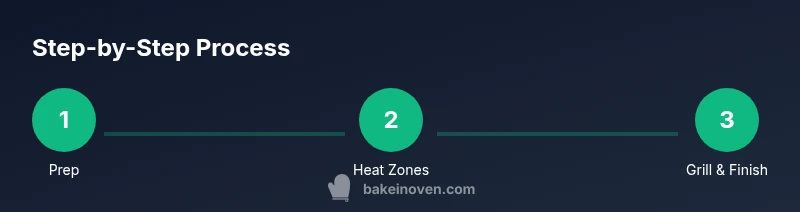
You can bake potatoes on the grill by prepping russet potatoes, preheating the grill to two heat zones, searing on direct heat, then finishing on indirect heat until tender. This method yields crisp skins and fluffy interiors, with smoky Distinct flavor from the grill. Follow the step-by-step in this guide for consistent results.
What makes grilled potatoes special
Grilled potatoes offer a balance of smoky, caramelized skin and a soft, fluffy interior that’s hard to match in the oven alone. When you bake a potato on a grill, you’ll often notice a crisp crust with a gentle charring that enhances the natural potato sweetness. According to Bake In Oven, this approach is scalable for weeknights or weekend gatherings, and it works well with a few simple seasonings. The goal is even warmth from edge to center, so you get that reliable contrast between crust and creaminess. In addition, you’ll enjoy the visual appeal of grill marks that signal a finished, delicious result. With the right potato choice and heat management, you’ll master this technique in a single afternoon.
Potato selection and prep
Choosing the right potato is the first step toward success. For grilling, russet potatoes are typically preferred due to their sturdy flesh and forgiving texture. Start by washing and scrubbing each potato to remove any dirt, then dry thoroughly. Poke several holes with a fork to vent steam and prevent bursting. Lightly oil the skins and sprinkle with kosher salt so the exterior crisps up. If you like extra flavor, mix in a pinch of garlic powder or paprika with the salt. A well-prepped potato will cook more evenly and achieve a uniformly crisp, golden skin. Bake In Oven’s approach emphasizes consistent moisture inside the potato while encouraging a crisp exterior.
Grill setup and heat zones
A two-zone setup is ideal for grilling potatoes. Preheat your grill so you have a hot direct zone for searing and a cooler indirect zone for finishing. For gas grills, heat to around 400°F, then lower one burner to create a separate indirect area. For charcoal grills, bank the coals to one side for direct heat and use the other side for indirect cooking. Clean the grates well and oil them lightly to reduce sticking. You’ll want to rotate the potatoes periodically to ensure even exposure to heat. This zoning strategy helps you build a bold crust without drying out the interior.
Tools and prep you need
Stock your toolkit before you start: a pair of long-handled tongs, an instant-read thermometer, a paring knife or skewer, a small brush or rag for oil, and a baking sheet or plate for resting. You may optionally use aluminum foil to trap moisture or a grill basket for easier handling. A reliable grill thermometer is helpful to monitor heat, and a timer keeps you on track for even cooking. Having these tools ready means you won’t waste time searching mid-process. Bake In Oven recommends organizing your setup like a mini-workstation so you can move smoothly from prep to cooking.
The basic grilling method: direct then indirect
Begin with a brief sear over direct heat to set the crust and begin flavor development. After about 5–7 minutes per side, move the potatoes to indirect heat to finish cooking through the center. The total cook time typically ranges from 25–40 minutes on indirect heat, depending on size and grill performance. Rotate every 10 minutes to promote even browning. If you’re using foil, you can wrap the potatoes loosely after the initial sear to trap steam, which speeds up cooking and yields very tender centers. The combination of direct and indirect heat is the key to a balanced texture.
Par-cooking options to save time
If you’re short on time, consider a brief par-cook before hitting the grill. A quick microwave session (4–6 minutes per potato) or a boil for 8–10 minutes can reduce total grill time significantly while still preserving that smoky finish. After par-cooking, finish on the grill with direct heat for 4–6 minutes and then move to indirect heat as needed. Par-cooking helps ensure the interior is fully cooked and creamy while the skin develops a satisfying crust. Bake In Oven notes that par-cooking is especially helpful for larger potatoes or when feeding a crowd.
Step-by-step grilling workflow
- Rinse and dry the potatoes, then pierce holes with a fork. Rub with oil and salt. 2) Preheat the grill and set up two zones (direct and indirect). 3) Sear on direct heat, turning to get grill marks. 4) Transfer to indirect heat, continue cooking until a skewer passes through with little resistance. 5) Check internal tenderness with a fork or thermometer. 6) Rest briefly, then slice and top as desired. 7) Serve alongside your preferred toppings and sides. This workflow aligns with Bake In Oven’s tested method for consistent results.
Doneness checks and finish
A fully cooked potato should feel soft when pierced with a fork, with the interior yielding to pressure but not collapsing. If you used a thermometer, aim for a soft core around 210°F when pierced with a skewer and held for a few seconds. The skin should be crisp and well browned, and the skin’s surface should not be leathery. If you see uneven coloration, rotate the potatoes more frequently or give them a longer stay on indirect heat. A quick return to direct heat for a minute can re-crisp the skin if necessary.
Common mistakes and fixes
Common issues include undercooked centers, burnt skins, and uneven cooking. To fix undercooked centers, lengthen the indirect heat phase and test with a skewer. If the skins burn, reduce direct heat time or move potatoes to a cooler zone sooner. Avoid crowding the grill; space between potatoes ensures even heat distribution. Keeping oils and seasonings light helps prevent burning. Bake In Oven emphasizes patience: a little extra time yields a perfectly cooked interior and a crisp exterior.
Serving ideas and toppings
Grilled baked potatoes shine with a simple, classic lineup: salted butter, sour cream, shredded cheddar, chives, and cracked pepper. For a bolder finish, try garlic butter or herb oil brushed on just after cooking. You can also top with crumbled bacon, shredded smoked mozzarella, or a dollop of Greek yogurt for tang. Consider offering a mini toppings bar so guests customize to taste. The smoky, caramelized exterior pairs well with both savory and bright toppings, creating a versatile side dish.
Safety, storage, and cleanup
Handle hot potatoes with care—use tongs and heat-resistant gloves if needed. Allow potatoes to rest for 5 minutes before cutting to avoid losing moisture. Store any leftovers in the refrigerator in an airtight container and reheat gently in the oven or on the grill. Clean the grates after cooling to prevent residue buildup. Always monitor for flare-ups and keep a spray bottle of water handy for safety. A clean grill makes the next batch cook smoother and more evenly.
Quick comparison: grill vs oven
Grill-baked potatoes offer a distinctive smoky aroma and a crisp, caramelized skin that is harder to achieve in a conventional oven. Ovens provide more consistent heat, but you miss the sear and grill marks. The grill method works best when you’re aiming for a rustic, outdoor flavor and a slightly charred finish. Bake In Oven notes that your choice between grill and oven depends on your goals for texture, aroma, and the occasion.
Tips for outdoor grilling in varying weather
If you’re grilling in windy or cool conditions, allow extra time for heat to stabilize and keep the lid closed to maintain consistent temperatures. Keep a thermometer handy to monitor grill heat, and adjust zones as needed when wind shifts. In hot, humid weather, keep the grill away from direct sun and stay hydrated. These weather-aware practices help ensure you still achieve a perfect bake potato on grill, even when conditions aren’t ideal.
Tools & Materials
- Russet potatoes (medium)(2-4 potatoes per person, depending on appetite)
- Olive oil or cooking spray(Light coating for crisp skin)
- Kosher salt(Generous seasoning for flavor)
- Freshly ground black pepper(Aromatics and bite)
- Aluminum foil (optional)(Wrap for moisture retention)
- Long-handled tongs(Turn and move potatoes safely)
- Instant-read thermometer(Check doneness without cutting)
- Paring knife or skewer(Test tenderness)
- Grill with lid and two heat zones(Essential for direct/indirect cooking)
- Grill brush(Clean grates before cooking)
Steps
Estimated time: 60-75 minutes
- 1
Rinse, scrub, and dry potatoes
Thoroughly rinse each potato to remove dirt. Scrub with a vegetable brush and dry completely with a towel. Poking holes with a fork helps vent steam and prevents bursting during cooking.
Tip: If the potato has a rough skin, trim any rough edges with a paring knife for even browning. - 2
Oil, salt, and season
Rub each potato with a small amount of olive oil and sprinkle generously with kosher salt. A light seasoning helps the skin crisp without drawing moisture from the interior.
Tip: Add a pinch of garlic powder or paprika for extra aroma and color. - 3
Preheat grill and establish zones
Preheat the grill to create two zones: high heat for searing and indirect heat for finishing. This zoning ensures a crisp exterior without undercooking the center.
Tip: For gas grills, light two adjacent burners and leave the other off. For charcoal, bank coals to one side. - 4
Sear on direct heat
Place potatoes on the direct heat side and sear for 5–7 minutes per side, turning to achieve even browning. You’re building flavor and creating a crust.
Tip: Keep the lid closed if your grill supports it to maximize heat efficiency. - 5
Finish on indirect heat
Move potatoes to the indirect zone and cook until tender when pierced with a fork. Expect 20–30 minutes depending on size; rotate every 10 minutes.
Tip: If you par-cooked, this step will be shorter—watch for that creamy center. - 6
Test for doneness
Use a skewer or instant-read thermometer; the center should be soft with little resistance. The skin should be crisp and browned.
Tip: If the center still feels firm, give it another 5–10 minutes on indirect heat. - 7
Rest and serve
Let the potatoes rest 5 minutes after removing from the grill. Slice open, season to taste, and add toppings.
Tip: A pat of butter or a drizzle of herb oil elevates flavor after resting.
Frequently Asked Questions
Can you bake a potato on a grill if you only have a small grill?
Yes. Use indirect heat and cut potatoes into halves or smaller pieces to reduce cooking time. Par-cooking briefly can help, too.
Yes. For small grills, finish faster by using indirect heat and possibly pre-cut potatoes; par-cooking helps as well.
Is wrapping potatoes in foil recommended?
Foil traps moisture and speeds up tenderness, but it softens the crisp skin. If you want a crisp skin, skip foil or wrap only after browning.
Foil can help with tenderness, but it softens the skin, so choose based on your texture preference.
What heat level is best for grill-baked potatoes?
Aim for a two-zone setup with a hot sear zone around 400°F and a cooler indirect zone to finish cooking through the center.
Use two zones: hot for sear, cooler for finishing the cook.
How long does it take to bake potatoes on the grill?
Total time varies with size; plan for about 60 minutes, with 20–30 minutes on indirect heat after searing.
Typically about an hour, depending on potato size.
Can I reheat grilled potatoes safely?
Yes. Reheat gently in the oven or on the grill to preserve the skin and interior texture. Avoid overheating.
Reheat slowly to keep the texture intact.
Watch Video
Key Takeaways
- Choose russet potatoes for best texture.
- Use two heat zones for crisp skin and tender centers.
- Par-cook or microwave first to save time if needed.
- Finish with toppings for variety and flavor.