Bake Without Sugar: A Practical Home Baking Guide
Discover practical strategies to bake without sugar using natural substitutes and flavor balance. This Bake In Oven guide covers ingredients, steps, and safety tips for delicious, sugar-free desserts and breads.


You will learn how to bake without sugar by choosing natural substitutes, balancing flavor, and adjusting moisture and sweetness levels. Start with pantry-friendly swaps like mashed bananas or applesauce, reduce added sweeteners gradually, and test with small batches. This guide walks you through ingredients, techniques, and safe substitutions for reliable sugar-free baking.
Why bake without sugar
According to Bake In Oven, baking without added sugar can reveal how flavors balance with natural sweetness while reducing refined carbohydrate intake. This approach helps home bakers create desserts and breads that align with dietary goals such as modest calories or managing blood sugar. In practice, bake without sugar means rethinking recipe structure: relying on fruit purée, dairy fats, and flavor boosters to compensate for sweetness. Sugar influences texture, moisture, and browning; when it’s reduced, you may see a drier crumb or less browning, but you can offset these effects with substitutions and technique. The goal is to maintain balance and enjoyment, not to perfectly replicate sugar. With mindful substitutions, you can produce desserts that satisfy cravings and fit health goals. For many home bakers, the process starts with understanding what each sugar does in a recipe and choosing substitutes that deliver similar results.
Sugar alternatives and flavor balance
Baking without sugar opens opportunities to exploit natural sweeteners and flavor boosters that enhance depth without overpowering the palate. Natural options like ripe fruits, fruit purées, dates, and small amounts of maple or honey can add sweetness and moisture. When choosing sugar alternatives, consider how they behave in heat: some sweeteners caramelize and brown (vanilla, cinnamon, citrus zest) and others provide bulk or moisture that affects texture. Bake In Oven’s guidance emphasizes balance: use a mix of substitutes to mimic sweetness, moisture, and browning. Taste as you go, adjusting spices and extracts to keep flavors vibrant. For many recipes, fat, acid, and salt also play critical roles in rounding sweetness, so don’t neglect these components while you bake without sugar.
Ingredient choices and substitution tips
Start by selecting a substitution strategy tailored to your recipe type—cookies, muffins, breads, or cakes each benefit from different approaches. For moisture and structure, ripe fruit purée or mashed banana can replace some sugar and add tenderness. If you want minimal added sweetness, consider monk fruit or stevia blends that cook well; be mindful of aftertaste and sweetness level. When substituting in recipes with eggs, ensure your chosen sweetener does not disrupt leavening or binding. Remember to adjust liquid balance if using fruit purées or yogurt as substitutes, since these add moisture. The Bake In Oven approach encourages testing in small batches to dial in ratios, texture, and flavor before scaling up.
Equipment and technique basics
A reliable bake without sugar relies on good technique and the right tools. A digital kitchen scale helps with precise substitutions, while measuring cups and spoons ensure consistency. An electric mixer or a sturdy whisk assists with aeration when replacing sugar’s beating energy. Lining pans with parchment paper or a silicone mat prevents sticking, and a cooling rack helps set texture after baking. Preheating the oven to the correct temperature is crucial, as sugar-free batters may react differently to heat. With these basics, you’ll achieve even crumb, proper rise, and a balanced flavor profile when you bake without sugar.
Reading labels and hidden sugars
Hidden sugars lurk in many pantry staples, from sauces to dairy products. When you plan to bake without sugar, start by reading ingredient lists to spot added sugars and sweeteners. Look for terms like corn syrup, fructose, dextrose, lactose, and syrups that may appear in place of granulated sugar. Choosing whole-food substitutions—such as unsweetened applesauce, mashed fruit, or yogurt—helps you control sweetness and moisture. Keeping a simple pantry log of ingredients and their sugar content can streamline decision-making during recipe development. Bake In Oven suggests tagging any product with added sugars so you can adjust recipes proactively rather than guessing.
Flavor boosters and add-ins
To compensate for the absence of sugar, boost flavor with spices, citrus zest, vanilla, almond extract, and coffee moments in chocolate recipes. Toasted nuts, citrus oils, cinnamon, cardamom, and cocoa nibs add complexity without relying on sweetness. You can also use small amounts of real fruit syrups or reduced fruit reductions to enhance flavor without tipping the balance toward sugar. Salt remains a crucial ally in sugar-free baking, helping to heighten perceived sweetness and overall aroma. Remember: the goal is deeper flavor, not simply sweeter taste, so taste and adjust throughout the process as you bake without sugar.
Recipe templates for sugar-free baking
Think in templates rather than fixed formulas. Quick bread template: flour, fat, eggs or binding agent, a moisture source (yogurt, applesauce, or fruit purée), leavening, and a sugar-free sweetener if needed. Cookie template: fat, binder (egg or flax), flour, moisture source, sugar substitute, and add-ins; aim for a slightly firmer dough that dries into a crisp edge. Cake template: fat, eggs, milk or yogurt, flour, leavening, and a sugar-free sweetener that browns well. Bread template: flour, water, yeast, salt, and a moistener like yogurt or mashed fruit. These templates help you substitute sugar confidently across recipes.
Planning and batch testing
Plan your experiments by baking small test batches to compare texture, sweetness, and aroma. Keep notes on substitutions, ratios, and outcomes so you can iterate efficiently. When you scale up, adjust bake times and temperatures slightly if you notice different browning or moisture levels. Consider keeping a ‘sugar-free bake log’ where you record the final texture, crumb, and flavor balance. This approach reduces guesswork and helps you refine your go-to sugar-free recipes over time.
Safety, storage, and shelf life
Sugar-free baked goods often store differently than their sugary counterparts. To maintain freshness, cool completely before refrigerating or freezing, and use airtight containers to prevent drying out. If using fresh fruit purées, store properly and label with bake dates. For breads and muffins, freezing individual portions can preserve moisture and texture. When thawing, avoid microwaving for long periods, which can alter texture; instead, allow gradual thawing at room temperature or in the fridge. Proper storage extends flavor and crumb stability, enabling you to enjoy baked goods without sugar over several days.
Troubleshooting common issues
If your bake lacks tenderness, try increasing moisture or using a fruit purée. If browning is uneven, ensure even pan distribution and preheating. For dense textures, check leavening and moisture balance; too little fat or too much liquid can weigh down the crumb. Off-flavors can come from overpowering extracts or substitutions that don’t pair well; adjust spice balance gradually. Finally, consider adding a splash of citrus juice to brighten flavors and counter any aftertaste from certain sugar substitutes.
Tools & Materials
- Oven(Preheat to recipe temperature (e.g., 350°F / 175°C))
- Two mixing bowls(Separate wet and dry ingredients; large and small bowls recommended)
- Measuring cups and spoons(Accurate measurement supports reliable substitutions)
- Digital kitchen scale(Precise weights improve consistency with substitutions)
- Whisk or electric mixer(Aerates batter and helps with moisture balance)
- Silicone spatula(Scrape sides and fold gently to preserve air in batter)
- Parchment paper or silicone mat(Line pans to prevent sticking and aid release)
- Sugar substitutes (monk fruit, stevia blends, or erythritol)(Choose heat-stable options suitable for baking)
- Natural sweeteners (mashed banana, applesauce, date paste)(Used to replace moisture and add aroma)
- Baking pans and trays(Appropriate size for the recipe; adjust if substituting sizes)
- Cooling rack(Cool baked goods evenly to set texture)
- Zest, vanilla or other extracts, spices(Flavor enhancers for depth without sugar)
- Flour, leavening agents, salt(Stock pantry essentials for healthy baking)
Steps
Estimated time: 1 hour 30 minutes
- 1
Gather ingredients and substitutes
Collect all dry and wet ingredients, plus your chosen sugar substitutes and moisture boosters. This upfront organization reduces last-minute substitutions and helps you assess texture and sweetness before mixing. Confirm you have enough of each item for the batch size you're making.
Tip: Keep substitutions labeled; note how each one behaves in heat. - 2
Preheat oven and prepare pans
Preheat to the target temperature and line pans with parchment or silicone liners. This ensures even heat distribution and easy release, especially important for sugar-free batters that may cling. Proper setup helps prevent overbaking and sticking.
Tip: Allow pan liners to sit in place while you mix to keep workflow smooth. - 3
Measure dry ingredients
Whisk flour, leavening, salt, and any dry spices in a separate bowl. Using a scale or measured cups ensures accuracy, which is crucial when removing sugar that normally contributes moisture. This step defines crumb structure for a sugar-free bake.
Tip: Sift if your flour is dense to improve lightness. - 4
Prepare wet ingredients
Whisk eggs, yogurt or milk, and your chosen moisture source (fruit purée or mashed banana) in another bowl. If using monk fruit or stevia, ensure sweetness level aligns with your taste preferences before combining. The goal is a balanced moist base.
Tip: Warm dairy slightly if using cold ingredients to improve mixing. - 5
Combine wet and dry, add sugar substitutes
Gently fold wet ingredients into dry until just combined. Add sugar substitute gradually, then fold until no dry pockets remain. Overmixing can toughen the crumb, especially when sugar is removed, so mix only until united.
Tip: Stop mixing as soon as batter comes together to maintain tenderness. - 6
Adjust moisture and texture
Check batter texture; if too stiff, add a tablespoon or two of liquid or fruit purée. If too loose, incorporate a touch more flour. Sugar-free batters can vary; adapting moisture helps prevent dense crumbs and cracking.
Tip: Keep a small reserve of moisture boosters to tweak consistency. - 7
Bake and monitor doneness
Place batter in the oven and bake until a toothpick comes out with a few moist crumbs. Sugar-free recipes may brown differently; check color rather than time alone. Rotate pans halfway for even browning if using multiple racks.
Tip: Use an oven thermometer to verify accuracy; ovens often run hot or cool. - 8
Cool and evaluate texture
Let baked goods cool on a rack to finish setting. Sugar-free cakes and cookies may firm up as they cool, so resist the urge to cut while hot. Assess crumb and moisture; decide if you want to tweak future batches.
Tip: If crumb is dry, consider adding moisture in the next test using purée or yogurt. - 9
Store and archive results
Store cooled items in airtight containers. Label with date and intended storage method (refrigerate or freeze). Maintain a small archive of substitutes and outcomes to inform future sugar-free recipes.
Tip: Freeze individual portions for quick, sugar-free snacks.
Frequently Asked Questions
Can I replace sugar entirely with natural substitutes?
Yes, you can replace sugar with natural substitutes, but results vary by recipe. Expect changes in sweetness, moisture, and browning, and be prepared to adjust ingredients and bake time. Start with a small batch to dial in the flavor and texture.
Yes—natural substitutes can replace sugar, but expect changes in sweetness and texture; test with a small batch first.
Will sugar-free desserts taste flat?
If sweetness is missing, boost flavor with spices, citrus zest, vanilla, and roasted nuts. A touch of salt can heighten perceived sweetness. Keep tasting during development to avoid dull flavors.
Sugar-free desserts can be flavorful with the right spices and flavor boosters; taste as you bake.
Are sugar substitutes safe for kids?
Most common sugar substitutes are considered safe in moderate amounts for kids, but use restrained quantities and consult pediatric guidelines if there are health concerns. Always introduce new ingredients gradually.
Most sugar substitutes are safe in moderation for kids; start small and watch for reactions.
How do I maintain texture in breads without sugar?
Moisture balance is key; use a moisture source like yogurt or purée to compensate. Ensure proper kneading and proofing to achieve an open crumb, and consider small amounts of fat or eggs for tenderness.
Balance moisture and fat; proper proofing helps keep the crumb light in sugar-free bread.
Do I need to adjust baking times when removing sugar?
Yes, bake times may shift slightly due to changes in browning and moisture. Start checking earlier and rely on doneness tests (toothpick with a few crumbs) rather than time alone.
Expect small bake-time changes; use doneness tests rather than clock time.
Can I use dairy-free substitutes when baking without sugar?
Dairy-free substitutions can work well with sugar-free recipes, but you may need to adjust moisture and tenderness with plant-based milks or yogurts. Choose substitutes that maintain fat content and texture.
Dairy-free options can work; watch moisture and fat balance.
Watch Video
Key Takeaways
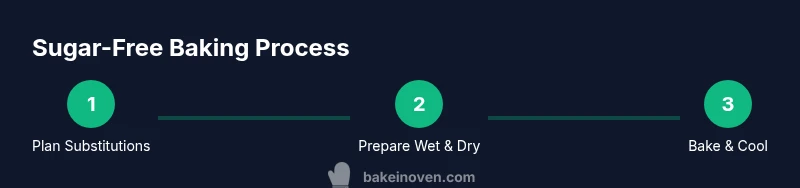
- Plan substitutions before you mix.
- Balance moisture and sweetness with natural ingredients.
- Test in small batches to dial in texture and flavor.
- Use flavor boosters to compensate for reduced sweetness.
- Store sugar-free results properly to maintain quality.