Can You Bake and Sell Cookies from Home? A Practical Guide
Learn how to safely bake and legally sell cookies from home with a step-by-step plan, covering regulations, food safety, packaging, pricing, and marketing for home bakers.


Yes, you can bake and sell cookies from home, but success requires understanding local cottage food laws, proper food-safety practices, and a solid product plan. This quick answer summarizes key requirements, typical costs, and recommended channels. Remember, rules vary by region, so verify permits, labeling rules, and insurance before selling. Bake In Oven provides practical, kitchen-tested guidance to help you start safely.
Can you bake and sell cookies from home? A practical starting point
If you’re asking can you bake and sell cookies from home, the short answer is yes in many places, but with important caveats. The question isn’t just about tasty dough and oven timing—it’s about compliance, safety, and a clear business plan. According to Bake In Oven, successful home-baked sales hinge on following local rules, maintaining high food-safety standards, and delivering consistent products. This section introduces the core idea: turning a kitchen passion into a compliant, small-batch cookie business while protecting your customers and your peace of mind. As you read, keep the can you bake and sell cookies from home question in mind and look for practical steps you can take this week.
Legal and regulatory considerations for home-based cookie sales
Regulations for selling cookies from a home kitchen vary widely by location. In some regions, cottage food laws allow individuals to sell non-perishable baked goods from a home kitchen with minimal permitting; in others, you may need a commercial kitchen, a business license, and regular health inspections. Regardless of jurisdiction, a few principles apply: avoid selling perishable items, keep your kitchen clean and separate from raw foods, maintain complete records of ingredients and suppliers, and check whether your local health department requires food-handling certification. Budget time early to understand these requirements to prevent costly changes after you launch. The Bake In Oven team emphasizes that starting with a clear regulatory plan saves you from compliance headaches and market disruption.
Food safety and kitchen setup for home bakers
Food safety is not optional in a home bakery. Establish clean-to-dirty workflows; wash hands thoroughly before handling dough; sanitize surfaces between batches; and store ingredients away from pets and contaminants. Temperature control matters for any products with fillings or perishable ingredients, even if your jurisdiction allows room-temperature cookies. Use dedicated utensils for doughs with allergens and label batches clearly. Invest in a reliable oven thermometer to verify that your oven heat matches your recipe, and keep a simple sanitation log for weekly audits. A solid safety foundation protects both customers and your growing business, and it aligns with best practices recommended by reputable food safety authorities.
Recipe selection and product strategy for home bakers
Choosing the right cookie lineup is essential. Start with a core set of reliable recipes that travel well and have a consistent texture after packaging. Consider shelf-stable options that don’t require refrigeration and accommodate common allergens like wheat, dairy, and nuts. Develop a small menu—perhaps a classic chocolate chip, a shortbread, and a seasonal favorite—to reduce complexity while you scale. Maintain precise measurements and standardized bake times to ensure every batch tastes the same. Remember, branding helps distinguish your cookies, so document flavor ideas, packaging concepts, and a short story about your product line to resonate with customers.
Packaging, labeling, and branding for baked cookies
Packaging is your first impression. Use sturdy, food-safe materials that preserve freshness and protect cookies during transport. Label every packaging unit with the product name, net weight, ingredient list, allergen warnings, your business name, and contact information. Include a best-by date if your items risk quality degradation; if not required by law, a “baked on” date can still reassure customers about freshness. Branding should reflect your cookies’ personality—colors, typography, and a logo that translates well on bags and boxes. Consistency in packaging and labeling builds trust and encourages repeat purchases.
Pricing, costs, and profitability for home bakeries
Pricing should reflect ingredient costs, packaging, light overhead, and your time, while staying competitive in local markets. A practical approach is cost-plus pricing: calculate the direct cost of each batch, add a reasonable margin for labor, and factor in packaging and incidental expenses. Your pricing should also align with your market channel—farmers’ markets, online sales, or local retailers—so you remain attractive yet sustainable. Track gross margins per batch and adjust as you learn more about demand, waste, and seasonal trends. Avoid underpricing, which can erode value and hinder growth, but remain flexible during your initial launch.
Marketing and sales channels for home bakers
Marketing for a home bakery blends storytelling with strategic sales channels. Start locally: neighbor networks, farmers markets, community events, and pop-up shops can generate early feedback. Establish an online presence with a simple storefront or social media gallery to showcase flavors, behind-the-scenes processes, and customer reviews. Local collaborations with coffee shops or specialty retailers can expand reach. Focus on high-quality photos, clear descriptions, and consistent posting. Shipping can broaden reach, but consider packaging integrity and perishable risks. The goal is to create a loyal local customer base while growing online visibility.
Compliance checklists and ongoing quality for long-term success
Create a practical, repeatable system to maintain compliance and quality. Maintain sanitized equipment, documented recipes, and proof of ingredient sources. Keep records of sales, customer feedback, and any incidents, and review them regularly to identify improvements. Schedule periodic self-audits that verify labeling accuracy, packaging integrity, and sanitation practices. Stay informed about changes in local regulations and food-safety guidance. The key is to integrate compliance into daily routines so it becomes part of how you bake and sell cookies, not an afterthought.
Getting started: a practical 14-day plan for launching your home cookie business
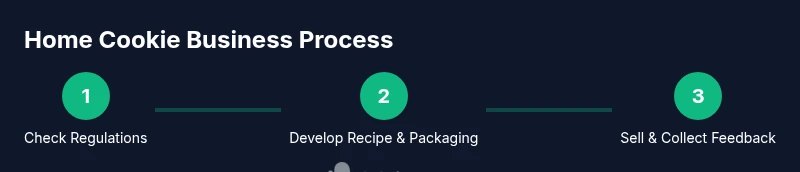
Day 1–2: Research local regulations and licensing needs; contact your health department for guidance. Day 3–5: Develop 2–3 core cookie recipes and test bake times. Day 6–7: Build your packaging concept and label templates. Day 8–10: Source packaging materials and set up your sanitation plan. Day 11–12: Create a simple pricing model and a basic marketing plan. Day 13–14: Run a small pilot sale with trusted friends or at a local venue and collect feedback for improvements.
Tools & Materials
- Oven (digital thermometer integrated)(Preheat accuracy is critical; verify with a separate oven thermometer)
- Stand mixer or hand mixer(Powerful motor helps with dense doughs)
- Mixing bowls (various sizes)(Stainless steel or glass preferred)
- Measuring cups and spoons(Accurate measurements improve consistency)
- Baking sheets and cooling racks(Use nonstick or parchment to prevent sticking)
- Parchment paper or silicone baking mats(For easy release and cleanup)
- Digital kitchen scale(Precise ingredient weights aid repeatability)
- Storage containers with lids(Keep batches fresh and traceable)
- Labels and packaging materials(Food-safe bags, boxes, or tins)
- Basic cleaning & sanitizing supplies(Dish soap, sanitizing spray, towels)
- Food thermometer(Ensure internal temps stay safe)
- Knife(s), spatula(s), and whisk(Essential prep tools)
- Timer or smartphone timer(Avoid overbaking)
- Optional: food-grade gloves(Only if required by local policy or personal preference)
Steps
Estimated time: 2-6 weeks
- 1
Assess local regulations
Identify cottage food laws or licensing requirements in your area. Contact your health department or a local extension service to confirm permitted products and any sales channels. Understanding these rules up front saves time and avoids penalties.
Tip: Document the exact regulation names and contact details you receive. - 2
Develop your product plan
Choose a small, repeatable cookie lineup and standardize recipes for consistent taste and texture. Ensure ingredients comply with allergen labeling expectations and avoid perishable fillings if allowed only for non-perishable baked goods.
Tip: Create a flavor calendar to plan seasonal releases. - 3
Set up your kitchen practices
Create a clean workflow: separate raw ingredients from finished cookies, designate utensils, and implement regular sanitation checks. Keep a simple log of ingredient sources and batch numbers for traceability.
Tip: Use color-coded tools to minimize cross-contamination. - 4
Prototype and test batches
Bake multiple test batches to confirm flavor, texture, and packaging integrity. Have friends or family sample for feedback on taste, appearance, and packaging appeal.
Tip: Record bake times and oven spots to standardize results. - 5
Design packaging and labeling
Choose packaging that preserves freshness and conveys your brand. Include required information such as product name, net weight, ingredients, and contact details. If applicable, add allergen warnings and best-by dates.
Tip: Keep label fonts legible in production size. - 6
Set pricing and margins
Estimate ingredient costs, packaging, and a fair wage for your time. Use a simple margin calculation to determine prices that reflect value without undercutting the market.
Tip: Test different price points at a small event to gauge willingness to pay. - 7
Choose initial sales channels
Select one or two channels to start, such as a weekend market or a local pop-up shop, plus an online storefront. Track which channel yields better margins and repeat customers.
Tip: Negotiate reliable display space with clear signage. - 8
Launch pilot and collect feedback
Offer a limited product set to a controlled group of customers and solicit detailed feedback on taste, packaging, and delivery. Use insights to refine your recipes and operations.
Tip: Set up a simple customer feedback form to streamline data collection. - 9
Scale with quality controls
If demand grows, gradually add batches and implement a more formal quality-control routine. Maintain batch traceability, update labeling if recipes change, and review regulatory requirements as you expand.
Tip: Document every recipe change and its impact on taste and shelf life.
Frequently Asked Questions
Do I need a business license to bake cookies at home?
Requirements vary by location. Some areas allow cottage foods with minimal licensing, while others require a business license and health inspections. Check with your local health department for specifics.
It varies by location—check with your health department for the exact license needed.
Can I sell cookies online from home?
Online sales are possible in many regions, but may be restricted to certain channels or require additional permits. Verify online selling rules with local authorities.
Online selling is often allowed, but confirm rules with local authorities first.
What labeling must cookies have?
Labeling typically includes the product name, net weight, ingredients, allergen notices, and your business contact info. Some areas require a best-by date or producer location.
Labeling usually requires name, weight, ingredients, allergens, and contact info.
How should I handle allergens in home-baked cookies?
Avoid cross-contamination by separate equipment, sanitize surfaces between batches, and clearly label common allergens present in each product.
Prevent cross-contact by using separate tools and clear allergen labels.
Are there limits on how much I can sell from home?
Some areas have caps on cottage food products or on where you can sell. Plan a scalable approach and stay within local limits to avoid disruptions.
Sales limits may apply; plan for scalable, compliant growth.
What about shipping cookies to customers?
Shipping is possible but adds packaging and food-safety considerations. Ensure cookies stay fresh and comply with shipping regulations for foods.
Shipping adds complexity; ensure freshness and regulatory compliance.
Watch Video
Key Takeaways
- Define your local regulations before starting.
- Choose a small, repeatable cookie lineup.
- Invest in packaging that preserves freshness.
- Price with clear margins and test channels.
- Launch with a compliant plan and documented processes.