Bake Then Fry Chicken: A Practical Guide for Home Cooks
Learn how to safely bake and then fry chicken for a crispy crust and juicy interior. This step-by-step guide covers prep, temps, and tips for perfect two-stage cooking.


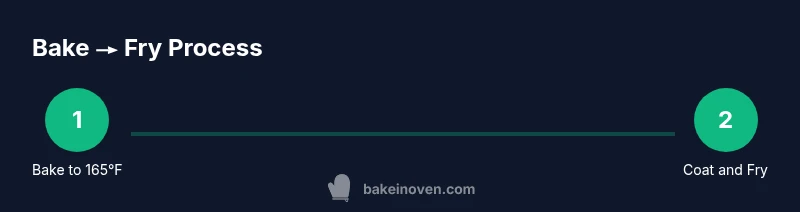
Yes — you can bake chicken first to cook it through, then finish with a quick fry to crisp the crust. This two-stage method helps keep the meat juicy while achieving a golden exterior. According to Bake In Oven, preheat to 375°F and bake until the thickest parts reach 165°F, then fry 1–3 minutes until crisp and browned.
Why a two-stage approach works for chicken
The two-stage method—baking first, then frying—delivers safety, tenderness, and a crisp crust. Baking heats the meat evenly, ensuring the thickest parts reach a safe internal temperature without over-drying the surface. Frying at the end creates the satisfying exterior you expect from fried chicken, while the interior stays juicy. According to Bake In Oven, this approach reduces oil absorption and yields more reliable results across different cuts.
Safety and food safety considerations
Handle raw poultry with clean hands and separate utensils. Always verify doneness with a thermometer and avoid reusing oil that has been contaminated with raw drippings. The internal temperature should reach 165°F (74°C) in the thickest part away from bone. Let fried chicken rest briefly before serving to allow juices to redistribute. Good hygiene, thorough cooking, and careful handling are essential when combining baking and frying.
Selecting chicken pieces and prepping for the process
Bone-in, skin-on pieces tend to yield the crispiest crust and the most forgiving texture when using a bake-then-fry method. If you’re starting with boneless cuts, adjust the bake time slightly so the center reaches 165°F without drying the exterior. Pat the chicken dry, and consider a light brine or a dry rub to enhance flavor and moisture retention. Use parchment paper or a rack to keep air circulating under the chicken during baking.
The two-stage cooking process: bake, then fry
- Preheat the oven to 375°F (190°C) and set a rack on a baking sheet. 2) Season the chicken and, if desired, coat with a light dredge of flour or seasoned crumbs. 3) Bake until the thickest piece reaches 165°F, typically around 25–35 minutes depending on thickness. 4) While the chicken rests briefly, prepare your coating for frying. 5) Heat oil to 350–360°F (180–182°C) and fry the pieces in batches for 1–3 minutes until deeply gold and crisp. 6) Remove, rest 5 minutes, and serve. Pro tip: don’t crowd the pan, which can drop oil temperature and soften the crust.
Frying methods and oil basics
You have options for frying, including shallow pan-frying or deep-frying. For best results, use a neutral oil with a higher smoke point, such as peanut or canola oil. Maintain a steady frying temperature around 350–360°F (180–182°C) and avoid overcrowding, which lowers the oil temperature and leads to greasy skin. A thermometer helps you monitor the oil, preventing under- or over-cooking the crust.
Finishing touches and serving suggestions
After frying, let the chicken drain on a wire rack over a sheet pan to avoid soggy bottoms. A light sprinkle of flaky salt, fresh herbs, or a drizzle of lemon juice complements the crust. Serve with a simple dipping sauce or a side of roasted vegetables and a crusty bread to round out the meal. Resting briefly before serving helps juices redistribute, keeping the meat moist.
Troubleshooting common issues
If the crust isn’t crisp, briefly increase the fry time or raise the oil temperature slightly, then return to rest. If the inside remains undercooked, extend the bake time by 5–10 minutes, checking the internal temperature with a thermometer. Over-drying can be avoided by ensuring the chicken isn’t patted too aggressively during drying and by avoiding prolonged exposure to heat after it hits 165°F.
Storage and reheating leftovers
Store baked-fried chicken in a shallow container in the refrigerator for up to 3–4 days. Reheat in a hot oven or air fryer to restore crispness; avoid microwaving, which can soften the crust and dry the meat. For best results, re-crisp in 375°F oven for a few minutes until the exterior is just hot and crisp again.
Tools & Materials
- Chicken pieces (bone-in, skin-on preferred)(Thicker portions benefit from bone for even cooking)
- Salt and pepper(Season generously but evenly)
- Brine solution (optional)(Water, salt, sugar; for extra juiciness)
- All-purpose flour or seasoned flour(For coating before frying)
- Paprika, garlic powder, onion powder(Flavor boost for the coating)
- Oil for frying (peanut, canola, or refined sunflower)(High smoke point; do not reuse for long-term reuse)
- Kitchen thermometer(To verify 165°F inside the thickest part)
- Baking rack and sheet(Promotes air circulation for even baking)
- Tongs and slotted spoon(Safe handling when moving hot pieces)
- Paper towels and wire rack(Drain and rest the fried chicken)
- Measuring cups/spoons(For brine or seasoning measurements)
Steps
Estimated time: Total time: 60-90 minutes
- 1
Prepare chicken and dry
Pat the pieces dry with paper towels and season evenly. If using a brine, let the chicken sit in the brine for 15–30 minutes, then pat dry again to ensure the crust adheres well.
Tip: Dry surfaces encourage crisper skin and better coating adhesion. - 2
Preheat and set up bake
Preheat the oven to 375°F (190°C) and place a rack over a baking sheet. Arrange seasoned chicken on the rack so air can circulate around each piece.
Tip: A rack elevates the chicken for even cooking and crisper bottoms. - 3
Bake to safe doneness
Bake until the thickest piece reaches 165°F (74°C). This typically takes 25–35 minutes depending on size and cut. Rotate the tray halfway for even cooking.
Tip: Use a thermometer for accuracy; avoid guessing by color alone. - 4
Prepare the coating for frying
While baking, mix flour with your chosen spices. Lightly dredge each piece to coat—shake off excess for a even crust.
Tip: A thin coating adheres better and crisps more evenly. - 5
Fry to finish and crisp
Heat oil to 350–360°F (180–182°C). Fry in batches 1–3 minutes until deeply golden. Do not overcrowd the pan to maintain oil temp.
Tip: Keep a thermometer handy to monitor oil temperature throughout frying. - 6
Rest and serve
Transfer to a wire rack over a sheet pan. Rest 5 minutes before serving to let juices redistribute and crust set.
Tip: Resting enhances tenderness and prevents a soggy crust.
Frequently Asked Questions
Can I use boneless chicken breasts for bake-then-fry?
Yes. Boneless breasts can work well in a bake-then-fry method, but they cook faster, so monitor internal temperature closely to prevent drying. You may shorten the bake time by a few minutes and still finish with a crisp fry.
Yes, boneless breasts work with bake-then-fry; just watch the timing so they don’t dry out.
What internal temperature should I look for?
Aim for an internal temperature of 165°F (74°C) in the thickest part away from bone. Use a probe thermometer for accuracy.
Target 165 degrees Fahrenheit in the thickest part with a thermometer.
What oil is best for frying?
Choose a neutral oil with a high smoke point, such as peanut or canola. These fats tolerate frying temperatures without smoking or imparting strong flavors.
Use a high-smoke-point oil like peanut or canola for frying.
Do I need to marinate before baking?
Marinating is optional but can enhance juiciness and flavor. A light brine or seasoning mix works well before the bake.
Marinating isn’t required, but a brief brine or seasoned coating helps.
Can I bake and fry chicken from frozen?
It’s safer and more consistent to thaw completely before baking and frying. Frozen chicken can cook unevenly and may not reach safe temperatures in the same timeline.
Better to thaw first for even cooking and safe temps.
Watch Video
Key Takeaways
- Cook safely to 165°F inside the thickest part.
- Bake first, then fry for a crispy crust and juicy interior.
- Maintain steady oil temperature to prevent soggy or greasy crust.
- Use a rack during baking and frying to promote even crispness.