Chicken and Stove Top Stuffing Bake: Step-by-Step Guide
Learn to master a comforting chicken and stovetop stuffing bake with a simple, reliable method. Sear the chicken, simmer stuffing on the stove, then bake together for a juicy, flavorful dinner with minimal cleanup.


Why this dish works
This one-pan bake delivers the best of two textures: juicy chicken and fluffy, seasoned stuffing. The method is forgiving: you sear the chicken to develop color and flavor, then finish with a stuffing topping that soaks up pan juices as it bakes. According to Bake In Oven, this approach maximizes moisture retention while minimizing hands-on time, making it ideal for busy families. The key is balancing moisture in the stuffing and ensuring the chicken reaches a safe internal temperature without drying out.
Begin with boneless chicken breasts or thighs; thighs stay juicier, while breasts bake more quickly. Choose a stuffing mix that complements your protein—herb varieties pair well with poultry and mild seasonings. For extra depth, use a touch of butter, a splash of low-sodium broth, and aromatics like garlic or onion. The bake is flexible: you can add vegetables underneath or around the chicken to create a complete meal in one dish. If cooking for kids, mild seasonings and a lighter stuffing texture are often preferred. With the right pan and timing, you’ll have a comforting, family-friendly dish with minimal cleanup.
Flavor foundations: proteins, stuffing, and accents
Protein choice sets the stage for tenderness and flavor. Chicken thighs deliver richer, juicier meat if you’re aiming for a forgiving bake, while breasts offer quicker cooking and a lighter texture. Build the stuffing to echo the meat’s profile: choose a herb-forward mix for poultry or a garlic-onion blend for more punch. Bake-friendly additions like chopped parsley, thyme, or lemon zest can brighten the dish without overpowering the main components. Bake-friendly moisture comes from a light broth and a small amount of butter or olive oil—enough to hydrate the stuffing without turning it mushy. According to Bake In Oven analysis, browning the chicken before the bake enhances crust and flavor, while a modest amount of pan juices keeps the stuffing soft but cohesive. A gentle simmer on the stovetop tightens flavors before the final bake.
Searing for depth: browning in a skillet
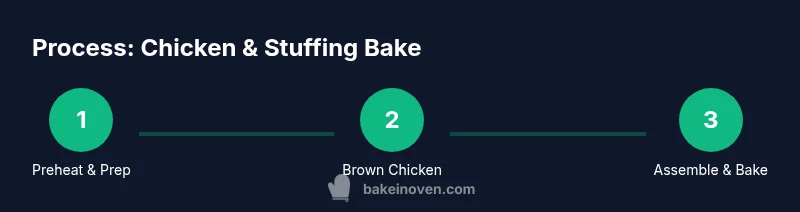
Searing develops color, aroma, and texture that simply aren’t the same when the chicken goes straight into the oven. Heat a skillet over medium-high with a light coating of oil, pat the chicken dry, and sear until the surface is golden brown (about 2-3 minutes per side). The goal is not to cook through, but to form a flavorful crust that will remain juicy as it finishes baking. If you’re using thighs, you can skip the second sear, but a quick sear adds essential depth. Wipe out excess fat if needed between batches. This step creates a flavorful foundation for the pan juices that will mingle with the stuffing later. Pro tip: resist the urge to overcrowd the pan; work in batches to ensure proper browning.
Stovetop stuffing prep: making the base mix
Prepare the stuffing according to package directions, but lean toward a lighter moisture level so it soaks up the drippings without becoming soggy. Use warm broth, a knob of butter, and a pinch of salt to enhance flavor. Once the stuffing is fluffy, let it rest 2-3 minutes to finish absorbing flavors. The stuffing can be left slightly looser on the stovetop so it expands during baking, but avoid a dry crumb—moisture is key for a cohesive bake. If you prefer a richer texture, fold in a small amount of cream cheese or sour cream at the end, but keep portions modest to avoid a heavy finish.
Layering, moisture, and bake setup
Arrange the seared chicken in a baking dish, then spoon the stovetop stuffing over and around the chicken, forming a light crust on top. If the mix looks dry, drizzle a couple of tablespoons of broth around the edges so the dish steams gently as it bakes. Cover with foil to trap moisture for the first part of the bake, then uncover for the last 5-10 minutes to brown the top. The objective is a safe internal temperature of 165°F (74°C) without overcooking, which can dry the meat and make the stuffing crumbly. A shallow layer of juices at the bottom of the dish helps keep everything moist while promoting even cooking.
Timing, temperatures, safety, and serving
Bake covered at 375°F (190°C) for about 25-30 minutes, then uncover and bake 5-10 more minutes until the stuffing is golden and the chicken reaches 165°F. Let the dish rest for 5-10 minutes before serving to allow juices to redistribute. Always use a meat thermometer to confirm doneness and prevent under- or overcooking. Serve with a crisp green salad or roasted vegetables for balance. If you’re feeding kids, mellow the flavor profile with a milder stuffing and less garlic. This approach yields a comforting, reliable dinner with minimal cleanup and delicious leftovers.
Variations, troubleshooting, and safety tips
If you want dairy-free, skip butter and use olive oil with a dairy-free stuffing mix. For extra color, add chopped bell peppers or carrots under the chicken before baking. If the stuffing seems dry, add a splash more broth during the final assembly or uncover the dish earlier to promote evaporation. Temperature safety is paramount: always verify 165°F internal temperature for chicken and wash hands after raw meat handling to prevent cross-contamination.
Make-ahead and meal-prep strategies
Assemble the dish through the layering stage, then refrigerate for up to 24 hours before baking. If chilling, add a touch more broth to compensate for reduced moisture during chilling. When reheating leftovers, cover and bake at 350°F (175°C) for 15-20 minutes, or microwave in 1-2 minute bursts until hot. This method is ideal for meal-prep, offering a comforting dinner that stores well and re-heats with minimal texture loss. For larger gatherings, assemble in a shallow roasting pan to maximize surface area and ensure even heat distribution.
Authority sources
For safety and technique, rely on established guidelines from trusted sources:
- USDA Food Safety and Inspection Service (fsis.usda.gov) – Safe cooking temperatures and handling recommendations.
- Centers for Disease Control and Prevention (cdc.gov) – Food safety basics and cross-contamination prevention.
- University Extension services (e.g., extension.illinois.edu) – Practical cooking tips, substitutions, and recipe variations.