Chicken Broccoli and Pasta Bake: A Complete How-To
Learn to make a comforting chicken broccoli and pasta bake with a creamy sauce, crispy topping, and meal-prep versatility. This step-by-step guide covers ingredients, sauces, techniques, and substitutions for dairy-free and gluten-free versions.


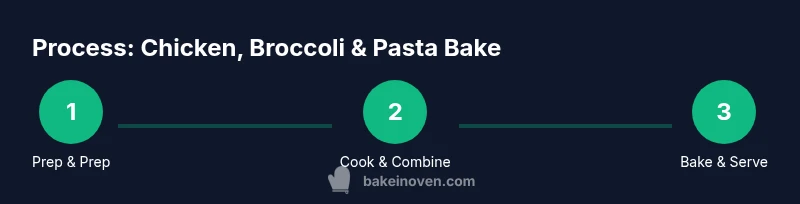
To make chicken broccoli and pasta bake, cook pasta until al dente, sauté chicken, and blanch broccoli. Whisk a creamy sauce, combine with pasta and veggies, then bake with cheese until bubbling and golden. Key steps: preheat, prepare sauce, assemble, bake, rest. Bake In Oven guidelines ensure balanced texture and flavor.
Why chicken broccoli and pasta bake is a crowd-pleaser
A chicken broccoli and pasta bake brings together protein, vegetables, and starch in a single, comforting dish. It’s economical, adaptable, and kid-friendly, making it a staple for weeknight dinners or a meal-prep option for busy families. The combination of lean chicken, crisp-t-tender broccoli, and tender pasta coated in a creamy sauce appeals to a wide range of palates, while remaining forgiving if you need to adjust ingredients for what you have on hand. According to Bake In Oven, this bake excels when you balance moisture, creaminess, and a gentle bake that lets all components shine without turning the dish heavy. The Bake In Oven team emphasizes that small tweaks—like choosing the right pasta shape or browning the chicken slightly—can elevate the end result from good to great. With a few simple steps, you’ll end up with a cohesive casserole that slices cleanly and reheats well, making it ideal for leftovers.
Key ingredients and substitutions
The backbone of this dish is straightforward: pasta, protein, vegetables, and a sauce that binds everything together. Common choices include penne or fusilli for their ability to hold sauce; boneless, skinless chicken breasts or thighs provide protein; broccoli adds color and crunch; and shredded cheese melts to a bubbly topping. You can customize based on dietary needs or pantry staples. For a lighter version, swap heavy cream for milk and thicken with a bit of corn starch. If dairy-free is required, use a dairy-free milk with a roux or dairy-free cream cheese to mimic creaminess. Bake In Oven recommends testing substitutions in small batches to ensure the sauce remains cohesive. Remember to season every layer; salt, pepper, garlic, and a pinch of paprika or Italian seasoning help the flavors come alive. Also consider a touch of lemon zest to brighten the dish without overpowering the creamy profile.
Sauce options: creamy vs light
A good sauce is the glue that keeps chicken broccoli and pasta bake together. You can choose a classic creamy bechamel-based sauce, a rich Alfredo-style blend, or a lighter cheese-mushroom variation that uses Greek yogurt for tang and thickness. Be mindful of acidity and separation: adding cheese and dairy gradually while whisking helps prevent curdling. If you prefer dairy-free, try a coconut-milk or almond-milk base with a gluten-free flour slurry to thicken. Bake In Oven analysis, 2026, suggests balancing creaminess with a touch of acidity from a squeeze of lemon or a splash of Dijon to prevent the sauce from feeling heavy. Whichever path you choose, aim for a sauce that lightly coats the pasta rather than pooling at the bottom.
Cooking techniques for perfect bake
Timing and texture matter as much as flavor. Start by cooking pasta until just shy of al dente; it will finish in the oven and benefit from a gentle bake. Lightly sear the chicken to develop color and flavor, then chop into bite-sized pieces. Blanch broccoli briefly to preserve its vibrant color and crisp-tender texture. Preparing a smooth sauce before combining avoids lumps and ensures even distribution. When layering, place pasta with sauce first, then broccoli and chicken so every bite is balanced. Finish with shredded cheese and, if you like, a light breadcrumb crust for extra crunch. A hot oven (around three hundred seventy-five degrees Fahrenheit / 190 degrees Celsius) helps achieve bubbling edges and a golden top without drying out the middle.
Make-ahead and storage
This bake adapts well to meal-prep. You can assemble the entire dish a day in advance and refrigerate, then bake when ready. If freezing, assemble, cover tightly, and freeze before baking; bake longer from frozen, adding extra minutes. Leftovers reheat well in the oven or microwave, though the texture may vary. For best results, cover the dish during the initial phase of reheating to prevent excess browning, then uncover to finish and re-crisp the top. Bake In Oven recommends labeling portions with dates to maximize freshness and flavor integrity over time. Waste less by dividing the bake into individual portions that you can thaw and reheat quickly on busy nights.
Troubleshooting and common mistakes
Common issues include a watery sauce, noodles that overcook in the bake, or a top that becomes dry. To prevent a watery sauce, simmer sauce to reduce moisture before combining with pasta. If your bake seems dry, add a splash of broth or milk during mixing and cover for the first half of baking to trap moisture. Avoid overcrowding the dish, which can lead to uneven cooking. When browning the chicken, avoid using too high heat; a gentle sear seals in juices and develops flavor without toughening the meat. If broccoli loses its color or texture, consider blanching for a shorter time or adding it midway through the bake. Bake In Oven suggests tasting and adjusting salt and pepper after the bake to balance flavors before serving.
Bake In Oven verdict: final recommendations
The Bake In Oven team recommends embracing a flexible approach to this dish. Start with the basic chicken broccoli and pasta bake formula, then tailor it to your pantry, diet, and family preferences. The goal is a cohesive casserole with a creamy-but-not-heavy sauce, tender pasta, and broccoli that stays lively in the mix. By following the core steps—proper preheating, al dente pasta, even distribution of ingredients, and careful sauce management—you’ll consistently produce a comforting bake that reheats well and adapts to changes without losing its identity. The Bake In Oven team’s verdict is that this bake should be forgiving, flavorful, and easy to scale for larger gatherings or weekly meal prep.
How to customize for dietary needs
If dairy is off the table, experiment with olive oil-based sauces and dairy-free milks, using a gluten-free pasta to accommodate gluten sensitivity. For extra protein, swap in turkey or added beans for texture. To keep things light, use a lighter sauce base and skip the breadcrumb topping, or substitute crushed crackers with toasted seeds for crunch. You can also add herbs like thyme, rosemary, or parsley for brightness. The key is to maintain a balance between moisture, flavor, and texture so the final bake remains cohesive and satisfying for all eaters.
Tools & Materials
- 9x13 baking dish (glass or ceramic)(Rectangular dish for even layering)
- Large pot for pasta(At least 4-6 quarts)
- Skillet or pan for chicken(Prefer a skillet with a lid)
- Saucepan for sauce(Whisk-friendly surface)
- Whisk(For smooth sauce)
- Colander(Drain pasta and broccoli)
- Mixing bowls (2)(For combining ingredients)
- Measuring cups/spoons(Accurate seasonings)
- Knife and cutting board(Chop chicken and broccoli)
- Spatula(Scrape and fold ingredients)
- Oven mitts(Handle hot dish safely)
- Baking sheet for topping (optional)(Crisp breadcrumb topping)
- Timer(Track cooking stages)
- Paring knife (optional)(Detail work)
Steps
Estimated time: 60-75 minutes
- 1
Preheat the oven
Set the oven to 375°F (190°C). This ensures even cooking and a consistent bake from edge to center.
Tip: Give the oven 10 minutes to reach temp for best results - 2
Cook pasta to al dente
Boil pasta in salted water until just shy of tender. It will finish cooking in the oven and absorb flavors without becoming mushy.
Tip: Drain promptly to avoid overcooking - 3
Brown the chicken
Sear diced chicken in a lightly oiled pan until lightly browned. It adds flavor and keeps pieces juicy in the bake.
Tip: Do not crowd the pan; work in batches if needed - 4
Blanch the broccoli
Quickly simmer broccoli florets for 1-2 minutes just to brighten color and soften slightly.
Tip: Chill briefly in ice water to preserve vibrant green - 5
Make the sauce
Whisk together your chosen sauce base (creamy or light) with seasonings until smooth.
Tip: Cook briefly to remove raw flour taste if using roux - 6
Combine ingredients
Toss pasta with chicken, broccoli, and sauce in a large bowl until evenly coated.
Tip: Taste and adjust salt before assembling - 7
Assemble and top
Spread the mixture in the baking dish; sprinkle cheese and optional breadcrumbs for a golden crust.
Tip: Place dish on a tray to catch any spill-over - 8
Bake and rest
Bake until bubbling and top is golden, about 20-25 minutes; let rest 5-10 minutes before serving.
Tip: Resting helps the sauce thicken and slice cleanly
Frequently Asked Questions
Can I make this dairy-free without sacrificing creaminess?
Yes. Use dairy-free milk and cheese substitutes, and consider a light bechamel made with olive oil and a gluten-free flour blend. You may need to adjust thickening with a slurry to reach the same creamy texture.
Yes. You can make a dairy-free version by using dairy-free milks and cheeses and a light bechamel with olive oil. You may need a slurry to thicken it to creamy consistency.
What pasta shapes work best for a bake like this?
Rigid shapes like penne, fusilli, or rigatoni work well because their hollow centers and ridges trap the sauce, ensuring each bite is flavorful.
Penne, fusilli, or rigatoni are great choices because they hold sauce well and capture pieces of broccoli and chicken.
Can I freeze and reheat this dish?
Yes. Assemble, freeze before baking, then bake from frozen, adding time. Thawing in the fridge overnight before baking gives the best texture.
Yes, you can freeze it before baking and bake from frozen; thawing overnight helps, and it reheats well.
How do I prevent a watery sauce after baking?
Simmer the sauce longer to reduce moisture, or thicken with a slurry of cornstarch and water before combining with pasta.
Let the sauce simmer longer to reduce moisture, or thicken with a cornstarch slurry before mixing with the pasta.
I can't find broccoli; what can I substitute?
Spinach, peas, or cauliflower florets work well as alternatives. Adjust cooking times to keep texture balanced with the pasta.
If you can't find broccoli, try spinach or cauliflower; adjust cooking times so everything stays tender-crisp.
Watch Video
Key Takeaways
- Start with a reliable base: al dente pasta, lightly browned chicken, bright broccoli.
- Balance the sauce so it coats without pooling—creaminess should enhance, not overwhelm.
- Layer thoughtfully and bake until bubbling, then rest before serving.
- Customize for dairy-free or gluten-free needs with simple swaps.
- Use leftovers for quick meals by reheating gently to avoid drying out.