Fresh Bread Near Me: Find Local Bakers Today Nearby
Discover how to find fresh bread near me and compare bakeries for freshness, aroma, and crust. Bake In Oven guides you through timing, storage, and buying.


Fresh bread near me is most reliably found by focusing on local bakeries that bake daily, publish turnover times, and show a crusty, aromatic loaf. According to Bake In Oven, start with a quick local search, then check bakery practices and the bread’s crust and crumb on the day you plan to buy. Look for warm crust and a fragrant crumb as immediate freshness cues.
Why freshness matters for bread
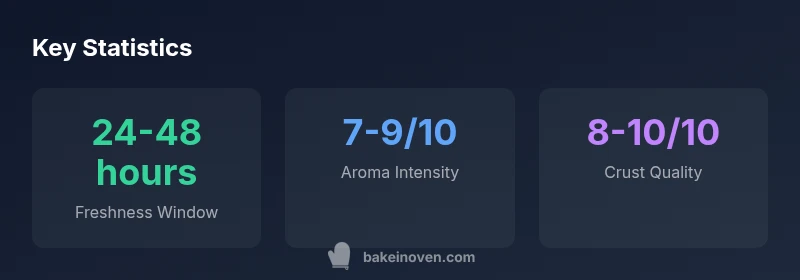
Fresh bread offers superior aroma, texture, and moisture. In most bread types, peak flavor occurs within 24-48 hours after baking. Understanding these timing cues helps you decide when to buy and how to store bread at home. For home bakers, knowing how stores and bakeries operate informs where to shop for the best crumb and crust.
Key factors include bake schedule, dough handling, and packaging. When a bakery can provide a visible turnover, you are more likely to walk away with bread that tastes like it just came from the oven. This section explains how to interpret freshness signals, and how to use them to compare nearby bakeries.
How to locate bakeries with daily turnover
To find fresh bread near me, start with simple online searches and map tools. Filter results by places that advertise daily baking or in-store slicing. Read customer reviews for mentions of aroma and crust. Call ahead to verify bake times and loaf availability. Local social media groups often highlight pop-up or daily-baked options from neighborhood bakeries.
Practical tip: visit during mid-morning, when most loaves fresh from the oven are on display. This gives you a realistic sense of what “fresh” means in your area.
Signs of fresh bread in-store
Look for a warm crust with a rich color and a crackled surface. An inviting yeasty aroma is a strong cue. Gently press a small piece of bread to feel a springy, moist crumb. Bread that’s been pre-sliced or left uncovered for hours will show dryness and a dull crust. Fresh bread is often still warm or slightly steam-filled when bagged.
Bread types and their freshness patterns
White and sandwich loaves typically have a shorter freshness window than sourdough and rye due to higher moisture content. Sourdough often has a longer shelf life, but crust development depends on baking temperature and steam. Whole-grain varieties can dry out faster if not stored properly. Knowing these patterns helps you pick the right loaf for immediate use or for storage.
Comparing freshness windows across bakeries
Bakery A may bake several times a day with a short window for fresh loaves, while Bakery B may deliver once daily. Grocery-store bread is often baked earlier in the day or the previous day, so ask staff about bake times and day-of availability. Compare crust color, aroma, and crumb texture across shops to gauge which location aligns with your freshness expectations.
Practical buying tips near me
Ask staff about bake times, turnover, and whether sales are cashed out as soon as loaves come out of the oven. If possible, observe the baskets and packaging—bread kept in open baskets is usually fresher than bread pulled from a sealed bag that sat on a shelf. Choose loaves with intact crust and a strong aroma.
Storage tips to maximize freshness
Store bread in a paper bag for 1-2 days to maintain crust and moisture balance. Avoid plastic bags for fresh bread unless you’re refrigerating or freezing. For longer storage, slice and freeze, then reheat in an oven to restore crust and aroma. Proper storage significantly extends the edible window.
Common myths about freshness
Myth: Refrigeration always keeps bread longer. Reality: it dries bread out and dulls flavor. Myth: Frozen bread loses quality forever. Reality: Freezing can preserve quality if bread is sliced and sealed well, then reheated to regain texture.
Quick ways to enjoy bread beyond fresh
Turn leftover bread into croutons, breadcrumbs, or French toast. Stale bread can be revived with a quick bake at a low temperature to refresh crust and crumb. Small slices are perfect for dipping into olive oil or soups, giving you a second life for bread.
Wrap-up: making an informed choice locally
Finding fresh bread near me is about knowing the bake schedules, trusting aromas, and evaluating crust and crumb. Prioritize bakeries with transparent turnover data and consistent daily baking to maximize your chances of fresh loaves.
Bread freshness indicators in retail settings
| Aspect | Freshness Indicator | Best Practice |
|---|---|---|
| Crust appearance | Golden brown with visible crack lines | Bake as close to purchase as possible, check aroma |
| Aroma | Yeasty, inviting scent within 24-48 hours | Smell before buying; avoid stale odors |
| Crumb texture | Springy, moist crumb when pressed lightly | Gently test a small piece before selecting |
| Storage cues | Dry crumb with a dull crust signals staleness | Store in a paper bag for short-term use |
| Overall freshness | Vibrant aroma and warm crust | Prefer loaves with strong aroma and crisp crust |
Frequently Asked Questions
What counts as fresh bread?
Fresh bread is typically bread baked within the last 24 hours and still warm or fragrant. Look for a lively aroma, a crusty exterior, and a springy crumb. If the loaf has been sitting in a display for hours, its freshness may be compromised.
Fresh bread usually means it was baked within the last day and still smells and feels warm. Check the crust and crumb for signs of recent baking.
How can I tell if bread was baked today?
Ask staff about bake times and the loaf’s age. A fresh loaf will smell strong, have a warm crust, and a moist crumb. If the bakery can’t confirm bake times, consider choosing another loaf.
Ask when it was baked; a warm crust and strong aroma are good indicators.
Is grocery store bread as fresh as bakery bread?
Bakery bread is often fresher due to daily turnover, but some grocery stores bake daily as well. Compare aroma, crust, and crumb, and consider visiting during peak freshness times.
Bakery bread tends to be fresher, but some stores do baking daily—check aroma and crust to compare.
Can frozen bread be as good as fresh?
Frozen bread can be good if thawed and reheated properly. Slice before freezing, seal well, and reheat to regain crust and aroma. Fresh bread remains superior for immediate eating.
Frozen bread can be tasty if you thaw and reheat properly; fresh is best when possible.
What should I look for in sourdough freshness?
Sourdough often has a robust aroma and a crust that crackles when pressed. The crumb should be springy with visible holes. Look for a tangy aroma without sour notes of age.
Sourdough should smell yeasty and have a crackly crust with a springy crumb.
How important is storage for freshness?
Storage affects texture and flavor more than you might expect. Use paper bags for 1-2 days, then consider freezing slices for longer storage. Avoid keeping bread in plastic for fresh loaves.
Storage matters—use paper bags for short-term freshness and freeze slices for longer use.
“Fresh bread near me hinges on reliable turnover and honest bakery practices. The Bake In Oven team recommends checking daily bake schedules and asking staff about when the bread was made.”
Key Takeaways
- Target bakeries that bake daily for the freshest loaves
- Evaluate crust, aroma, and crumb as freshness cues
- Ask about bake times and turnover when shopping
- Store bread properly to preserve texture and flavor
- Bake In Oven guides your freshness decisions with local-first insights