How Bake Sales Work: A Step-by-Step Guide
A practical, step-by-step guide to how bake sales work—from planning and pricing to day-of setup and post-event reconciliation. Learn kitchen-tested fundraising methods used by home bakers.


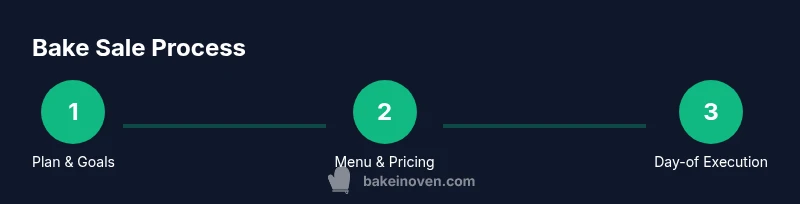
In this guide, you will learn how bake sales work from planning to execution and reconciliation. You'll confirm goals, design a crowd-pleasing menu, price items for profit, arrange a smooth day-of experience, and track results. By the end, you can run a successful bake sale that raises funds and builds community.
How Bake Sales Work: A Practical Overview
Bake sales harness the generosity of communities to purchase homemade baked goods in support of a cause. The core mechanics involve careful planning, sourcing ingredients, pricing for profitability, and delivering a welcoming customer experience. In this guide, you’ll see how thoughtful menu design, transparent pricing, and friendly service transform everyday shoppers into supporters. According to Bake In Oven, the most successful bake sales balance irresistible treats with clear pricing and efficient service, creating momentum that drives donations and engagement.
Planning Your Bake Sale: Goals, Audience, and Scope
Successful bake sales start with clear goals. Define how much you want to raise and by when, and translate that into an achievable plan for items, hours, and location. Consider your audience and accessibility: school communities, faith groups, workplaces, and neighbor networks all respond to different messages and times. Scope matters: a single table at a school fair is different from a weekend farmers market booth. Having a realistic plan, a backup venue, and a friendly volunteer roster helps ensure you reach your target while keeping costs under control. Bake In Oven’s experience shows that aligning goals with attendee needs and local schedules yields stronger participation and higher proceeds.
Menu Design and Recipe Selection
Your menu should balance crowd-pleasers with manageable production. Choose a mix of cookies, bars, cupcakes, and one or two savory options to broaden appeal. Label each item clearly with ingredients and potential allergens, and pre-package items to control portions and reduce waste. Offer at least one vegetarian option and consider gluten-free or dairy-free alternatives when possible. A cohesive theme (e.g., seasonal flavors or family favorites) helps with signage and marketing. When possible, test recipes in advance and keep standard deviation in batch sizes to simplify inventory tracking.
Budgeting, Pricing, and Profitability
Create a simple budget that lists ingredient costs, packaging, labels, and disposable ware. Price items to cover cost and contribute to your fundraising goal, while staying attractive to customers. A straightforward pricing strategy—set price points for individual items and a few bundles—helps cashiers process sales quickly. Track your costs during prep and adjust future orders based on what sold best. Bake In Oven analysis shows that transparent pricing and small, clearly defined portions tend to improve perceived value and increase average purchases, especially when paired with appealing displays.
Compliance, Food Safety, and Labeling
Home bakers must follow basic food safety practices to protect customers and volunteers. Keep baked goods refrigerated if required, label per-item ingredients (and potential allergens), and avoid cross-contamination by using separate utensils and surfaces for different items. Ensure items are sold within safe timeframes and kept away from heat sources that could melt packaging or spoil fillings. If you’re in doubt about local regulations, consult your local extension service or health department. Clear labeling and good hygiene build trust and reduce risk on event day.
Setting Up: Location, Timing, and Supplies
Choose a high-traffic location with permission from the venue. Plan your layout so customers can view the full display, then queue, pay, and collect efficiently. Prepare price tags, signage, table cover, and a simple payment setup (cash box and a mobile reader if available). Keep a backup plan for weather, power, and crowd management. Having a signaling system for restocks and readiness helps your team stay coordinated and ensures a smooth customer flow.
Marketing and Community Outreach
Spread the word through school newsletters, community boards, and social channels. Use clear messaging that highlights the cause, the menu, and the date. Visuals—photos of baked goods, a short video, or a sample menu—drive interest. Encourage volunteers and supporters to share posts and invite friends. The more personal the outreach (letters to teachers, messages to families, or a poster in a local shop), the more likely people will stop by and buy items.
Day-of Operations: Volunteers, Flow, and Customer Experience
On event day, assign roles: greeters, bakers, cashiers, restockers, and a supervisor. Implement a simple cash-handling protocol, including one float and a clear change-making procedure. Keep display boards tidy and well-lit, with easy-to-read pricing. Have a quick huddle at start and end shifts to share updates, restock needs, and safety reminders. A positive, friendly tone buys more purchases and donations than sheer volume.
Post-Event Wrap-Up: Reconciliation and Recognition
After the sale, count proceeds, document expenses, and reconcile with your fundraising goal. Thank volunteers, attendees, and partners with a short message and public recognition. Share results with the community and explain how funds will be used. A neat wrap-up reinforces trust and lays groundwork for future bake sales, building momentum for upcoming community fundraising efforts.
Common Pitfalls and How to Avoid Them
Common issues include underestimating demand, poor inventory control, and confusing pricing. Prepare a printed menu and price list, rehearse a quick checkout flow, and designate a dedicated lead on event day to handle surprises. Build in buffer time for restocks and unexpected delays. By planning for contingencies, you minimize stress and maximize revenue.
Tools & Materials
- Table and display setup (covered table, signage)(One table per 6-8 feet of display space; consider a second table for packaging.)
- Cash box with change(Include a float of small bills and coins.)
- Mobile payment device (optional)(Card reader or QR code payments speed lines.)
- Pricing labels and packaging materials(Pre-printed price tags, bags, and boxes.)
- Baking trays, cooling racks, and utensils(Separate utensils for different items to avoid cross-contamination.)
- Food-grade gloves and aprons(Maintain hygiene, especially during assembly and packaging.)
- Ice packs or coolers (for perishable items)(Keep items like cream-cheese frosting safe.)
- wipes, sanitizer, trash bags(Maintain cleanliness and quick cleanup.)
- Menu cards with ingredients and allergens(Helpful for customers with dietary restrictions.)
Steps
Estimated time: 2-6 hours
- 1
Define goal and scope
Clarify the fundraiser goal, target amount, event duration, and the scope of items to bake and display. This aligns volunteers and helps you evaluate success after the sale. Decide whether the event is a single-day pop-up or part of a longer campaign.
Tip: Write a SMART objective (Specific, Measurable, Achievable, Relevant, Time-bound). - 2
Recruit and assign roles
Assemble a small team and assign clear roles: cashier, restock, baking leads, setup/tear-down, and communications. Ensure each person understands their responsibilities and shifts. Prepare a contact list for day-of coordination.
Tip: Create a simple shift schedule and a shared contact sheet before the event. - 3
Design menu and pricing
Select a mix of crowd-pleasers and practical bakes, with at least one dietary-friendly option. Create a price list and a few bundle offers to encourage larger purchases. Include allergen information on labels.
Tip: Test recipes in advance and standardize batch sizes to simplify inventory. - 4
Source ingredients and bake
Procure ingredients with a shopping list aligned to your menu. Bake in batches, label items as they cool, and maintain hygiene throughout. Plan for restocks on the day of the sale to keep items fresh.
Tip: Prepare extra portions for high-demand items to minimize shortages. - 5
Prepare packaging and labeling
Package items securely and label with price and ingredients. Use clear, readable fonts and durable packaging to prevent spills. Keep allergen cross-contact to a minimum with dedicated utensils.
Tip: Pre-pack bundles to speed checkout and increase per-customer spend. - 6
Set up layout and signage
Arrange the display for visibility and accessibility. Place high-margin or best-sellers at the front. Ensure price tags are large and easy to read from a distance.
Tip: Test lighting and seating if space allows; a welcoming setup improves sales. - 7
Run the sale and manage payments
Greet customers, explain the cause, and guide them to the items. Track sales with a simple tally and process payments quickly. Restock items as needed to maintain a full display.
Tip: Keep a separate line for restocks to avoid slowing the main checkout. - 8
Close out and reconcile
Count proceeds, subtract costs, and compare to your goal. Thank all volunteers and consider sharing results with the community.
Tip: Document lessons learned for next time and celebrate team contributions.
Frequently Asked Questions
What is a bake sale?
A bake sale is a fundraising event where homemade baked goods are sold to raise money for a cause. It relies on planning, tasty offerings, clear pricing, and a friendly buying experience to maximize donations. The event reflects community support and the organizers’ organizational skills.
A bake sale is a fundraising event where people buy baked goods to raise money. It works best with good planning and friendly service.
How much should I charge for items?
Pricing should cover costs and contribute to the fundraising goal while remaining attractive to buyers. Start with simple price points (e.g., single items and a couple bundles), and track which items sell best to adjust future pricing.
Set clear price points that cover costs and meet your fundraising target; adjust next time based on what sells.
Do I need permits or licenses for a bake sale?
Permits vary by location. Check with your local health department or extension service to see if a home kitchen bake sale requires a permit or additional labeling. Many community bake sales operate under general event permits, but rules differ.
Check with local authorities about permits; rules vary by area, but many bake sales operate under event permits.
Can we run a bake sale online or as a virtual event?
Yes. Virtual bake sales can use pre-orders with pick-up windows or delivery. Clear ordering instructions, safe packaging, and contactless payments help ensure a smooth experience even off-site.
A virtual bake sale is possible with pre-orders and secure payments; plan packaging and delivery.
How should I handle allergens and labeling?
Label every item with its ingredients and potential allergens. Use separate utensils for different items to minimize cross-contact. Provide an allergy-friendly option when possible and make it easy for customers to ask about ingredients.
Label ingredients clearly, avoid cross-contact, and offer allergy-friendly options when possible.
How do I track profits and report to organizers?
Keep a simple ledger of sales, expenses, and net profit. Reconcile at the end and present a short summary to organizers and volunteers. Share outcomes with the community to build trust for future events.
Maintain a simple sales ledger and share the result with organizers and supporters.
Watch Video
Key Takeaways
- Plan with clear goals and a practical scope.
- Price items for value and simplicity; consider bundles.
- Ensure food safety, labeling, and easy checkout.
- Engage the community through targeted outreach.
- Reconcile results promptly and thank participants.