How Long to Bake a Brisket in the Oven: A Step-by-Step Guide
Learn how long to bake a brisket in the oven with confidence. This step-by-step guide covers temps, times, doneness tests, resting, and troubleshooting for tender, flavorful results.


Understanding Brisket Anatomy
Brisket comes from the chest of the cow and contains two main muscle groups: the point cut and the flat cut. The point is fattier and more forgiving, while the flat is leaner and can dry out if overcooked. For oven-baking, many cooks favor the flat for uniform slices, while the point adds flavor when left intact during braising. By understanding the meat’s structure, you can tailor your cooking approach and timing.
According to Bake In Oven, recognizing marbling and fat distribution helps you choose the right brisket and plan for moisture retention. A modest fat cap acts as a natural basting mechanism during long bakes, but you’ll want to trim excess fat so the rub and any braising liquid can penetrate the meat. This balance determines tenderness and texture as the internal temperature rises.
Key Variables That Change Bake Time
Several factors influence how long it takes to bake a brisket in the oven. Weight and thickness are the most obvious: a 4–6 lb brisket will cook differently than an 8–12 lb piece. The chosen oven temperature matters too; a steady 275°F (135°C) is a common starting point that yields a tender result without scorching the exterior. If you go higher, plan for shorter times but risk drying the meat.
Dry rub vs braising liquid changes moisture dynamics. A dry rub promotes a crust; braising liquid keeps the surface moist and can speed up tenderization if you keep the liquid at a gentle simmer inside the covered pan. Rest time after removing the meat is essential: carryover cooking will continue to raise the internal temp by about 5–10°F while the meat rests.
Bake In Oven analysis shows that a properly rested brisket is visibly juicier and easier to carve, with more consistent slices across the muscle groups. Plan for a total window of roughly 1.5–2 hours per pound at your chosen temp, plus a rest.
Prepping Brisket for Oven Baking
Start with a good-quality brisket, ideally a 4–6 lb piece. Remove excess fat cap, leaving a thin layer to protect moisture. Pat dry, then rub with a balanced mix of salt, pepper, paprika, garlic powder, and a touch of sugar to help caramelization. Let the meat stand at room temperature for 30–60 minutes before cooking for even heat penetration. If you prefer, you can marinate overnight, but a dry rub is simpler and effective.
Place a rack in a roasting pan and add enough beef stock, water, or a bit of beer to cover the bottom by about 1/2 inch. The liquid will baste the brisket during baking and help maintain moisture. Preheating the oven while you prepare the meat saves time and ensures the cooking environment is stable from the start.
Oven Bake Methods: Dry Rub vs. Braise
There are two common paths to oven-baked brisket: dry rub with slow roasting and braising with liquid. The dry rub method creates a crusty bark, focusing on surface flavor and gradual tenderness as internal collagen breaks down. The braise method uses liquid (stock, beer, or broth) to create a moist environment that braises the muscle, often producing very fork-tender results. You can combine both: a light rub, then add liquid and cover tightly to trap steam. Whichever method you choose, monitor the level of liquid to avoid a soupy braising environment.
Because vegetables and aromatics (onion, garlic, bay leaf) can seep in flavor, you can add aromatics to the braising liquid for extra depth.
Step-by-Step: Oven-Baked Brisket
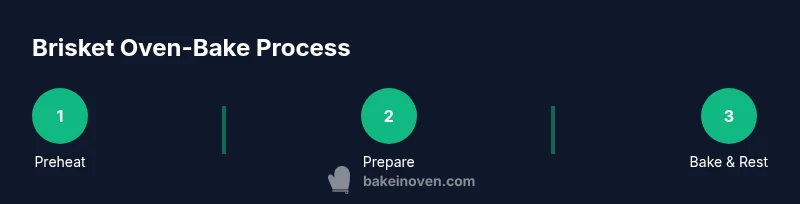
In practice, you’ll follow a hands-on sequence that gradually transforms a tough cut into a luscious, sliceable feast. Start by preheating your oven to 275°F and preparing your brisket as described above. If you like a crust, you can sear the meat quickly in a hot pan for 2–3 minutes per side before returning it to the roasting setup. Transfer the brisket to the prepared pan, add braising liquid if you’re braising, and cover tightly with foil. Bake until tender, then check with a thermometer. The goal is an internal temperature in the 195–205°F range for fork-tender texture, not a hot, dry finish. After cooking, let the meat rest before slicing to preserve juices.
Testing for Doneness and Resting
The most reliable test for brisket is a fork-tender check: a fork or probe should slide into the meat with minimal resistance, and the internal temperature should hover around 195–205°F. Carryover cooking will push the temp up slightly after removing from the oven, so plan to remove when it’s just below the final target. Rest the brisket, tightly tented with foil, for 20–30 minutes. Resting is essential to reabsorb juices and finish tenderizing. When you slice, cut across the grain in thin, even slices to maximize tenderness and moisture.
Troubleshooting Common Issues
- Meat is tough: It likely needs more time and low heat; extend bake time and check tenderness every 30–60 minutes.
- Meat is too dry: Increase braising liquid or cover sooner to trap moisture; consider finishing with a light glaze or drizzle of pan juices.
- Exterior is burnt while interior is undercooked: Lower oven temperature a bit and ensure even heat distribution; use a thermometer to guide decisions.
- Resting time too short: Always rest for at least 20 minutes; rest longer if possible.
- Storage and reheat: Refrigerate sliced brisket in its juices; reheat gently in a low oven to preserve moisture.
Variations and Make-Ahead Options
-
Make-ahead: Brisket can be cooked, cooled, sliced, and frozen; reheat slowly in a covered pan with a splash of beef broth.
-
Oven-to-table: Slice across the grain after resting for easy serving.
-
Flavor twists: Try different rubs (chipotle, cumin) or add coffee to the braising liquid for a deeper crust.
-
Vegetables: Add onions and carrots to the braising liquid for a one-pot meal.