How to Bake a Cake: A Complete Step-by-Step Guide
Learn the essential steps to bake a cake from scratch with this practical, kitchen-tested guide from Bake In Oven. Discover ingredients, mixing techniques, baking times, and decorating tips for bakery-worthy results.


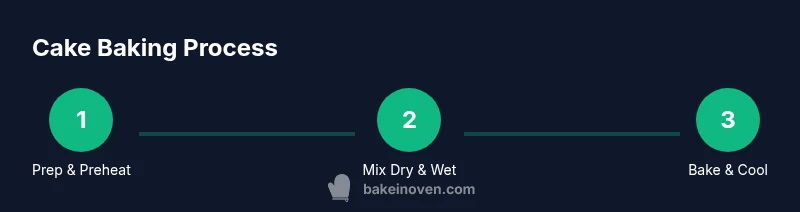
How to bake a cake from scratch: this quick answer outlines essential ingredients, equipment, and the 5 core steps to a light, tender crumb. Start with accurate measurements, prepare your pan, mix the batter properly, bake at the right temperature, and test for doneness. Bake In Oven guides home bakers toward reliable, kitchen-tested results.
Equipment and Tools for Baking a Cake
Having the right tools makes cake baking smoother and more enjoyable. You'll want a digital kitchen scale for accurate measurements, a sturdy mixer or a reliable whisk, mixing bowls, a 9-inch round cake pan (or two for layered cakes), parchment paper, a cooling rack, spatula, and an oven thermometer to verify your oven’s true temperature. According to Bake In Oven, investing in dependable tools saves time and reduces errors. A dedicated bowl for baking helps keep ingredients organized and cross-contamination to a minimum, while a good spatula lets you mix and fold with control.
Essential Ingredients and Substitutions
A successful cake starts with quality ingredients and thoughtful substitutions when needed. Use all-purpose flour for a balanced crumb, granulated sugar for sweetness and structure, unsalted butter or neutral oil for moisture, eggs for structure and lift, and a leavening agent such as baking powder. For dairy-free baking, swap milk with almond or soy milk and use dairy-free butter. Vanilla extract adds warmth, and a pinch of salt enhances flavor. If dietary needs demand, you can use applesauce or yogurt in place of fat in some recipes, though texture and rise may vary slightly.
Step-By-Step Mixing Method for a Tender Crumb
A tender crumb starts with how you combine ingredients. Begin by whisking dry ingredients (flour, sugar, baking powder, salt) to distribute leavening evenly. In a separate bowl, cream butter and sugar until pale and fluffy, which traps air for a lighter cake. Add eggs one at a time, beating well after each addition, then mix in vanilla. Alternately add dry ingredients and wet liquid (milk) in 2-3 additions, starting and ending with dry, mixing just until blended to avoid a dense crumb.
Baking Time, Temperature, and Pan Considerations
Preheat to 350°F (175°C) as a standard starting point, but always check your recipe. Proper pan preparation—greasing and lining with parchment—ensures clean release and even browning. Bake on the center rack, rotate halfway if your oven runs hot on one side, and start testing for doneness with a toothpick or cake tester around the 25- to 35-minute mark. Ovens vary, so use your tester as the final judge rather than the clock alone.
Cooling, Filling, and Decorating Basics
Cool cakes in the pan for 10-15 minutes to settle and avoid breaking, then transfer to a cooling rack to finish. If layering, ensure each layer is level before assembly. Fill with simple options like buttercream, jam, or ganache, and frost with a thin crumb coat before the final layer. For best results, let the cake cool completely before applying final decorations to prevent melting and sliding.
Troubleshooting Common Cake Problems
If your cake sinks in the middle, verify your leavening and ensure you didn’t overmix the batter. A dry crumb often results from overbaking or using too much flour; try measuring by weight and reducing bake time slightly. Large air pockets can form from rushing mixing or improper leveling; tap the pan to release trapped air and spread batter evenly. Cracking on top can come from oven temperature too high or pan placement.
Recipe Variations and Dietary-Friendly Options
Experiment with flavors by adding zest, spices, cocoa, or coffee to the batter. For dairy-free or vegan cakes, use plant-based milk and oil or applesauce for moisture. Gluten-free options can use almond or rice flour, but expect a different texture. Frostings can be adapted with coconut cream, dairy-free butter, or whipped aquafaba to suit dietary needs, while still offering a delicious finish.
Practice and Confidence-Building in Cake Baking
Baking a cake well comes with practice. Start with a simple vanilla or chocolate base and small, repeatable changes (like vanilla vs. almond extract) to understand how each tweak affects texture and flavor. Keep notes on times, temperatures, and ingredient brands that work best for you. With each bake, you’ll gain precision and confidence—key ingredients for any home baker.
Tools & Materials
- All-purpose flour(Measured by weight if possible; sifted for accuracy)
- Granulated sugar(Creams well with butter for light texture)
- Unsalted butter or neutral oil(Room-temperature butter helps with creaming)
- Eggs (large)(Add one at a time for emulsion)
- Baking powder(Leavening agent; ensure freshness)
- Milk or dairy-free alternative(Liquid that binds batter)
- Vanilla extract(Adds warmth and aroma)
- Salt(Enhances flavor)
Steps
Estimated time: 60-90 minutes
- 1
Preheat and pan prep
Preheat your oven to 350°F (175°C). Grease the pan with butter or oil and line with parchment for clean release. This step prevents sticking and ensures even rising.
Tip: Dust the sides with a little flour after greasing to help release the cake. - 2
Whisk dry ingredients
Sift flour, baking powder, and salt together to distribute leavening and remove clumps. This creates a uniform crumb.
Tip: Sifting also aerates the flour, which can improve rise. - 3
Cream butter and sugar
Beat butter and sugar until pale and fluffy, at least 2-3 minutes. This creates small air pockets that help the cake rise and stay tender.
Tip: Scrape down the sides midway to ensure even creaming. - 4
Add eggs one at a time
Add eggs one at a time, beating well after each addition to form an emulsion. Add vanilla with the final egg.
Tip: If mixture looks curdled, add a spoonful of dry ingredients to rebind. - 5
Alternate with dry and wet ingredients
With the mixer on low, add dry ingredients and milk in 2-3 additions, starting and ending with dry. Mix just until blended.
Tip: Overmixing creates gluten that can toughen the crumb. - 6
Bake and test for doneness
pour batter into prepared pan; bake until a toothpick comes out with a few moist crumbs. Rotate pan halfway for even baking.
Tip: Avoid opening the oven door too often; temperature fluctuations stall rising. - 7
Cool briefly in pan, then on rack
Let the cake rest in the pan for 10-15 minutes before turning onto a cooling rack. This helps set the structure.
Tip: Cooling on a rack prevents condensation and soggy bottoms. - 8
Fill and frost after fully cooled
If layering, level each layer before filling. Apply a thin crumb coat first, then final frosting after complete cooling.
Tip: Chill the cake between coats to keep edges sharp.
Frequently Asked Questions
How long does it take to bake a cake?
Most standard cakes bake in about 25-35 minutes at 350°F (175°C). However, baking times vary with pan size and oven. Always test with a toothpick for doneness.
Most standard cakes bake in about 25 to 35 minutes at 350 degrees, but check with a toothpick to be sure.
Should eggs be at room temperature?
Yes, room-temperature eggs mix more evenly and trap air better, helping with a smoother batter and even rise.
Yes, room-temperature eggs mix more evenly and help with a smoother batter.
Can I bake without a mixer?
Absolutely. You can cream butter and sugar with a whisk by hand, though it takes longer and may require more effort to achieve the same texture.
Yes, you can mix by hand with a whisk, but it takes longer to reach the same consistency.
How do I know when a cake is done?
Insert a toothpick in the center; it should come out with a few moist crumbs, not wet batter. If it clings, bake a bit longer and re-test.
Use a toothpick to test; it should come out with a few crumbs, not wet batter.
Can I substitute ingredients for dietary needs?
Yes, many substitutions exist (milk alternatives, plant-based fats, gluten-free flours). Expect slight changes in texture and flavor, and adjust accordingly.
Yes, there are substitutes, but texture and flavor may change a bit.
How should I store a baked cake?
Store covered at room temperature for 2-3 days, or refrigerate/freeze for longer storage. Frosting stability depends on the recipe.
Store covered at room temperature for a few days, or refrigerate for longer.
Watch Video
Key Takeaways
- Measure precisely for consistent results
- Prepare pans and preheat before mixing
- Avoid overmixing to keep a tender crumb
- Bake on center rack for even heat
- Cool completely before frosting to prevent sliding