How to Bake a Steak: A Step-by-Step Oven Guide
Learn how to bake a steak in the oven with a sear-for-crust method, timing by thickness, and thermometer-guided doneness, guided by Bake In Oven for home bakers seeking reliable, delicious results.


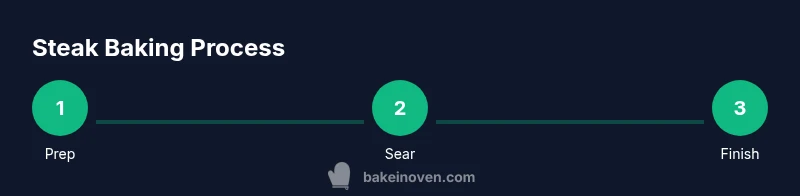
Goal: bake a steak in the oven with a perfect crust and even doneness. Start with a room-temperature, well-seasoned steak, sear it in a hot skillet for 1–2 minutes per side to build crust, then transfer to a preheated oven (450°F/230°C) and finish until the internal temperature hits your target (135°F for medium-rare, 145°F for medium). Rest 5–10 minutes before slicing.
Why oven-baked steak works
Oven-baked steak works because it combines a high-heat sear with the even, controlled heat of the oven to finish the cook. According to Bake In Oven, this method yields a crusty exterior and a juicy interior when you manage surface moisture, seasoning, and temperature precisely. The Maillard reaction from the sear creates flavor-rich browning, while the oven finish ensures the center is evenly heated without overcooking the edges. For thicker cuts, this approach reduces the risk of a dry exterior while still delivering a uniform pink interior. The method is forgiving enough for home cooks who want predictable results and a great crust without babysitting a grill.
To maximize crust formation, use a heavy skillet—ideally cast iron—and make sure the pan is very hot before laying down the steak. Preheat your oven to a high setting and begin with a quick, strategic sear on the stove to jump-start browning. After the oven finish, rest the steak briefly to allow juices to redistribute, producing slices that stay moist and flavorful. If you prefer a nearly hands-off finish, you can increase the oven time slightly and still achieve a pleasing crust with careful temperature control.
Choosing the right cut and seasoning
Choosing the right cut and proper seasoning are foundational for a successful bake. Look for steaks that are 1 to 1.5 inches thick with visible marbling, which adds flavor and keeps the meat juicy during the oven finish. Classic choices include ribeye, sirloin, and filet mignon, each offering a different texture profile. Salt is your best friend here: generously season the surface and allow time for the salt to penetrate—40 minutes to an hour if possible helps enhance flavor without drawing out too much moisture. Pepper is essential, and a simple rub of garlic, paprika, and dried herbs can elevate aroma without overpowering the beef. If you have limited time, a light coat of oil and a dusting of salt and pepper will still yield a good crust thanks to the high heat. Remember, simple seasoning lets the steak’s natural flavors shine.
Prep and equipment setup
Before you cook, set up a clean, organized station. Remove the steak from the refrigerator 30–60 minutes before cooking to reduce the temperature gap between the exterior and interior. Pat the surface dry with paper towels—the drier the surface, the crisper the crust. Preheat the oven to 450°F (232°C) and place a rack in the middle of the oven. Preheat a heavy skillet on the stovetop over medium-high heat until it is very hot and shimmering. Have a digital thermometer handy to monitor internal temperature, and consider lining a sheet pan with parchment for easier cleanup if you’re finishing the steak entirely in the oven. The goal at this stage is to ensure even browning and minimal surface moisture so the steak develops a beautiful crust.
Searing for crust: technique and timing
Searing is where the flavor starts. Use a high-smoke-point oil (like canola or grapeseed) and swirl it in the hot skillet to coat the bottom. Place the seasoned steak in the pan and resist the urge to move it for 1–2 minutes on the first side, then flip and sear the other side for another 1–2 minutes. The goal is a deep, even browning rather than quick charring. If you’d like to build a bit more crust along the edges, twist the steak on its sides and sear for 15–30 seconds per side. Pro tip: press the steak gently against the pan to maintain contact and maximize crust formation.
Finishing in the oven: timing by thickness
After searing, transfer the skillet to the oven to finish cooking. General guidelines by thickness: about 4–6 minutes for 1 inch, 6–8 minutes for 1.5 inches, and 8–12 minutes for 2 inches. Use a digital thermometer to monitor progress and pull the steak when it’s within 5°F of your target doneness to account for carryover cooking. Target internal temperatures are roughly 125–130°F for rare, 135°F for medium-rare, 145°F for medium, and 155°F for well-done. Remember that resting after cooking will raise the final temperature slightly.
Resting and slicing for best texture
Resting is essential to keep juices from running out when you cut. Remove the steak from heat and let it rest loosely covered with foil for 5–10 minutes. This pause allows the muscle fibers to reabsorb juices and become more tender. After resting, slice the steak against the grain to maximize tenderness. If you want clean, even portions, use a sharp chef’s knife and a gentle sawing motion rather than forcing through the meat.
Troubleshooting common issues
If the steak finishes undercooked, return it to the oven for a few minutes and check temperature again, avoiding overcooking on the second pass. If the exterior is browned but the interior remains too pink, your oven temperature may be too low or the steak too thick for the time allotted. Oversalting can cause an overly salty finish; if this happens, rinse the surface quickly under cold water and pat dry before continuing. A dry crust means the surface moisture was not fully evaporated, so ensure thorough patting and air-drying during prep.
Flavor variations and serving suggestions
Enhance the basic bake with finishing flavors. A pat of herb butter or a garlic-parsley compound butter melted on top adds richness. A peppercorn crust or a dusting of smoked paprika can introduce warmth and aroma. Serve with simple sides like mashed potatoes, roasted vegetables, or a bright salad to balance the richness of the beef. A squeeze of lemon or a drizzle of olive oil right before serving can lift flavors and cut through fat.
Safety, cleaning, and storage tips
Always handle hot skillets with oven mitts and keep children away from the cooking area. After cooking, clean the pan thoroughly to remove any browned bits that can burn in future uses. Refrigerate leftovers within two hours in shallow containers for faster cooling, and use within 3–4 days for best quality. For longer storage, steak can be frozen, but freezing can affect texture; wrap tightly and label with date to monitor freshness.
Tools & Materials
- Cast-iron skillet (12-inch preferred)(Heavy, oven-safe, and seasoned for best crust; preheat before searing.)
- Digital meat thermometer(Target internal temps; avoid guesswork.)
- Tongs(To flip without piercing the meat.)
- Oven-safe rack and sheet pan (optional)(Useful if finishing without a skillet in the oven.)
- Parchment paper or foil(For easier cleanup if you’re finishing on a sheet pan.)
- Paper towels(Dry the surface thoroughly for crust formation.)
- Sharp chef’s knife(For clean, precise slicing after resting.)
Steps
Estimated time: 40-60 minutes
- 1
Prepare steak and equipment
Take the steak out 30–60 minutes before cooking to reduce the temperature gap. Pat dry the surface thoroughly and arrange your tools within reach: skillet, tongs, thermometer, and oven mitts. Preheat the oven to 450°F (232°C) and place a rack in the middle. The goal is to start with a dry surface and have everything hot and ready for a quick, even finish.
Tip: Letting the meat approach room temperature helps the center finish evenly. - 2
Season generously
Season the steak on all sides with salt and pepper, and add a light rub if desired (garlic, paprika, and herbs work well). If you have time, season 40 minutes to an hour ahead so salt can penetrate. Wipe away any surface moisture that released after the wait to encourage a crisp crust.
Tip: Salt enhances flavor and helps form the crust when dry. - 3
Preheat pan and surface
Place the cast-iron skillet on the stove over medium-high heat and let it get very hot. Add a small amount of high-smoke-point oil just before the steak goes in. The pan should shimmer but not smoke excessively. A hot surface creates the best crust.
Tip: Oil should shimmer; if it smokes heavily, reduce heat slightly. - 4
Sear for crust
Lay the steak in the hot skillet and resist the urge to move it for 1–2 minutes to develop a deep brown crust. Flip and sear the other side for another 1–2 minutes. If you want crisp edges, tilt the pan and baste the sides for 15–30 seconds each. This step builds flavor and color.
Tip: Press the steak gently to ensure full contact with the pan. - 5
Finish in the oven
Transfer the skillet to the oven to finish cooking. Cook times depend on thickness: about 4–6 minutes for 1 inch, 6–8 minutes for 1.5 inches, and 8–12 minutes for 2 inches. Use a thermometer to check progress and pull when within 5°F of your target.
Tip: Carryover heat will continue cooking after removal. - 6
Check internal temperature
Monitor with a digital thermometer; aim for approximately 125–130°F for rare, 135°F for medium-rare, 145°F for medium, or as desired. Remove the steak 5°F below your target to account for carryover cooking.
Tip: Don’t rely on color alone—temperatures guide doneness more reliably. - 7
Rest the steak
Transfer the steak to a plate and rest for 5–10 minutes, loosely tented with foil. Resting allows juices to redistribute, resulting in a juicier slice. Slice against the grain to maximize tenderness.
Tip: Resting is as important as cooking for texture. - 8
Slice and serve
Slice the steak across the grain into even pieces. Arrange on plates and serve with your preferred sides. If you want extra flavor, finish with a tiny pat of butter or a drizzle of olive oil.
Tip: A quick drizzle of olive oil can brighten the beef’s natural flavors.
Frequently Asked Questions
Can I bake a steak without searing first?
You can finish in the oven with good browning if you use a hot oven and allow for surface browning, but searing first reliably creates a deeper crust and richer flavor. Without searing, you may lose some crust and aroma.
You can skip the sear, but you’ll miss out on a fuller crust and aroma.
What is the best internal temperature for steak?
Common targets are about 125–130°F for rare, 135°F for medium-rare, 145°F for medium, and 155°F for well-done. Resting will raise the temperature slightly. Use a thermometer for best accuracy.
Aim for around 135°F for medium-rare or 145°F for medium, then rest.
Can I cook from frozen?
Cooking from frozen results in uneven doneness; it’s best to thaw the steak before baking for even browning and predictable results.
Better to thaw first for even cooking.
Is resting essential after baking?
Yes. Resting for 5–10 minutes lets juices redistribute and improves tenderness. Slice after resting to preserve juiciness.
Resting helps keep juices in the meat.
What tools help most for this method?
A heavy skillet (cast iron) for searing, a digital thermometer for doneness, and a sturdy spatula or tongs for handling the steak safely.
A cast-iron skillet and thermometer are your best friends for this method.
Watch Video
Key Takeaways
- Searing followed by oven finish yields crust and juicy interior
- Thick cuts benefit most from this method due to even heat distribution
- Temperature control and resting are essential for perfect doneness
- Salt and dry surfaces are vital for crust formation
- Use a thermometer for reliable doneness over time estimates