How to Bake Already Cooked Spaghetti: A Simple Guide
Learn how to bake already cooked spaghetti into a comforting casserole. This step-by-step guide covers prep, moisture, cheese, timing, and serving tips for a delicious result.


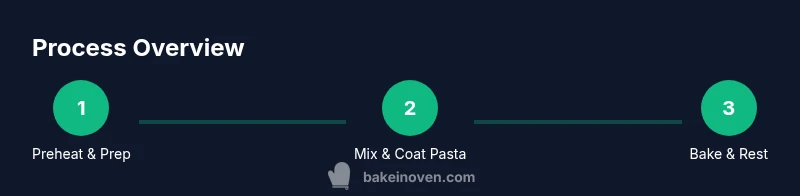
Bake already cooked spaghetti by combining with your sauce, cheese, and optional add-ins in a shallow dish. Preheat to 350–375°F, bake covered 15–20 minutes, then uncover for 5–10 minutes until bubbling and lightly browned. Let rest 5 minutes before serving for best texture.
How to Transform Leftover Spaghetti into a Baked Dish
If you have leftover spaghetti and want to turn it into a comforting bake, learning how to bake already cooked spaghetti can save time and reduce waste. The technique is forgiving and adapts to your pantry. According to Bake In Oven, the key is to preserve moisture, complement flavors with a simple sauce, and finish with a bubbly, lightly browned top. This guide walks you through the steps, from prep to serving, with kitchen-tested tips. The idea is practical, approachable, and scalable for small dinners or larger gatherings. By starting with cooked spaghetti you cut prep time dramatically, so you can focus on flavors and texture that make a weeknight meal feel special.
A core principle is hydration: you want enough moisture so the dish stays tender but not soggy. Use sauce as the binding agent, scatter cheese for a creamy top, and consider small add-ins like sautéed vegetables or cooked protein to boost flavor without overwhelming the pasta. When you know how to bake already cooked spaghetti, you can customize the bake based on what you have on hand.
Moisture, Sauce, and Cheese: The trio that Makes it Work
The baked spaghetti relies on three components working in harmony. Sauce provides moisture and flavor; cheese creates a bubbly, browned crust; and the pasta needs enough surface area contact with liquid to heat through without drying out. A light, tomato-based sauce works well for a cozy texture, while a small splash of pasta water added during mixing helps bind the sauce to the pasta. If you prefer a richer finish, a touch of cream or a sprinkle of shredded mozzarella can elevate the creaminess without making the dish heavy. Bake in a wide, shallow dish to promote even heat and faster bubbling, which helps set the edges and keep the center soft and saucy.
Flavor Variations and Add-Ins for Different Diets
Leftover spaghetti is versatile. For a vegetarian option, add sautéed mushrooms, spinach, and bell peppers with a garlic-olive oil base. For meat lovers, fold in browned ground beef or turkey, or incorporate shredded chicken. Herbs like oregano, basil, and parsley brighten the dish. For dairy lovers, try a blend of ricotta and parmesan for a creamy texture, or finish with a golden crust of mozzarella. If you’re using whole-wheat pasta, consider a touch more sauce to compensate for the nuttier texture. The goal is a balanced bake that suits your taste preferences while keeping the natural spaghetti flavor intact.
Safe Handling, Reheating, and Serving Guidelines
Safety starts with handling leftover pasta properly. Keep cooked spaghetti refrigerated within two hours of cooking and reheat to an internal temperature of 165°F (74°C) to ensure safety. When baking, ensure the sauce is evenly distributed so every bite stays moist. Use oven mitts when removing hot cookware, and place the dish on a heat-resistant trivet to prevent a cold counter from absorbing heat. Serving tips: let the bake rest for 5–10 minutes after coming out of the oven to finish setting, then slice and serve with a crisp green salad or steamed vegetables for balance.
Practical Troubleshooting and Common Mistakes
If your bake turns out dry, it likely needs more moisture or a longer bake time with covered cooking. If it’s soggy, you may have used too much sauce or overfilled the dish; next time try a shallower dish or reduce the sauce slightly. Burnt edges usually mean the top layer is too thick relative to the interior; tent with foil during baking and uncover only for the final minutes. For extra safety, check that your oven temperature is accurate with a reliable thermometer. Small changes in pan size, sauce thickness, and cheese yield noticeable differences in texture and flavor.
Authorities and Sources for Home Bakers
This section provides reputable references you can consult for food safety and cooking guidelines.
- FDA: Food Safety and Inspection Service — guidelines on safe cooking and handling of prepared foods. https://www.fda.gov
- USDA: Food Safety and Inspection Service — safe reheating temperatures and best practices for reheated leftovers. https://www.usda.gov
- Extension Services (educational resources) — practical guidance for home cooks, kitchen measurements, and recipe adaptation. https://extension.harvard.edu
Tools & Materials
- Cooked spaghetti(Measured portions, previously cooked and cooled slightly for handling)
- Tomato or cream sauce(Enough to evenly coat pasta in the baking dish)
- Cheese (parmesan, mozzarella, or a mix)(Shredded; 1-2 cups depending on dish size)
- Oven-safe baking dish(Shallow, wide dish recommended (about 2–3 inches deep))
- Optional add-ins (vegetables or meat)(Sautéed mushrooms, peppers, spinach, or cooked ground meat)
- Pasta water or milk(A splash to adjust moisture if needed)
- Foil(To cover during the initial bake for moisture retention)
- Oven mitts(Heat-resistant gloves for safety)
Steps
Estimated time: 40-60 minutes
- 1
Preheat and prep
Preheat the oven to 350–375°F (175–190°C). Gather the ingredients, lightly oil the baking dish, and have a large mixing bowl ready. The goal is to create a smooth, even coating for the pasta so moisture is preserved during baking.
Tip: Preheating ensures even cooking from edge to center. - 2
Combine spaghetti with sauce
In a large bowl, toss the cooked spaghetti with your sauce until every strand is lightly coated. If using additional dairy (cream or ricotta), fold it in now for extra creaminess. This step prevents dry pockets after baking.
Tip: Add a small splash of pasta water if the sauce seems thick. - 3
Season and add mix-ins
Season the mixture with salt, pepper, and any herbs you like. Fold in vegetables or cooked meat if using. This keeps the dish balanced and prevents one-note flavor.
Tip: Even distribution of add-ins avoids clumps of flavor. - 4
Transfer to baking dish
Spread the mixture evenly in a shallow, wide baking dish to promote uniform heating. Press down gently to compact it slightly without squashing the pasta.
Tip: A uniform layer helps heat reach every bite. - 5
Top and cover
Sprinkle grated cheese over the top and cover the dish with foil. The foil traps moisture and protects the top from burning while the inside heats through.
Tip: Use foil during the main bake for moisture retention. - 6
Bake, uncover, and rest
Bake 25–35 minutes (depending on depth and amount). Remove foil for the last 5–10 minutes to brown the top. Let the dish rest 5–10 minutes before serving to finish setting.
Tip: Resting improves sliceability and texture. - 7
Serve and enjoy
Slice and serve with a simple side salad or crusty bread. Leftovers can be stored in the refrigerator for 2–3 days or frozen for longer storage.
Tip: Label and date containers for proper storage.
Frequently Asked Questions
Can I bake spaghetti that was frozen and then thawed?
Yes. Thaw completely in the fridge, then follow the same baking method. Expect a slightly longer bake time if the dish is still cool in the center.
Yes. Thaw, then bake as described to get even heat.
Is it okay to bake spaghetti with sauce only, no extra cheese?
Absolutely. The dish will still bake and taste good. Cheese adds browning and creaminess, but you can skip it or use a lighter sprinkle.
Sure—cheese is optional if you prefer a lighter bake.
What temperature is best for reheating baked spaghetti leftovers?
Reheat at a moderate temperature (around 325–350°F) until heated through, to avoid drying out the pasta.
Reheat gently to keep texture.
Can I add fresh herbs after baking for brightness?
Yes. Stir in fresh basil or parsley after baking to preserve brightness and color.
Add herbs after baking for fresh flavor.
How can I tell when the bake is done without overcooking?
Look for bubbling around the edges and a lightly browned top. The center should be hot to the touch but not hard or dry.
Bubbling edges and a golden top indicate readiness.
What if I don’t have a cheese that melts well?
Use a combination of mozzarella for melt and parmesan for flavor. If none melts well, baking longer with foil helps cheese melt in.
Any meltable cheese will work; parmesan adds sharp flavor.
Watch Video
Key Takeaways
- Bake leftovers with moisture in mind.
- Aim for even heat distribution in a shallow dish.
- Finish with a short resting period for best texture.
- Customize with add-ins to fit your dietary needs.