How to Bake Chicken Parmesan in Oven
Master oven-baked chicken parmesan with a crisp crust and melty cheese. This kitchen-tested guide from Bake In Oven covers prep, timing, and practical tips for juicy, evenly cooked chicken parmesan.


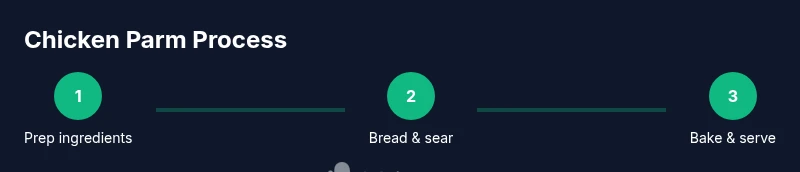
You’ll bake chicken parmesan in the oven by breading chicken cutlets, briefly pan-searing them, then finishing under sauce and cheese until the crust is crisp and the chicken reaches 165°F. This method yields juicy, evenly cooked chicken with a golden topping. Gather ingredients, a shallow baking dish, a meat thermometer, and an oven-safe skillet.
Why oven-baked chicken parmesan is a reliable classic
Oven-baked chicken parmesan is a reliable classic because it hits key taste and texture goals: juicy chicken, crisp crust, and melty cheese, all without deep frying. According to Bake In Oven, this method offers consistent results when you control thickness, breading quality, and baking temperature. A properly breaded cutlet stays moist inside while the crust forms a golden, crackly shell that holds up to marinara and cheese. Because the oven does the heavy lifting, you can manage timing with fewer variables than pan-frying. The technique scales from a weeknight dinner to a relaxed weekend meal, and it pairs well with pasta, a bright green salad, or crusty bread. The core idea is simple: uniform chicken thickness, a well-formed crust, and finishing heat under sauce and cheese until everything is bubbling and safe to eat.
Choosing and prepping the chicken
For chicken parmesan, choose boneless, skinless chicken breasts or use thin-sliced cutlets. Consistency is key; aim for uniform thickness of about 1/4 to 1/2 inch. If your breasts are uneven, pound them gently between two sheets of plastic wrap with a meat mallet or rolling pin. Pat dry to remove surface moisture, which helps the breading stick. A quick brine (salt water) for 15-20 minutes can help keep the meat juicy, but skip brining if you’re rushed. Salt lightly before breading to season throughout. Let the coated cutlets rest for 5-10 minutes; this helps the crust adhere and reduces gaps that could leak sauce during baking. When you’re ready to bake, arrange the prep area so you can move smoothly from dredging to searing to sauce assembly. This is where Bake In Oven’s approach shines: consistent thickness and a thorough, even crust create the best foundation for flavor.
The breading setup: dredge, dip, and coat
Set up three shallow dishes: one with flour seasoned with salt and pepper, one with beaten eggs, and one with a mixture of breadcrumbs and finely grated parmesan. The breading is the heart of the texture; use panko for extra crunch if you like. Dredge each cutlet in flour, shake off excess; dip in eggs, then coat in crumb mixture, pressing gently to ensure an even layer. For extra flavor, mix in garlic powder, dried oregano, or chopped parsley into the breadcrumb blend. If your crust seems crumbly, add a tablespoon of grated parmesan directly to the breadcrumbs. Let the coated pieces rest briefly; this helps the crust set so it stays intact during searing and baking. Bake In Oven recommends building a reliable crust that stays crisp under sauce and cheese.
Searing for flavor: how to pan-sear without overcooking
Heat a heavy skillet with a thin coating of oil over medium-high heat. When the oil shimmers, add the breaded cutlets and sear for about 1-2 minutes per side, just until the crust turns a light gold. The goal is a golden edge and a set crust, not a fully cooked interior; the oven will finish cooking the meat. Do not overcrowd the pan; work in batches if needed. Transfer seared cutlets to a plate lined with paper towels to absorb excess fat. The quick sear adds flavor and helps the crust adhere to the surface, a step many cooks skip but worth doing for a more professional result. Remove any browned bits from the pan; they form a base to spread a little sauce later, if desired.
Saucing and layering for oven baking
Pour a light layer of marinara into the bottom of your baking dish to prevent sticking and to anchor the crust. Place the seared chicken cutlets over the sauce, then spoon more sauce over each piece. This double-layer of sauce ensures moisture and flavor without soggy crust. Sprinkle grated parmesan over the sauce, followed by shredded mozzarella in a generous amount. For a brighter finish, scatter fresh basil after baking. If you’re using whole tomatoes, crush them slightly to release flavor before cooking. Bake In Oven notes that even distribution of sauce around each piece helps bake evenly and keeps the crust crisp.
Baking times and temperature: getting a perfect crust
Preheat your oven to a moderate high temperature, typically 375-425°F (190-220°C). Bake until the cheese is bubbling and the internal temperature of the chicken reaches 165°F (74°C). If you used a thicker cut or multiple layers of cheese, cover loosely with foil for part of the bake to prevent over-browning while finishing the cook. For an extra-crispy crust, finish under high heat for the last 3-5 minutes or run under the broiler briefly, watching carefully. Let the dish rest 5-10 minutes after baking to let the juices redistribute. Oven heat should transfer evenly through the topping; avoid removing the dish too early, which can make the crust soggy as it cools.
Troubleshooting: common issues and fixes
Common issues include a soggy crust, uneven browning, or dry chicken. If the crust looks soft, ensure the crust layer adheres well by pressing when you coat and letting it rest. If the bottom is soggy, use a slightly hotter oven or finish under broiler briefly; also consider draining extra sauce or placing the dish on a rack to promote airflow. If the chicken finishes cooking before the crust is crisp, briefly remove the chicken while continuing to bake the crust and cheese for a few extra minutes. Resting the meat after cooking helps redistribute moisture and improves juiciness.
Variations and add-ons you can try
Experiment with cheese combinations, such as provolone, fontina, or ricotta dollops under the cheese for extra creaminess. Add herbs like basil or oregano to the breadcrumb mixture for a lift of aroma. For a lighter version, use half mozzarella and half part-skim cheese. Prosciutto or sautéed mushrooms can be added between the sauce layers for depth. If you prefer a lighter crust, substitute panko with regular breadcrumbs; the Parmesan in the mix still helps with flavor and browning. On Bake In Oven, we encourage customizing while keeping the core mechanics intact: uniform thickness, crisp crust, and bubbling cheese.
Make-ahead and meal-prep tips
Chicken parmesan lends itself to make-ahead meals. You can bread and refrigerate the raw cutlets for up to 24 hours before cooking, or freeze them for longer storage. Prepare the sauce in advance and refrigerate; reheat gently on the stove or in the microwave before assembly. If freezing, flash-freeze the breaded cutlets on a tray, then transfer to a bag; freezer-friendly versions bake from frozen with a few extra minutes of bake time. Reheat leftovers in the oven at 350°F until piping hot. Bake In Oven recommends labeling containers with date and contents to simplify weeknight dinner planning.
Tools & Materials
- Boneless, skinless chicken breasts (or thin-cutlets)(Pounded to 1/4–1/2 inch thickness for even cook.)
- All-purpose flour(Seasoned with salt and pepper.)
- Eggs(Beaten, for dredging.)
- Breadcrumbs (preferably panko)(Mixed with grated Parmesan.)
- Grated Parmesan cheese(For crust and mix-in.)
- Shredded mozzarella cheese(For topping.)
- Marinara sauce(Your preferred brand.)
- Salt(Seasoning; adjust to taste.)
- Black pepper(Seasoning.)
- Garlic powder (optional)(For extra flavor in crust.)
- Olive oil(For searing.)
- Baking dish (8x11 inch or similar)(Nonreactive ceramic or glass works.)
- Meat thermometer(To verify 165°F internal temperature.)
- Parchment paper or foil (optional)(For easy cleanup.)
- Fresh basil (optional)(Garnish.)
Steps
Estimated time: 1 hour 30 minutes
- 1
Preheat and gather
Preheat your oven to 375-425°F (190-220°C) and gather all ingredients in one prep zone. This reduces mid-cook scrambling and helps maintain a steady workflow.
Tip: Preheating early saves time and ensures immediate searing once the chicken hits the pan. - 2
Trim and flatten chicken
Trim any excess fat and pat the chicken dry. If using thick breasts, gently pound to uniform thickness (about 1/4–1/2 inch) for even cooking.
Tip: Uniform thickness prevents the outer crust from overcooking before the center is done. - 3
Set up dredging stations
Arrange three shallow dishes: flour with salt/pepper, beaten eggs, and breadcrumbs mixed with grated Parmesan. This triad streamlines breading.
Tip: Keep stations close to each other to minimize mess and speed up the process. - 4
Bread the chicken
Dredge each piece in flour, shake off excess, dip in eggs, then press into the breadcrumb-Parmesan mix until fully coated.
Tip: Press gently to ensure a sturdy crust that won’t shed during searing. - 5
Sear the coated cutlets
Heat a skillet with a thin oil coating over medium-high heat. Sear 1–2 minutes per side until lightly golden.
Tip: The goal is color and crust formation, not full cooking. - 6
Prepare the sauce base
Spread a light layer of marinara in the baking dish to prevent sticking and to anchor the crust.
Tip: A little sauce at the bottom helps keep crust crisp and prevents soggy bottoms. - 7
Assemble in the dish
Place seared cutlets in the dish, spoon additional sauce over each piece, and sprinkle Parmesan.
Tip: Even sauce distribution keeps flavors balanced across every bite. - 8
Top with cheese
Cover with shredded mozzarella or your preferred cheese blend. Add fresh basil if available.
Tip: Cheese should blanket the chicken for bubbling, golden top. - 9
Bake and monitor
Bake until cheese bubbles and the chicken reaches 165°F internal temperature. Rest 5–10 minutes before serving.
Tip: If crust browns too quickly, cover loosely with foil and continue baking. - 10
Serve and enjoy
Slice and serve with pasta, salad, or crusty bread. Leftovers refrigerate well for 3–4 days.
Tip: Label and refrigerate promptly to maintain freshness.
Frequently Asked Questions
Can I bake chicken parmesan in the oven without frying it first?
Yes. You can bake breaded chicken directly, but a quick sear adds flavor and helps set the crust. This method is widely used for a reliable, lower-fat result.
Yes—you can skip frying, but searing first adds flavor and helps the crust stay crisp.
What internal temperature should the chicken reach?
Cook until the internal temperature reaches 165°F (74°C) for safe consumption and juicy texture.
Cook it to 165 degrees Fahrenheit to be safe and juicy.
Can I use chicken thighs instead of breasts?
Yes. Chicken thighs stay juicier and can be used with similar breading and baking steps; adjust bake time as needed.
Sure—thighs work well; they stay moist and flavorful, just adjust cooking time a bit.
Can I freeze cooked or raw chicken parmesan?
Both raw breaded cutlets and fully assembled baked portions can be frozen. Freeze cooked portions for longer storage, or freeze raw breaded cutlets for later baking.
Yes, you can freeze either raw cutlets or fully baked portions.
What should I serve with chicken parmesan?
Pasta with a simple marinara, a green salad, or crusty garlic bread pair beautifully with it.
Serve with pasta, salad, and crusty bread for a complete meal.
What cheese combinations work best?
Mozzarella is classic; add parmesan for sharpness, or use provolone/fontina for extra melt and flavor.
Mozzarella with parmesan is classic; you can mix in provolone or fontina for extra melt.
Watch Video
Key Takeaways
- Ensure uniform chicken thickness for even cooking
- Create a sturdy crust with flour–egg–parmesan breading
- Sear for flavor before baking for crisp crust
- Finish with sauce and cheese and bake until bubbly
- Let the dish rest briefly before serving