How to Bake Corn in the Oven
Learn how to bake corn in the oven with two reliable methods, timing, and finishing ideas. This kitchen-tested guide from Bake In Oven covers prep, flavoring, and doneness for tender, sweet corn.


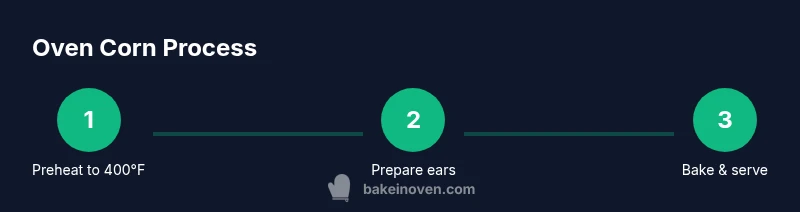
You’ll bake corn in the oven to tender, flavorful kernels in about 20–25 minutes. Start with fresh ears and preheat to 400°F. You can roast with the husks on for a steamed effect or wrap the ears in foil for a rich, buttered finish; pat dry and season after baking for best flavor.
Why Oven-Baking Corn Works
Oven-baking corn concentrates flavors and produces tender kernels with a sweet finish. Unlike boiling, baking dries the surface slightly, allowing sugars to caramelize just enough for a richer taste. The warmth of the oven also cooks evenly, which helps if you’re roasting multiple ears at once. Whether you prefer the husks for a steamed vibe or foil for buttery enhancement, oven-roasted corn yields reliable results. Fresh ears are best, and prepping them properly prevents stringy texture and uneven cooking. In this guide, you’ll learn two dependable methods, how to prep ears, and how to finish with butter and seasonings for maximum flavor. For best results, pat ears dry and season after baking. This approach aligns with Bake In Oven guidance on oven techniques and practical home-baking tips.
Methods: Two Reliable Approaches for Oven Corn
Here are two dependable paths to oven-roasted corn. Each path ends with delicious, tender kernels and a crisp, flavorful finish.
- Method A — Husk-On Roast: Keep the outer husks intact to trap steam and keep kernels moist. This method yields a slight steamed texture with sweet corn flavor. Place ears on a sheet, optionally with a light brushing of butter or oil, and bake until kernels are tender.
- Method B — Foil-Wrapped Buttered: Shuck or partially shuck, smear with butter and seasonings, then wrap individually in foil to seal in richness. This method produces a butter-forward finish and helps prevent drying for larger batches. Arrange on a sheet and bake until done.
Both methods work well; your choice depends on preferred texture and texture preservation. When in doubt, start with the husk-on approach for a gentle roast and switch to foil-wrapped for richer flavor if you want a bolder finish.
Selecting and Preparing Ears
Quality corn starts with good ears. Look for ears with bright green husks that feel full and moist to the touch, with minimal brown or dry patches. The silk should be pale and not dried out. If you plan to use the husk-on method, pull back the husks gently to inspect the kernels without fully removing the husk, and remove the silk from the exposed area. For foil-wrapped roasting, fully shuck the ears to remove silk, pat dry, then optionally brush with melted butter or olive oil. Patting dry helps achieve even browning and prevents soggy kernels from steaming too long.
Temperature, Timing, and Doneness
Preheat the oven to 400°F (200°C). Plan for about 20–25 minutes for foil-wrapped ears or husk-on roasting, depending on ear size and oven performance. If you prefer a firmer bite, start checking around 18 minutes; for very large ears, you may need up to 30 minutes. To test doneness, insert a small knife or fork into a kernel—it should be tender but still juicy. If you see dry kernels, bake a few minutes longer, checking frequently to avoid overcooking. Rest the corn for 2–3 minutes after removal from the oven to let the juices redistribute.
Flavoring, Toppings, and Serving Ideas
Butter is king here, but you can tailor the finish to your taste. After baking, drizzle or brush with melted butter, then sprinkle kosher salt, cracked black pepper, and a pinch of paprika or chili powder for a subtle kick. Fresh herbs like chopped chives, parsley, or cilantro brighten the flavor. For a bright contrast, finish with a squeeze of lemon or lime juice. Serve immediately with extra butter on the side and a light dusting of parmesan if you like a savory finish.
Troubleshooting and Common Mistakes
Common issues include dry kernels, uneven cooking, or pale color. To avoid dryness, consider foil-wrapping or husk-on methods that trap moisture. Make sure ears are in a single layer on the baking sheet to promote even browning. If your oven runs hot, reduce the temperature by 25°F and extend the bake time slightly. Do not skip patting the ears dry, as surface moisture can prevent browning and lead to soggy kernels. Finally, avoid salting too early, which can draw moisture from the corn; salt right before serving for best texture.
AUTHORITY SOURCES
For further guidance on safe handling and best practices for cooking corn, consult authoritative sources:
- U.S. Department of Agriculture (USDA): https://www.usda.gov
- Food Safety and Inspection Service (FSIS) – USDA: https://www.fsis.usda.gov
- National Center for Home Food Preservation (NCHFP), University of Georgia: https://nchfp.uga.edu
- University of Illinois Extension: https://extension.illinois.edu
Tools & Materials
- Fresh ears of corn (quantity as needed)(Choose ears with bright green husks and moist silk.)
- Butter or olive oil(For brushing and flavoring.)
- Salt and pepper(Season after baking for best texture.)
- Aluminum foil(For foil-wrapped method.)
- Baking sheet(Single layer, space ears evenly.)
- Kitchen knife or kitchen shears(Trim silk or tidy ends.)
- Paring knife (optional)(For precise silk removal.)
- Parchment paper (optional)(Easier cleanup if not using foil.)
- Oven mitts or towel(Handle hot ears safely.)
Steps
Estimated time: 30-40 minutes
- 1
Preheat the oven
Set the oven to 400°F (200°C) and let it fully come to temperature before placing corn inside. A consistent heat ensures even cooking across all ears.
Tip: Use a convection setting if available; it can help with slightly faster, more even browning. - 2
Shuck the ears (if using foil-wrapped method)
Remove silk and any loose husk fibers from the ears. This step prepares the ears for buttering and foiling, reducing uneven edges.
Tip: If you plan to keep the husks, skip this step and proceed with the husk-on method. - 3
Choose your roasting method
Decide between husk-on roasting or foil-wrapped buttered corn. Each method offers a different texture and flavor profile.
Tip: You can combine by starting with husks and finishing with a quick foil wrap to intensify butter flavor. - 4
Season and/or wrap
If foil-wrapping, brush ears with melted butter or oil and sprinkle with salt and pepper, then seal individually in foil. For husk-on, you may brush and bake with the husks partially pulled back.
Tip: Keep the kernel surface relatively dry for a better browning; a light coat of butter is sufficient. - 5
Bake and monitor
Spread ears in a single layer on a baking sheet and bake for 20–25 minutes. Turn once halfway through for even cooking.
Tip: If ears are large, check at 18 minutes and adjust the time to avoid overcooking. - 6
Check for doneness and rest
Test a kernel for tenderness; it should be juicy yet tender. Remove from oven and let rest 2–3 minutes before serving to redistribute juices.
Tip: Taste-test with a small bite to confirm sweetness is to your liking before serving. - 7
Serve or store leftovers
Serve immediately with extra butter and seasonings, or refrigerate leftovers in an airtight container for up to 3 days. Reheat gently to preserve texture.
Tip: Reheat in the oven at 350°F for 5–8 minutes to restore moisture and flavor.
Frequently Asked Questions
Can you bake corn with the husks on?
Yes. Baking with the husks on traps steam and keeps kernels moist, producing a slightly steamed texture with sweet corn flavor. Remove the silk and place the ears directly on a sheet, then bake as directed.
Yes, you can roast corn with the husks on for a steamed texture; just remove the silk first and place on a sheet.
How do I tell when corn is done?
The kernels should be tender and juicy, not chalky. A quick test with a fork or knife should reveal a soft, but firm, bite.
Look for tender, juicy kernels when you test with a fork.
Can I bake corn without butter?
Yes. Butter adds flavor and helps with browning, but you can use oil or a light spray and still achieve tasty results. Seasonings after baking will still shine.
Butter isn’t mandatory; you can use oil and season afterward for a lighter finish.
Should I preheat the oven before baking corn?
Yes. Preheating ensures consistent cooking and reliable doneness timing. Place the corn in the oven once it reaches 400°F.
Preheat to 400°F so the corn cooks evenly.
How should I store leftovers?
Cool promptly and refrigerate in an airtight container for up to 3 days. Reheat in the oven at 350°F for 5–8 minutes or until warm.
Cool and refrigerate up to 3 days; reheat gently in the oven.
Can I freeze baked corn?
Freezing baked corn is possible, but texture may change. For best results, store as leftovers and reheat directly rather than freezing in advance.
You can freeze leftovers, but texture may change; reheat from thawed if possible.
Watch Video
Key Takeaways
- Bake corn at 400°F for 20–25 minutes.
- Choose husk-on or foil-wrapped methods based on texture preference.
- Season after baking for best flavor and texture.
- Rest corn 2–3 minutes before serving for juicier kernels.