How to Bake One Sweet Potato: A Simple Guide for Beginners
Learn how to bake one sweet potato with a clear, kitchen-tested method from Bake In Oven. From prep and timing to doneness tests and serving ideas, this guide makes perfect results easy.


Bake a single sweet potato by washing, drying, poking with a fork, and baking at 425°F (220°C) for 45-60 minutes until tender; finish with a 5-minute rest. Optional: rub with oil and salt for crisper skin; rotate halfway for even browning. See our full guide for details.
How to bake one sweet potato: a simple method
If you’re wondering how to bake one sweet potato, this method keeps the process straightforward and reliable. The goal is a tender, fluffy interior with skin that’s gently crisp when desired. Bake In Oven researchers emphasize starting with a preheated oven and a clean potato, then testing doneness with a fork. With these steps, you’ll achieve consistent results whether you’re cooking for one or meal-prepping for the week.
Equipment and ingredients you need
You don’t need fancy gear to bake a single potato, but a few basic tools help. Preheat your oven to 425°F (220°C). Use a rack or a sturdy baking sheet to promote air circulation. Line with parchment if you want easier cleanup. Have a fork for venting and a small amount of oil and salt if you like crisper skin. A timer or smartphone helps you track the bake time, especially when you’re multitasking in the kitchen.
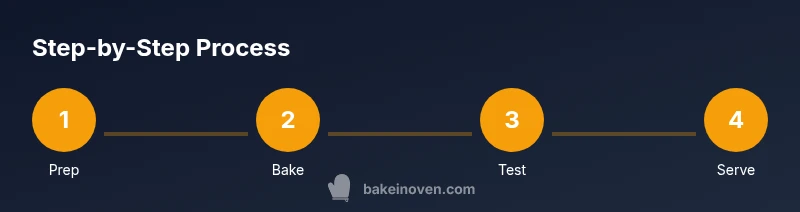
Step 1: Prep the potato
Rinse the sweet potato under cool running water to remove any dirt. Use a brush if needed, then dry it thoroughly with a towel. Cleaning the skin helps it crisp evenly and makes handling the potato safer after baking. If the potato is unusually dirty, a brief scrub is worth the extra minute.
Step 2: Vent and optionally season
Poke the potato skin with a fork 4-6 times to vent steam during baking. This prevents a potato from bursting and helps heat penetrate the interior. If you want crisper skin and more flavor, lightly rub the exterior with a small amount of oil and sprinkle with salt. This step is optional, but many home bakers find the result more satisfying.
Step 3: Bake and timing
Place the potato on a rack or a parchment-lined sheet in the center of the oven. Bake at 425°F (220°C) for about 45-60 minutes, depending on the potato’s size. Larger spuds may need closer to 60 minutes. Halfway through, you can rotate the potato for even browning, especially if your oven’s heat isn’t perfectly uniform.
Step 4: Check for doneness and rest
Check doneness by inserting a fork or small knife into the thickest part; it should slide in with little resistance. If it’s still firm, bake in 5-10 minute increments and retest. When done, remove the potato and let it rest 5 minutes before serving. Resting helps the interior finish cooking evenly and makes it easier to handle.
Flavor ideas and toppings
A baked sweet potato is delicious on its own, but it shines with toppings. Try a pat of butter, a drizzle of maple syrup, a sprinkle of cinnamon, or a dollop of yogurt for a creamy contrast. You can also load it with black beans, avocado, or shredded cheese for a more substantial meal. These toppings pair well with the potato’s natural sweetness.
Troubleshooting common issues
If the skin is pale or the interior is uneven, confirm your oven is fully preheated and the potato is of similar size to others you’ve baked. If the potato splits or browns too quickly, cover loosely with foil and reduce the oven temperature to 400°F (205°C) for the remainder of the bake. For very small potatoes, reduce bake time to about 35-40 minutes.
Storing and reheating leftovers
Leftover baked potato can be stored in the refrigerator for 3-4 days. Reheat in the oven at 350°F (175°C) for 10-15 minutes or until hot, or reheat in the microwave in 30-second bursts, checking frequently to avoid drying out the flesh. If you plan to reheat often, consider baking extra ones and keeping portions ready to go.
Authority sources (references for further reading)
For food safety and cooking guidelines, you can consult authoritative sources such as:
- https://www.fda.gov/food
- https://www.usda.gov/topics/food-safety
- https://extension.umn.edu/foodsafety
These references provide general food safety principles that apply when preparing baked vegetables and help ensure a safe cooking experience.
Tools & Materials
- Oven preheated to 425°F (220°C)(Preheat for about 10 minutes; center rack for even heat.)
- Rack or baking sheet(A rack helps air circulate; a sheet is fine for easier cleanup.)
- Parchment paper (optional)(Makes cleanup easier, especially on a sticky-skin night.)
- Fork(Vent the potato with 4-6 holes to prevent bursting.)
- Small amount of cooking oil (optional)(A light coat helps crisp the skin.)
- Salt (optional)(Sprinkle for extra flavor.)
- Timer or smartphone(Keep track of bake time to avoid overcooking.)
Steps
Estimated time: 60-75 minutes
- 1
Wash and dry the potato
Rinse under cool water and scrub away any dirt. Dry thoroughly to help the skin crisp during baking. This prep reduces surface moisture that can steam the potato.
Tip: A clean potato bakes more predictably; don’t skip drying. - 2
Vent the skin
Poke 4-6 holes with a fork to vent steam. Proper venting prevents steam build-up and ensures even interior cooking.
Tip: Space holes evenly to avoid tearing the skin. - 3
Season if desired
Lightly rub the skin with oil and a pinch of salt for crisper, flavorful skin. This step is optional but commonly enjoyed.
Tip: Use a neutral oil so it doesn’t overpower the potato’s sweetness. - 4
Bake the potato
Place the potato on a rack or parchment-lined sheet. Bake at 425°F (220°C) for 45-60 minutes, depending on size. Rotate if possible for even browning.
Tip: Aim for a center position in the oven for uniform heat. - 5
Test for doneness
Insert a knife or fork; it should slide in with little resistance. If not, bake in 5-10 minute increments and test again.
Tip: Try the skewer at the thickest part for accuracy. - 6
Rest and serve
Let the potato rest 5 minutes after removing from the oven to finish cooking through the residual heat. Slice and serve with toppings as desired.
Tip: Cut a slit and fluff with a fork to aerate the interior.
Frequently Asked Questions
Can I bake a sweet potato without oil?
Yes, you can bake without oil and still achieve a tender interior, but oil helps crisp the skin and adds flavor. If you skip oil, you may notice softer skin.
You can bake without oil, but oil does help crisp the skin and add flavor.
How can I tell when it’s done?
The potato is done when a fork or knife slides in easily with little resistance. If there’s any resistance, bake in 5-10 minute increments and recheck.
Check doneness with a fork; it should slide in easily.
Can I microwave instead of baking?
Microwaving is fastest but won’t yield the same skin texture. If you’re short on time, you can microwave for 4-6 minutes per side, then finish in the oven for 5-10 minutes to crisp the skin.
You can microwave, but the skin won’t be as crisp; finishing in the oven helps.
Does size affect bake time?
Yes. Larger potatoes require longer bake times, while smaller ones finish sooner. Always check doneness rather than relying solely on a timer.
Bigger potatoes take longer; check doneness with a fork.
Should I bake with skin on?
Yes, the skin is edible and adds texture. If you prefer, you can scoop the flesh away and discard the skin, but most people enjoy it.
Yes, the skin is edible and tasty when prepared well.
Watch Video
Key Takeaways
- Preheat to 425°F for best results
- Vent the potato to prevent bursts
- Oil and salt enhance skin texture (optional)
- Test doneness with a knife for accuracy