How to Bake Without Sugar: A Practical Guide
Learn practical, kitchen-tested strategies to bake delicious treats without added sugar. Explore substitutes, moisture balance, flavor boosters, and troubleshooting for reliable sugar-free results.


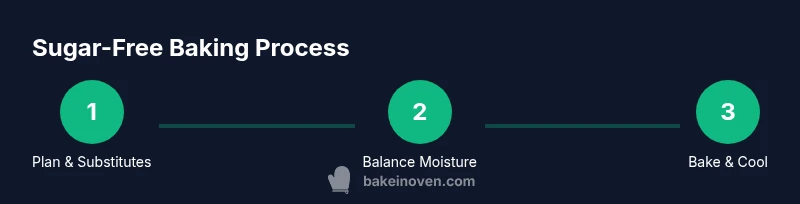
By the end of this guide you'll know how to bake without sugar using natural sweeteners, fruit purées, and texture builders. Start with a clear plan: select a suitable sugar substitute, adjust moisture, and balance flavor with spices and vanilla. According to Bake In Oven, successful sugar-free baking hinges on measurement accuracy and considering each ingredient's role in the batter. This quick path sets you up for reliable results.
Why bake without sugar matters
Baking without added sugar isn’t just a health consideration; it’s also a chance to rethink texture, sweetness, and flavor balance. When you remove or reduce sugar, you alter browning, moisture retention, and crumb structure. The goal is to preserve tenderness and aroma while keeping sweetness perceptible, not overpowering. According to Bake In Oven, a thoughtful approach to sugar-free baking starts with ingredient roles and a plan for moisture, fat, and leavening. This mindset helps you adapt recipes you already love rather than starting from scratch.
Understanding natural sweeteners that work
Natural sweeteners and substitutes can mimic sweetness while contributing unique flavors. Fruit purées (banana, applesauce) add moisture and body; dates or raisin pastes provide sweetness with additional fiber. Sugar alcohols like erythritol or xylitol, and high-intensity sweeteners like stevia or monk fruit, reduce calories without added sugar but may affect texture or aftertaste. The key is to choose substitutes that suit the recipe type and to test small batches first. Bake In Oven analysis, 2026 emphasizes selecting substitutes whose sweetness intensity aligns with the dish and adjusting moisture accordingly.
Moisture and texture management
Sugar influences moisture, tenderness, and crumb. Without sugar, you may need to tweak fat, eggs, and liquids to prevent a dry or dense result. Use a bit more fat or add a moisture-retaining ingredient (like yogurt or dairy-free milk with fat) if the batter seems dry. If you’re using fruit purée, reduce other liquids slightly to maintain structure. For browning and crumb structure, consider a touch more leavening and careful oven temperature control to avoid pale or crunchy outcomes.
Flavor boosters and balancing flavors
Sugar-free baking benefits from strategic flavor boosters: vanilla, almond extract, cinnamon, citrus zest, and a pinch of salt to enhance perception of sweetness. Acids like lemon juice or yogurt can brighten flavors and help balance sweetness perception. Toasted nuts, cinnamon-sugar substitutes, and chocolate with higher cocoa content can create depth without relying on sugar for flavor. Always taste-taste-taste as you go, especially when you’ve switched sweeteners.
Substituting in common bake categories
Cookies: prefer fat-forward recipes with a robust sweetener alternative to preserve texture. Cakes and muffins: aim for a tender crumb by balancing fats and moisture; consider fruit purées to replace some liquid and add color and moisture. Quick breads: use a combination of fat, eggs, and a gentle sweetener to maintain moistness without sacrificing rise. Pies and bars: texture matters; micro-adjust moisture and crust butter ratio to prevent soggy or tough crusts.
Sweetener selection by recipe type
Not all recipes require the same substitution strategy. For cookies, creams-and-butter recipes often tolerate erythritol or monk fruit well. For cakes, a mix of sugar substitutes with small amounts of fruit purée can recreate tenderness. For dense breads, a touch of honey or maple syrup used sparingly, if acceptable, can help with browning. Always start with a tested ratio in a small batch and adjust based on crumb, sweetness, and aroma.
Troubleshooting common issues
If the result is dry, increase moisture or fat slightly and consider adding moisture-retaining ingredients like yogurt or applesauce. If the texture is dense, inspect leavening and mixing technique—overmixing can squeeze out air; under-mixing may leave uneven crumb. Aftertaste can occur with certain sugar substitutes; pair with cinnamon, citrus, or chocolate to mask off-notes. Let baked goods rest to allow flavors to meld before serving.
Quick sugar-free recipe example: Chocolate chip cookies (no sugar)
- Ingredients: 1 cup all-purpose flour, 1/2 cup butter, 1/2 cup erythritol (or 1/4 cup monk fruit + 1/4 cup sugar substitute), 1 egg, 1 tsp vanilla, 1/2 tsp baking powder, pinch salt, 1/2 cup dark chocolate chips, 2 tbsp applesauce (optional).
- Method: Cream butter and sweetener until light, beat in egg and vanilla, mix dry ingredients separately, combine, fold in chips, drop spoonfuls on parchment, bake at 350°F (175°C) for 10-12 minutes until edges are golden. Allow to cool on a rack for texture development.
This example shows how sugar alternatives and moisture boosters can produce cookies with a satisfying crumb and flavor depth without added sugar.
noteDataBlockParentSearchTag":null
Tools & Materials
- All-purpose flour or whole-wheat flour(Gluten structure varies; adjust if using gluten-free blends.)
- Eggs(Provide structure and moisture; use room temperature for best emulsification.)
- Milk or plant milk(Adds moisture and tenderness; adjust if using thicker purées.)
- Butter or oil(Fat aids tenderness and browning.)
- Sugar-free sweeteners (erythritol, xylitol, monk fruit, stevia)(Choose based on sweetness level and avoid aftertaste; test in small batches.)
- Fruit purée (banana, applesauce)(Adds moisture and body; reduce liquids if used heavily.)
- Vanilla extract(Enhances perceived sweetness and aroma.)
- Baking powder and/or baking soda(Leavening agents critical for rise.)
- Salt(Balances flavors and enhances sweetness.)
- Acid for balance (lemon juice, yogurt)(Brightens flavor and improves tenderness in some recipes.)
- Parchment paper or silicone mat(Prevents sticking and promotes even browning.)
- Measuring cups/spoons and digital scale(Precise measurements are crucial when sugar is reduced.)
Steps
Estimated time: 1 hour 15 minutes
- 1
Gather ingredients and choose your substitute
Collect all ingredients and decide on your primary sugar substitute. Assess sweetness level and whether you’ll rely on fruit purée for moisture or a sugar alcohol for bite. This planning step minimizes the need for last-minute substitutions.
Tip: Weigh ingredients when possible to ensure consistent results across batches. - 2
Balance sweetness with moisture and fat
If using a fruit purée, reduce other liquids slightly to maintain crumb and rise. If using sugar alcohol, keep an eye on potential cooling effects and adjust spices to retain warmth.
Tip: Taste batter after adding your sweetener and adjust cinnamon or vanilla to deepen flavor. - 3
Prepare pans and preheat the oven
Line baking sheets with parchment or silicone mats and heat oven to the recipe’s target temperature. Proper preheating ensures even browning and consistent texture.
Tip: Preheat at least 10 minutes before baking to stabilize the oven chamber. - 4
Mix dry ingredients separately
Combine flour, leavening, salt, and any spices. This step prevents clumping and ensures even distribution of leaveners and flavor boosters.
Tip: Sift if using dense powders to improve crumb. - 5
Cream fat and sweetener, then add eggs
Beat butter and chosen sugar substitute until fluffy, then whisk in eggs and vanilla. Proper emulsification improves crumb and moisture.
Tip: Room-temperature fats emulsify better for a tender crumb. - 6
Combine wet and dry ingredients gently
Add dry mix in portions to the creamed mixture until just combined. Overmixing can create tough texture when sugar is reduced.
Tip: Fold in chocolate chips or nuts at the end for texture. - 7
Bake and monitor browning
Bake until edges are golden and center is set but not dry. Total time varies with recipe and sweetener; start checking early to prevent overbaking.
Tip: Use a toothpick: clean with a few moist crumbs indicates doneness. - 8
Cool, taste, and adapt
Let the baked good rest to set the crumb. Note sweetness, moisture, and aroma for future tweaks and batch consistency.
Tip: Record substitutions and results for future reference.
Frequently Asked Questions
Can I bake cookies without sugar?
Yes. Sugar-free cookies can be delicious when using the right substitutes and techniques to preserve moisture and tenderness. Start with a tested recipe and adjust sweetness with spices and vanilla.
Yes, you can bake cookies without sugar by choosing the right substitutes and tuning moisture and flavor.
Is honey or maple syrup allowed in sugar-free baking?
Honey or maple syrup adds sugar content; if your goal is zero added sugar, avoid these and rely on alternatives like fruit purée or sugar substitutes. They can be used sparingly in some recipes if total sugar content is considered.
Honey and maple syrup add sugar, so use only if your sugar-free goal allows natural sweeteners.
Will sugar-free desserts taste as sweet as traditional ones?
Sugar-free desserts can be equally sweet depending on substitute choice and technique. Use a combination of sweeteners and flavor boosters to mimic perceived sweetness.
They can taste just as sweet if you balance substitutes with flavor enhancers.
Can I substitute sugar in frosting without losing texture?
Yes, but you may need to adjust liquid content and fat. Whipping in cream cheese or butter and using powdered substitutes can help maintain texture.
Yes. Adjust fat and liquid to keep frosting smooth and stable.
Do all sugar substitutes have aftertaste?
Some substitutes can leave a slight aftertaste; blending different sweeteners and adding vanilla or citrus helps mask it.
Some substitutes may have aftertastes—balance with other flavors.
Is sugar-free baking safe for kids?
Sugar-free baking can be suitable for kids when ingredients are chosen carefully and sugar substitutes are safe for children. Avoid overuse of sugar substitutes in very young children and monitor taste preferences.
Most sugar-free options are safe for kids when used thoughtfully, but check guidance for specific substitutes.
Watch Video
Key Takeaways
- Choose a sugar substitute that complements the recipe type
- Balance moisture and fat when removing sugar
- Use flavor boosters to enhance sweetness without sugar
- Test and record results for reliable, repeatable sugar-free baking
- Always adjust baking time and temperature for sugar-free batters