How to Get Rid of a Baker's Cyst Behind the Knee
Learn practical steps to manage a Baker's cyst behind the knee, including home care, medical options, and when to seek professional guidance for lasting relief.


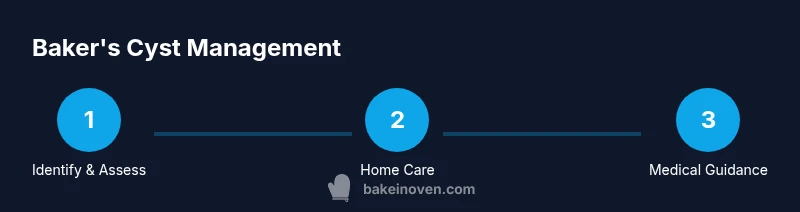
This guide explains how to get rid of a Baker's cyst behind the knee through a structured approach: start with home care, modify activity, and know when to pursue medical treatments such as physical therapy or aspiration. It covers risks, timelines, and realistic expectations for recovery. This quick overview helps you decide if you can manage symptoms at home or need professional care.
Understanding Baker's Cyst Behind the Knee
A Baker's cyst, also called a popliteal cyst, is a fluid-filled sac that forms behind the knee. It develops when excess joint fluid collects in the knee and bulges into a small sac at the back of the leg. The cyst itself is usually not cancerous, but it signals an underlying knee issue, such as arthritis, meniscal tears, or a cartilage injury. Symptoms can include swelling behind the knee, a feeling of fullness, tightness when bending the joint, and sometimes pain that worsens with activity or standing for long periods. In some people, the cyst is small and barely noticeable; in others, it enlarges and becomes uncomfortable or restricts knee motion. While Baker's cyst behind the knee can be treated without surgery, persistent or recurrent swelling may require medical evaluation to address the root cause and to rule out other problems in the knee. The key is recognizing symptom patterns early and pairing home care with professional guidance when needed.
Causes, Symptoms, and Diagnosis
Baker's cyst behind the knee typically arises from a knee joint condition that increases joint fluid production. Common culprits include osteoarthritis, inflammatory arthritis, meniscal tears, and cartilage injuries. The cyst itself is a symptom more than a diagnosis, signaling fluid buildup. Typical symptoms include swelling at the back of the knee, stiffness, tightness when bending, and sometimes a lump behind the knee you can feel when the leg is straight. Diagnosis is usually based on a physical exam, followed by ultrasound or MRI to visualize the cyst and underlying knee structures. Your clinician may assess range of motion, swelling, and any signs of infection or fever that would require urgent care.
Immediate Steps You Can Take at Home
When a Baker's cyst is causing discomfort, start with conservative measures aimed at reducing swelling and protecting the knee joint. Begin RICE: Rest the knee, apply ice for 15-20 minutes every 2-3 hours during flare-ups, compress with an elastic bandage or knee sleeve, and elevate the leg to help drainage. Avoid activities that worsen swelling, especially high-impact jumping or deep knee bending. Use a supportive knee brace if recommended by your clinician and ensure footwear provides good shock absorption. Hydration and gentle movement within comfort limits can help maintain joint range of motion without overloading the knee. If pain persists or worsens, seek medical advice promptly.
Medical Treatments and When They Are Used
If symptoms persist beyond a few weeks or recur frequently, a clinician may offer treatments to address the cyst and the underlying knee issue. Options include aspiration to drain the cyst, sometimes with a corticosteroid injection to reduce inflammation and pain. In some cases, treating the underlying knee condition (such as a meniscal tear or arthritis) can prevent recurrence. Surgery is rarely needed and is reserved for cases where persistent cysts cause ongoing pain, nerve compression, or significant impairment despite other therapies. Discuss risks and benefits with your healthcare provider, and consider imaging to guide treatment decisions.
Physical Therapy and Exercises to Strengthen the Leg
Physical therapy plays a central role in reducing symptoms and preventing recurrence. A PT program focuses on improving knee mobility, strengthening surrounding muscles, and addressing gait mechanics. Begin with gentle quad sets, straight leg raises, heel slides, and hamstring stretches, progressing to low-impact strengthening like mini-squats and step-ups as tolerated. Your therapist will tailor a plan to your pain level and knee condition, aiming to restore function without provoking a flare. Consistency is more important than intensity, especially in the early stages.
Lifestyle, Activity Modifications, and Preventive Tips
Adopting knee-friendly habits helps prevent flare-ups. Maintain a healthy weight to reduce joint load, warm up before activity, and choose low-impact exercises such as swimming or cycling. Wear supportive footwear with good arch support, avoid sitting with knees crossed for long periods, and stay hydrated for overall joint health. If you have a chronic knee condition, manage it with a long-term plan that includes regular PT sessions and periodic re-evaluation with your clinician. Avoid smoking and excessive alcohol, as these can affect healing and inflammation.
Building a Personal Recovery Plan
Create a structured plan that fits your schedule and goals. Week 1-2: focus on reducing swelling with RICE, gentle ROM, and starting PT basics. Week 3-6: progress to strengthening and endurance, monitor swelling, and adjust activities as advised by your clinician. Month 2 and beyond: gradually return to regular activities while maintaining a maintenance routine. Keep a symptom diary to detect patterns and adjust intensity accordingly. Schedule follow-ups to reassess the underlying knee condition and cyst status.
What to Expect Next and Red Flags
Most people experience gradual improvement with consistent home care, targeted exercise, and medical guidance if needed. However, seek immediate medical attention if you notice severe knee swelling with redness or warmth, fever, intense pain, numbness, or an inability to bear weight. Recurrent swelling or persistent cysts may require imaging or a change in treatment strategy. With a thoughtful recovery plan, many individuals regain function and enjoy day-to-day activities with less pain.
Tools & Materials
- Ice pack or cold compress(Apply 15-20 minutes every 2-3 hours during flare-ups; protect skin with a cloth.)
- Elastic compression bandage or knee sleeve(Wrap with moderate tension; do not wrap too tightly to avoid numbness.)
- Elevating pillow or footstool(Keep leg elevated when resting to reduce swelling.)
- Comfortable supportive footwear(Choose arch-supportive shoes with good shock absorption.)
- Over-the-counter NSAID (if approved by clinician)(Use only as directed by your healthcare provider; monitor for side effects.)
- Light resistance band or PT equipment(Used during home exercises or PT sessions for gentle strengthening.)
Steps
Estimated time: 6-8 weeks for initial improvement; full recovery may take several months
- 1
Identify symptoms and track progression
Document swelling, pain level, and activities that worsen symptoms. A clear log helps you and your clinician determine whether the cyst is changing and which underlying knee issues may be present.
Tip: Keep a simple diary with dates, pain scores, and activities. - 2
Start RICE and limit aggravating activities
Rest the knee from high-impact tasks and avoid deep knee bending. Apply ice during flare-ups and use a gentle compression sleeve to control swelling. Elevate the leg when resting to reduce fluid buildup.
Tip: If swelling is severe, alternate ice with heat after 48-72 hours if advised by your clinician. - 3
Apply cold therapy and protect the joint
Continue cold therapy in the early days and protect the joint with a supportive brace if advised. Avoid placing an ice pack directly on skin; use a thin cloth as a barrier.
Tip: Do not leave ice on for longer than 20 minutes at a time. - 4
Review medications with a clinician
If considering NSAIDs for pain and swelling, confirm dosing and duration with your healthcare provider. NSAIDs can help with inflammation but may have side effects or interact with other meds.
Tip: Don’t start or stop meds without medical guidance. - 5
Obtain medical imaging if symptoms persist
If swelling and pain persist beyond a few weeks or recur, request ultrasound or MRI to assess the cyst and underlying joint issues. Imaging helps tailor a treatment plan.
Tip: Bring your symptom diary and a list of current meds to the appointment. - 6
Begin guided physical therapy
Start a PT program focused on improving knee mobility, strengthening surrounding muscles, and addressing gait mechanics. Progress gradually to avoid flares.
Tip: Attend all sessions and report any new pains promptly. - 7
Follow a progressive home exercise plan
Incorporate gentle quadriceps sets, straight-leg raises, and calf stretches, then advance to controlled squats or step-ups as tolerated. Consistency beats intensity in early recovery.
Tip: Limit high-impact activities until cleared by a clinician. - 8
Monitor progress and adjust activities
Review swelling, pain, and function weekly. Modify activities to prevent aggravation while maintaining mobility and strength.
Tip: Use a pain-free range of motion as a guide for progression. - 9
Plan for longer-term follow-up
Schedule periodic re-evaluations to ensure the underlying knee condition is managed and the cyst does not recur.
Tip: Set reminders for follow-up visits in your calendar.
Frequently Asked Questions
What is a Baker's cyst behind the knee?
A Baker's cyst behind the knee is a fluid-filled sac that forms when knee joint fluid accumulates due to an underlying issue such as arthritis or a meniscal tear. It often signals a knee condition rather than being a standalone problem. Diagnosis relies on clinical exam and imaging.
A Baker's cyst behind the knee is a fluid-filled swelling caused by an underlying knee problem. It’s usually diagnosed with an exam and imaging.
What causes Baker's cyst behind the knee?
Causes include knee joint conditions like arthritis, meniscal tears, and cartilage injuries that increase fluid production. The cyst forms as the joint fluid tracks into the popliteal space behind the knee.
It’s typically due to arthritis or a knee tear that makes excess joint fluid collect behind the knee.
When should I see a doctor for a Baker's cyst?
See a doctor if swelling is painful, painful to move, if you notice fever or red warmth around the knee, if you can’t bear weight, or if swelling persists beyond a few weeks. Early evaluation helps address underlying problems.
See a clinician if you have severe pain, redness, fever, or trouble bearing weight, or if swelling lasts several weeks.
Can a Baker's cyst go away on its own?
Yes, many cysts shrink with time and conservative care, especially when the underlying knee issue improves. Recurrence is possible if the underlying condition isn’t managed.
Often it can improve on its own with time and proper knee care, though recurrence can happen.
Are home remedies effective for Baker's cyst?
Home care, including rest, ice, compression, elevation, and PT-guided exercises, can reduce symptoms and improve function. However, persistent cysts may require medical treatment to address the cause.
Home care helps a lot, but ongoing symptoms may need medical treatment.
Is surgery ever needed for Baker's cyst behind the knee?
Surgery is rare and reserved for cysts that cause ongoing pain or nerve issues despite other treatments. Most people improve with non-surgical management and addressing the knee condition.
Surgery is uncommon and usually reserved for persistent, troublesome cases after other options are tried.
Watch Video
Key Takeaways
- Start with home care and activity modification.
- Seek medical input for persistent symptoms and underlying knee issues.
- PT and gradual strengthening reduce recurrence risk.
- Imaging informs diagnosis and guides treatment choices.
- Most people improve with a structured plan and professional guidance.