How to Use Easy Bake Oven: A Practical, Kid-Friendly Guide
Step-by-step guide to using an Easy Bake Oven safely, from setup and baking to cleanup, with practical tips, kid-friendly recipes, and safety reminders.


Learn how to use an Easy Bake Oven safely by following a clear setup, bake, and cleanup workflow. Gather the included mix packets and pan, set up a stable workspace, preheat as directed, bake until the indicator signals, then cool and clean the tray. Always supervise young bakers and follow packet instructions.
What is the Easy Bake Oven and who should use it
The Easy Bake Oven is a compact, kid-friendly baking appliance designed to introduce young cooks to the basics of kitchen science and hands-on baking. It uses a small heat source and a miniature baking pan to produce simple treats from enclosed mix packets or kid-approved add-ins. The Bake In Oven team recommends viewing it as an educational stepping stone: it builds confidence, teaches measuring and timing, and creates a shared activity that emphasizes safety and responsibility. As with any tool intended for children, adults should supervise and guide every step, ensuring the experience stays fun and safe. This guide focuses on practical techniques, safety habits, and creative ideas that work with official mixes and family-friendly experimentation.
Safety first: essential guidelines
Safety is the foundation of every Easy Bake session. Always have an adult present, especially with younger children, to supervise handling, heat-related cautions, and ingredient prep. Keep the oven away from water, clutter, and high-traffic zones to prevent accidents. Read packet instructions aloud and check for any allergies or sensitivities among participants. Use a stable, heat-resistant surface and store small parts out of reach when not in use. After baking, allow the oven and pan to cool completely before touching, and never leave hot components unattended. The family benefit comes from a calm, focused approach to cooking that minimizes risk while maximizing learning and fun.
Planning your session: tools, ingredients, workspace
Before you start, assemble a small toolkit and a clean workspace. Gather the Easy Bake Oven unit, the provided baking pan, and the included mix packets. Have a measuring spoon and a silicone spatula handy for mixing and transferring batter. Lay out paper towels or a silicone mat to catch drips and spills. Create a kid-friendly routine: review safety rules, assign simple roles, and set a timer. Keep ingredients simple and clearly labeled, and consider extra toppings or decorations that are safe for young bakers to add after cooling. Planning reduces chaos and keeps the energy positive.
Step-by-step overview: phases of a bake
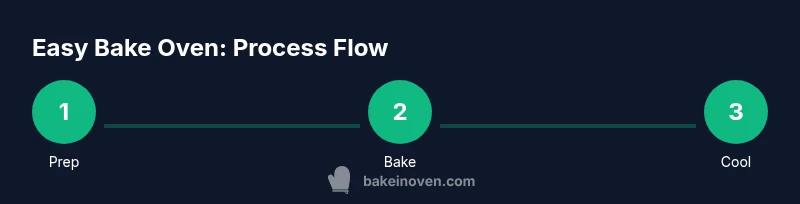
A typical Easy Bake session flows through four phases: prep, preheat, bake, and cool/decorate. In prep, you gather supplies and review instructions. During preheat, you ensure the oven is ready and the pan is properly positioned. In bake, you monitor progress and follow packet timing. Finally, in the cool/decorate phase, you remove the pan, allow cooling, and add decorations or extra flavors. Keeping this phase sequence helps young bakers understand workflow, improve timing, and build confidence in following written directions.
Preheating and loading the batter: best practices
Preheating should be done exactly as the packet directs, using the oven’s indicator to confirm readiness. While the oven heats, mix the batter with the provided packets and the small mixing spoon, then fill the pan evenly. Do not overfill; layers should be shallow to promote even baking. Use a gentle, patient approach to pouring batter into the pan and wipe any spills promptly to avoid uneven crusts. Position the pan flat in the oven to ensure uniform exposure to heat. These practices maximize consistency and reduce waste.
Baking results: how to judge doneness and adjust
Baking in a toy oven relies on colored edges, texture, and timing cues from the packet instructions. Follow the recommended bake window and use the oven’s light or indicator to gauge progress. If the edges look pale or the center remains soft, give it a bit more time within safe limits, as directed by the packet. Remove the pan with heat-resistant tools, and let the baked goods rest briefly before testing with a gentle touch or, if appropriate, a toothpick. Use a timer and patience to avoid overbaking.
Creative baking: official mixes to experimentation
Official mix packets provide a reliable base, but you can expand creatively within safety guidelines. Try small flavor add-ins that are age-appropriate and approved by caregivers, such as a tiny drizzle of syrup or a sprinkle of safe edible decorations after cooling. Discuss flavor ideas with your young baker and document results to build a family recipe notebook. Creativity should respect the appliance’s size and heat constraints, prioritizing safety, cleanliness, and positive reinforcement.
Cleaning, storage, and care
Cleaning should occur after the oven cools completely. Wipe the exterior with a damp cloth and remove the pan for washing with warm soap and water, drying thoroughly before reuse. Store mixes in their original packaging or a labeled container to prevent cross-contamination. Inspect the oven for any debris or melted packaging before the next session. A quick post-bake routine reinforces good habits and ensures the toy remains ready for future projects.
Troubleshooting common issues
If the oven fails to heat, verify the power source or battery connections and consult the packet instructions for any safety resets. Uneven baking or undercooked centers may indicate a misaligned pan or insufficient preheating; reseat the pan and recheck the readiness indicator. Sticky batter can be avoided by not overfilling and by thoroughly mixing. If odors or smoke occur, power down immediately and move to a safe cooling area. By following these steps, most common issues are resolved quickly.
The Bake In Oven approach: safety, pedagogy, and enjoyment
At Bake In Oven, we champion practical, kitchen-tested guidance that keeps kids engaged and safe. A structured, enthusiastic approach helps young bakers understand cause and effect, measurements, and sequencing. Treat each session as a mini-science experiment: record outcomes, compare results, and celebrate improvements. The overarching goal is to cultivate curiosity, confidence, and a love for baking, while maintaining strong safety practices and parent/guardian participation.
Tools & Materials
- Easy Bake Oven unit(Ensure batteries or power source are fresh; check indicator lights.)
- Small baking pan(Nonstick preferred; fits inside the oven cavity.)
- Mix packets (included)(Keep packets sealed until ready to use.)
- Measuring spoon set(Include 1/4 tsp and 1/2 tsp sizes.)
- Silicone spatula or spoon(For mixing and transferring batter.)
- Heat-safe oven mitts or gloves(Protection when handling hot parts.)
- Paper towels or wipes(Clean as you go to keep workspace tidy.)
- Timer (phone or kitchen timer)(Helps track bake time accurately.)
Steps
Estimated time: 30-45 minutes
- 1
Prepare workspace
Clear the area, lay out the tools, and review safety rules before starting. Assign simple roles to young bakers and ensure a supervising adult is present.
Tip: Set expectations and establish a calm routine to reduce accidents. - 2
Assemble and preheat
Place the baking pan in the oven and start the preheating process exactly as the packet directs. Confirm readiness with the indicator light before proceeding.
Tip: Do not rush the preheating phase; timing matters for consistent results. - 3
Mix batter and fill pan
Open the mix packet, combine with the recommended ingredients, and stir until smooth. Pour or scoop batter evenly into the pan, filling only to the advised depth.
Tip: Avoid overfilling; even layers bake more evenly. - 4
Bake and monitor
Insert the prepared pan, start the bake timer, and watch for the signal or until the packet’s instructions indicate doneness. Do not open the oven door mid-bake unless necessary.
Tip: If the top looks pale, a brief additional minute can help; follow packet guidance. - 5
Cool and decorate
Carefully remove the pan with heat-safe tools and set it on a heat-resistant surface. Allow items to cool completely before decorating or tasting.
Tip: Decorate with kid-friendly toppings after cooling to avoid melting decorations. - 6
Clean up and store safely
Wipe down the workspace, wash the pan, and dry thoroughly. Store unused packets upright and out of reach of small children.
Tip: Establish a clean-up ritual to reinforce good habits for next time.
Frequently Asked Questions
Are Easy Bake Ovens safe for young children?
With adult supervision and adherence to safety guidelines, Easy Bake Ovens can be a safe, educational activity. Always follow the manufacturer’s age recommendations and keep hot surfaces away from curious hands.
Yes, with adult supervision and following safety rules, Easy Bake Ovens can be a safe, educational activity for kids.
How long does baking take in an Easy Bake Oven?
Bake times vary by packet, but always follow the packet’s recommended window. Use the oven indicator to judge readiness and avoid overbaking.
Times vary by packet; follow the packet directions and use the indicator to know when it’s done.
Can I use my own recipes or ingredients?
You can experiment with approved, kid-safe ingredients, but ensure they fit the oven’s size and heat constraints and won’t create safety hazards. Start with simple adaptations under supervision.
You can try safe, kid-friendly variations under adult supervision, but stick to the oven’s limits.
What age is recommended for use?
Most guidelines suggest children around 8 years and older can participate with hands-on help from an adult. Always consider the child’s development and safety awareness.
Typically around age eight and up with adult oversight.
How should I clean the Easy Bake Oven after use?
Allow cooling, wipe the exterior, wash the pan with warm soapy water, and dry completely before storage. Keep the unit dry and away from moisture hazards.
Let it cool, wipe down, wash the pan, and dry thoroughly.
What should I do if the oven won’t heat up?
Check the power source and batteries, ensure the oven is properly assembled, and consult the packet instructions for any resets. If unresolved, pause use and inspect for safety issues.
Check power or batteries, verify assembly, and follow any reset steps in the packet.
Watch Video
Key Takeaways
- Follow packet instructions for reliable results
- Supervise children at all times during operation
- Preheat correctly and monitor bake progress
- Cool, decorate, and clean promptly after use
- Practice safety and positive reinforcement throughout