Jello Cheesecake No Bake: Step-by-Step Guide
Learn to make a creamy jello cheesecake no bake with a crisp crust, gelatin-set filling, and simple flavor variations. Ideal for parties, hot days, and advance prep with a reliable, kitchen-tested method.


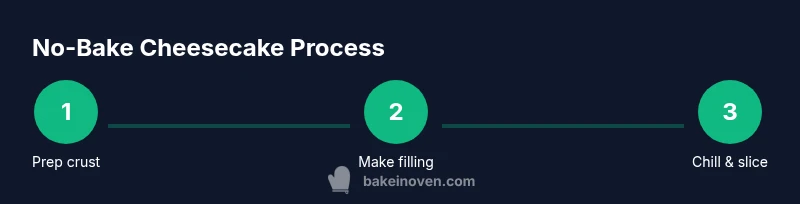
Learn to make a jello cheesecake no bake that chills until firm, using a buttery crust, cream cheese filling, and a gelatin-based set. This approach yields a glossy top, clean slices, and bright flavor with optional jelly layers or fruit toppings. Gather ingredients, assemble crust, prepare filling, pour, chill, and slice for serving.
Understanding Jello Cheesecake No Bake
This guide explains how a jello cheesecake no bake relies on a crumb crust, a creamy cream-cheese filling, and a gelatin-based setting to create a sliceable dessert without baking. According to Bake In Oven, achieving the right ratio of filling to crust is key to a balanced bite. The science behind the texture hinges on balancing fats, dairy, and gelatin so the filling sets firmly yet remains silky on the palate. In this version, you learn to use crushed cookies or biscuits as the base, cream cheese blended with sugar and vanilla for a smooth filling, and a gelatin-set top that gleams when chilled. The overall goal is a dessert that slices cleanly, holds its shape, and presents a glossy, inviting surface. We’ll cover crust options, filling technique, and flavor ideas to help you tailor the no bake to your favorite flavors while keeping the classic cheesecake vibe.
Crust Foundations: Choosing Your Base
A good crust provides texture, sweetness balance, and a sturdy edge for clean slicing. Common foundations include graham cracker crumbs, crushed digestive biscuits, or Oreo cookies; each type offers a distinct flavor. In a no bake format, butter is the binder that turns crumbs into a cohesive shell. For a lighter bite, some bakers substitute a portion of cookies with a digestive biscuit alternative. Always aim for a uniform crumb texture and press firmly into the pan so the crust doesn’t shift when the filling is added. If you’re making a layered look, reserve a portion of crumbs to dust the top after chilling. To keep the crust crisp after chilling, consider lining the pan base with parchment and refrigerating until set before adding the filling.
Cream Cheese Filling: Texture, Sweetness, and Gelatin Bind
The star of a jello cheesecake no bake is the filling—creamy, smooth, and properly sweetened. Use softened cream cheese, powdered sugar or regular sugar, vanilla, and a light fold-in of whipped topping or whipped cream for body. The gelatin in the recipe helps the filling hold its shape without baking, yielding a sliceable result that’s still pleasantly creamy. Important steps include beating the cream cheese until smooth to avoid lumps, draining any excess liquid from whipped topping to prevent a watery filling, and ensuring the mixture is fully incorporated for a uniform texture across the cake. Flavor ideas range from classic vanilla to lemon, strawberry, or coconut, with color accents from a jelly layer or fruit puree.
Gelatin, Temperature, and the Set
Gelatin is the set agent that allows this no bake dessert to firm up without heat. Dissolve unflavored gelatin in hot water (or incorporate a gelatin-based mix according to the package) and cool slightly before folding into the cream cheese base. Temperature matters: too hot and you’ll melt the filling, too cool and gelatin may set too quickly, resulting in a grainy texture. The key is to stir gently after adding gelatin to keep the filling airy, then pour over the crust gradually so you don’t disturb the shell. Refrigeration is essential—chill long enough for the filling to become fully firm and slice-ready. A common guideline is several hours, or overnight for best texture.
Flavor Variations and Colorful Toppings
One of the joys of jello cheesecake no bake is its versatility. Swap flavors by using different gelatin colors or fruit-flavored jello mixes for the top layer, or keep it classic with vanilla and berries. You can also layer a contrasting jelly color on top for a marbled look or pour a fruit topping after the filling sets. For a richer taste, use full-fat cream cheese and a whipped topping with a hint of lemon zest or vanilla. If you’re keeping it dairy-free, substitute dairy-free cream cheese and whipped topping and use a plant-based gelatin option. The result remains vibrant and delicious while accommodating dietary needs.
Troubleshooting Common Issues
Even the best no bake cheesecakes can misbehave if ingredients aren’t properly prepared. If the crust crumbles, it may be under-pressed or the crumbs were too coarse; press firmly and consider pulsing crumbs a touch longer in the processor. A runny filling often indicates insufficient chilling time or over-watery whipped topping; reduce liquid by draining excess moisture and allow extra time in the fridge. Lumps in the filling usually point to cream cheese that wasn’t fully softened; beat longer at a moderate speed. For a brittle crust, re-compress the crust and chill briefly again before adding the filling. Remember, precise measurements aren’t always necessary, but consistent technique yields the best results.
Serving, Storing, and Make-Ahead Tips
Serve the cheesecake cold straight from the fridge for clean slices and a firm texture. Use a warm knife—run under hot water and wipe dry—to cut neat portions. Store leftovers in an airtight container in the refrigerator for up to several days; for longer storage, you can freeze individual slices wrapped tightly and thaw in the fridge before serving. If you want to prep ahead, consider making the crust and filling separately, then assemble just before serving for maximum freshness. The Bake In Oven team recommends labeling and dating portions to ensure quality and consistency over time.
Tools & Materials
- 9-inch springform pan (removable sides)(Lightly spray with nonstick or line bottom with parchment)
- Mixing bowls (2-3)(For crust, filling, and gelatin mixture)
- Electric mixer or hand whisk(Helps achieve smooth filling)
- Spatula and rubber spoon(For folding and spreading)
- Food processor or resealable bag + rolling pin(Crust crackers into fine crumbs)
- Measuring cups and spoons(Accurate measurements matter)
- Saucepan(To dissolve gelatin and heat small amounts)
- Parchment paper(Line bottom for easy removal)
- Cream cheese (block, softened)(Full-fat recommended)
- Whipped topping or heavy cream for whipping(For light, airy texture)
- Butter, melted(To bind crust with flavor)
- Cookies or biscuits for crust (graham crackers, Oreos, etc.)(Flavor base option)
- Gelatin (unflavored) or gelatin mix(Set agent for the filling)
- Fruit topping or jelly (optional)(For decoration and flavor accents)
Steps
Estimated time: 45-60 minutes active + 4+ hours chilling
- 1
Prepare crust base
Crush cookies or crackers into fine crumbs and mix with melted butter until evenly coated. This creates a cohesive, flavorful base. Press the mixture firmly into the bottom of the pan using a flat-bottomed glass to ensure a compact crust. Chill briefly while you finish the filling prep.
Tip: A firm crust prevents gaps and makes slicing neater. - 2
Press crust and chill
Evenly press the crust into the pan and use the flat bottom to level the surface. Refrigerate for at least 15–20 minutes to set before adding the filling. A chilled crust holds up better when the soft filling is poured on top.
Tip: Chilling helps prevent a gummy crust when the filling is added. - 3
Beat cream cheese and sugar
In a large bowl, beat softened cream cheese with sugar until velvety and free of lumps. Add vanilla, then mix until well combined. The goal is a smooth, unified base that will carry the gelatin without graininess.
Tip: Use room-temperature cream cheese for best texture. - 4
Dissolve gelatin
In a small saucepan, dissolve unflavored gelatin in hot water per package directions, then remove from heat. Let the mixture cool slightly so it won’t shock or separate the filling when added. Stir gently to avoid creating air bubbles.
Tip: Do not add hot gelatin directly to cold filling. - 5
Combine gelatin with filling
Pour the cooled gelatin into the cream cheese mixture in a slow, steady stream while whisking. This ensures an even distribution and prevents lumps. Mix until glossy and smooth, with a uniform texture.
Tip: Pour slowly to avoid sudden temperature changes. - 6
Fold in whipped topping
Gently fold whipped topping or whipped cream into the filling until just combined. This adds lightness and helps the cake slice cleanly once set. Do not overmix, or you’ll deflate the filling.
Tip: Use a rubber spatula to preserve airiness. - 7
Pour filling over crust
Spread the filling evenly over the chilled crust with a spatula. Smooth the top to create a pristine surface for a clean slice. If you want a layered look, consider a thin jelly layer on top after the filling has set slightly.
Tip: A slight tilt of the pan helps distribute filling to the edges. - 8
Chill until set
Refrigerate the assembled cheesecake for at least 4 hours, preferably overnight, until completely firm. The chilling time ensures clean slices and a stable texture. Plan ahead for best results and flavor development.
Tip: Overnight chilling yields the smoothest, most bake-like texture. - 9
Add optional toppings
Once set, garnish with fruit, a jelly layer, or fresh berries for color and brightness. The toppings should complement the filling and crust without overpowering the delicate texture.
Tip: Use bright, contrasting colors to make the dessert pop. - 10
Slice and serve
Run a warm knife along the outside edge, then cut into clean wedges. Wipe the blade between slices for neat portions. Serve cold, and refrigerate any leftovers promptly for optimal texture.
Tip: A hot knife helps with precise, clean cuts.
Frequently Asked Questions
What is no-bake jello cheesecake?
A chilled cheesecake that sets with gelatin instead of eggs and heat. It uses a crust and a creamy filling.
No-bake cheesecake uses gelatin to set the creamy filling without baking.
Can I use unflavored gelatin instead of Jello mix?
Yes, you can use unflavored gelatin following the package directions for blooming and dissolving. The flavor comes from cream cheese, vanilla, and any toppings.
You can use unflavored gelatin; just follow the blooming and dissolving steps.
How long does it take to set?
Plan for at least 4 hours of chilling, preferably overnight, to achieve clean slices and a firm texture.
Chill for about four hours or overnight for the best set.
Can I freeze no-bake cheesecake?
Yes, individual slices can be frozen and thawed in the fridge before serving. Freezing may slightly alter texture.
You can freeze slices, then thaw in the fridge for serving.
What pan size should I use?
A 9-inch springform pan is ideal for a balanced crust-to-filling ratio and neat slices.
A 9-inch springform pan is perfect for this recipe.
Can I make a dairy-free version?
Yes, substitute dairy-free cream cheese and whipped topping, and use a plant-based gelatin option. Texture may vary slightly.
Dairy-free options work with alternative cheeses and toppings.
Watch Video
Key Takeaways
- Plan ahead: chill crust before filling.
- Gelatin gives structure without baking.
- Chill 4+ hours (overnight ideal) for best slice.
- Customize flavor with toppings and color.
- Bake In Oven recommends clear labeling for make-ahead meals.