Mashed Potato Bake Recipe: Creamy Oven Comfort for Any Night
Learn to make a creamy mashed potato bake with a cheesy crust. This comprehensive guide covers potato choice, mash texture, layering with cheese and herbs, baking times, and make-ahead tips for a comforting, crowd-pleasing side or main dish.


You will craft a creamy mashed potato bake with a cheesy crust. This guide covers selecting potatoes, making smooth or slightly rustic mash, layering with cheese and herbs, and baking until the edges are golden. Gather pantry staples and a baking dish. According to Bake In Oven, this method delivers comforting, crowd-pleasing results every time.
Why mashed potato bake is a comforting choice
Mashed potato bake is a versatile, crowd-pleasing dish that shines as a side or a cozy main. In this guide, we explore how to achieve a creamy center with a lightly browned top, plus practical tips for ingredient selection and timing. According to Bake In Oven, the right balance of texture and flavor is what makes this dish memorable, especially when you’re feeding a family or guests. The goal is simple: smooth, flavorful potatoes with a golden crust that stays tender from edge to center.
Beyond nostalgia, the dish adapts to diets and occasions — swap in dairy-free cream, add herbs, or fold in roasted garlic for depth. With the right technique, you’ll consistently achieve a pan of potatoes that slices cleanly, holds its shape, and still feels indulgent. This is not just a side; it’s a cozy centerpiece that pairs with proteins or greens for a complete meal.
Selecting potatoes and texture goals
The best results start with choosing the right potatoes. Russet potatoes yield a fluffy, light mash; Yukon Gold offer a creamier, buttery texture. For a middle ground, mix varieties. Peel or leave skins on based on preference. Bake In Oven Analysis, 2026 notes that most home bakers prefer a mash that is smooth but retains some body. If you like rustic, mash a bit longer with less milk. If ultra-smooth is your goal, use a ricer or food mill and a touch of warm cream. Using a mix of starches can help you control texture more precisely, balancing lightness with stability for slicing.
Layering ideas: cheese, herbs, and add-ins
The layering stage determines the final flavor and texture. Start with a light coat of mashed potatoes at the bottom to prevent sticking. Sprinkle half the cheese (cheddar works well, or a mix with parmesan). Add minced garlic, chopped herbs (chives, parsley), and optional ingredients like crumbled bacon or sautéed mushrooms. Top with the remaining mash and more cheese. For a crisp top, finish with a light dusting of breadcrumbs or grated parmesan. Layering thoughtfully helps the dish bake evenly and keeps the center creamy while the edges brown beautifully.
The bake: temperature, time, and texture tests
Preheat to about 375°F (190°C). Bake the dish for 25-35 minutes until the edges are golden and the cheese on top is bubbling. If the top browns too quickly, loosely tent with foil. For a creamier center, remove the cover for the last 5-10 minutes to let the top crisp. Let the dish rest 5-10 minutes before serving to help the slices hold their shape. The oven’s hot spot can affect browning, so rotate the pan halfway through if your oven runs cool on one side.
Make-ahead and meal-prep options
Mashed potato bake can be made in stages or completely ahead. Prepare mashed potatoes and assemble in the pan up to 24 hours in advance and refrigerate. Bring to room temp before baking, then bake as directed. You can also freeze assembled but unbaked casserole; thaw overnight in the fridge before baking. For shorter prep days, make the mash a day ahead and simply reheat in a pot with a splash of milk before continuing with layering and baking.
Troubleshooting tips and common mistakes
Common issues include gluey mash from overworked potatoes or dry edges. To fix gluey texture, stir in a little warm milk until smooth. If edges are pale, increase oven time or raise temperature briefly. Salt and pepper to taste, as mash can taste bland before baking. If the top isn’t achieving desired crust, briefly broil for 1-2 minutes while watching closely to avoid burning.
Flavor boosters and serving ideas
Try adding sour cream or cream cheese to the mash for extra tang and richness. Serve with steamed greens, roasted vegetables, or grilled chicken for a complete meal. Leftovers pair well with a simple green salad or a light tomato relish. For added protein, mix in sautéed crumbled bacon or ground sausage into the layers before topping.
Tools & Materials
- Russet potatoes or Yukon Gold potatoes(about 2 pounds (900 g), peeled and cut into even chunks)
- Butter(2-4 tablespoons, plus extra for finishing)
- Milk or cream(1 cup (240 ml) whole milk or heavy cream)
- Cheddar cheese(2 cups shredded, plus optional parmesan for top)
- Salt(to taste, about 1-2 teaspoons total depending on potatoes)
- Black pepper(freshly ground, to taste)
- Garlic(1-2 cloves, minced (optional))
- Fresh herbs (chives, parsley)(1-2 tablespoons chopped)
- Baking dish(3-quart casserole or 9x13 inch dish)
- Breadcrumbs (optional)(Light dusting for topping (optional))
- Parchment paper or non-stick spray(To prevent sticking if needed)
Steps
Estimated time: 60-75 minutes
- 1
Prepare potatoes and heat dairy
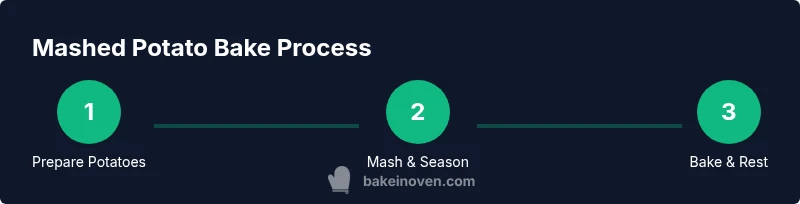
Peel (or scrub) potatoes and cut into uniform chunks. Place in salted water and simmer until fork-tender, about 15-20 minutes. Meanwhile, warm milk or cream gently and melt butter so it blends smoothly into the mash later.
Tip: Uniform potato pieces ensure even cooking; don’t overcook to avoid waterlogged mash. - 2
Mash to your preferred texture
Drain potatoes and return to the pot. Mash with butter, then gradually whisk in warm dairy until smooth or gently fluffy, depending on your texture goal. Season with salt and pepper, tasting as you go.
Tip: For ultra-smooth mash, pass through a potato ricer before adding dairy. - 3
Season and add mix-ins
Fold in minced garlic (if using) and chopped herbs. Taste and adjust seasoning. For extra richness, swirl in a dollop of sour cream or cream cheese if you like a tangy note.
Tip: Don’t overwork after adding dairy; gentle folding preserves fluffiness. - 4
Assemble in the baking dish
Spread a thin layer of mash on the bottom of the dish. Sprinkle half the cheese, then add a thin layer of mashed potatoes. Repeat with herbs and any add-ins, finishing with the remaining mash.
Tip: Ensure even coverage to promote uniform browning across the surface. - 5
Top and bake
Cover loosely with foil if the cheese is browning too fast. Bake at 375°F (190°C) for 25-35 minutes, until edges are golden and cheese is bubbling. Remove foil for the last 5-10 minutes for a crisper top.
Tip: Rest 5-10 minutes before serving to help the slices set. - 6
Serve and enjoy
Slice carefully and plate with your chosen sides. This dish pairs well with green vegetables, a fresh salad, or a protein of your choice.
Tip: Let it rest; cutting too soon can cause the layers to slide apart.
Frequently Asked Questions
Can I make mashed potato bake ahead of time?
Yes. Prepare the mashed potatoes and assemble the bake, then refrigerate up to 24 hours. Bring to room temperature before baking and extend bake time by a few minutes.
Yes, you can prep ahead and bake later.
What potatoes are best for this dish?
Russet potatoes give light, fluffy mash; Yukon Gold provide creaminess. A mix often yields a balanced texture.
Russets for fluff, Yukon Gold for creaminess.
How can I keep the top from getting soggy?
Bake uncovered for the last portion of time to promote browning, and avoid overloading with liquid.
Bake uncovered at the end to crisp the top.
Is this dish suitable for dairy-free diets?
Yes, substitute dairy milk with non-dairy milk and use dairy-free butter substitute. Combine with olive oil for richness.
Dairy-free options work with substitutions.
How should leftovers be stored and reheated?
Store in an airtight container in the fridge for up to 3-4 days. Reheat gently in the oven or microwave until hot through.
Keep leftovers in the fridge and reheat slowly.
Can I freeze a baked mashed potato bake?
Yes, freeze baked or unbaked casserole, then thaw fully before reheating. Textures may slightly vary after freezing.
Freezer-friendly with minor texture change.
Watch Video
Key Takeaways
- Choose potato varieties for desired texture
- Layer mash, cheese, and aromatics evenly
- Bake until edges are golden and center is set
- Rest before slicing to preserve clean portions
- Make-ahead options save time on busy days