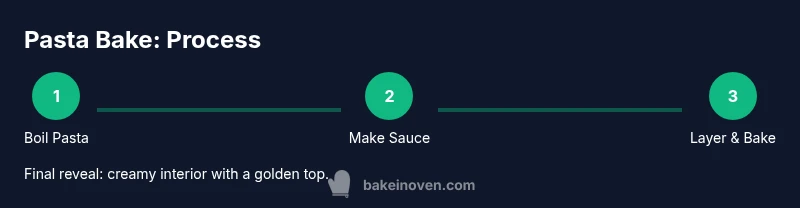
Pasta Bake: A Step-by-Step How-To for Oven-Baked Noodles
Learn to craft a creamy pasta bake with al dente noodles, rich sauce, and melted cheese. This educational how-to from Bake In Oven covers planning, layering, variations, and make-ahead tips for reliable weeknight dinners.


Learn to make a comforting pasta bake with a creamy tomato sauce and melted cheese. Boil pasta to al dente, whisk a simple sauce, combine with add-ins like spinach or mushrooms, layer with sauce and cheese, then bake until bubbly and golden. This step-by-step guide covers timing, layering, and tips for perfectly sauced pasta from Bake In Oven.
Why Pasta Bake is a Pantry-Friendly Favorite
Pasta bake sits at the intersection of comfort and practicality. It starts with simple ingredients that most home kitchens already stock: pasta, tomatoes, cheese, and a few aromatics. When you bake everything together, flavors meld and intensify, creating a satisfying dish with relatively hands-off cooking after assembly. According to Bake In Oven, pasta bake is a reliable weeknight solution because it scales up for hungry families and leftovers rehearse beautifully. The key is balancing moisture, sauce richness, and pasta texture so nothing dries out or turns mushy. Start with a solid base—cooked pasta that still has a bite—and finish with a cheese layer that browns invitingly. The result is a one-pan meal that stays flavorful whether you’re feeding four or eight.
Core Techniques for Creamy, Well-Layered Pasta Bake
A successful pasta bake relies on three core techniques: moisture management, sauce emulsification, and strategic layering. First, aim for enough sauce to lightly coat every pasta piece without swimming in liquid; a 1:1 ratio by volume is a dependable starting point for many casseroles. Next, emulsify the cheese and sauce so it clings to the pasta rather than separating. This usually means whisking a dairy component into the sauce and finishing with grated cheese that melts smoothly. Finally, layer thoughtfully: sauce on the bottom, pasta in the middle, and a generous cheese or breadcrumb topping on top. Resting the bake for 5–10 minutes after it leaves the oven helps the sauce set and makes slicing easier. Bake In Oven tests show that a golden, lightly crisp top signals a properly cooked pasta bake with a creamy interior.
Ingredient Variations and Substitutions
Pasta bake is wonderfully adaptable. You can switch shapes (penne, rigatoni, ziti) to affect sauce capture, or swap proteins and vegetables to fit dietary needs. For a creamy variation, add a small amount of cream, half-and-half, or a notebook-worthy bechamel. For dairy-free or lighter options, substitute with unsweetened plant milk and a dairy-free cheese blend, or rely on a pure tomato-based sauce with olive oil and miso for depth. If you love greens, fold in fresh spinach, kale, or chopped mushrooms—these soften during baking and add texture. Finally, consider a mixture of cheeses: mozzarella for melt and parmesan for sharpness creates a well-balanced top.
Make-Ahead, Freezing, and Reheating Strategies
Pasta bake lends itself to make-ahead meals. You can assemble, cover, and refrigerate for up to 24 hours before baking, which makes weeknights easier. Freezing is also convenient: freeze fully assembled but do not bake, or bake once and freeze slices for quick reheat. When reheating from frozen, cover and bake longer at a lower temperature to avoid a dry top. If you’re reheating leftovers, add a splash of sauce or a drizzle of olive oil to restore moisture. The Bake In Oven approach emphasizes gentle reheating to preserve texture and flavor rather than rushing to heat.
Troubleshooting Common Issues
If your pasta bake seems dry, add a little extra sauce or cream and consider a few minutes of rest after baking. A soggy top can result from too much moisture or a lid that traps steam; bake uncovered for the last 10–15 minutes to crisp the top. If cheese clumps or oil separates, whisk the sauce briefly on the stove and adjust with a teaspoon of starch or a splash of pasta water to restore cohesion. For dense, undercooked centers, ensure your pasta was properly pre-cooked to al dente and that the oven temperature is accurate. A quick check with an oven thermometer helps avoid this issue.
Serving, Storage, and Leftovers
Let the pasta bake rest briefly before slicing for clean portions. Serve with a bright green salad or garlic bread to balance richness. For storage, refrigerate leftovers in an airtight container for up to 4 days. Reheat gently in the oven or on the stovetop with a splash of sauce to maintain moisture. If you’re freezing individual portions, portion out before freezing so you can reheat without thawing the entire dish.
Tools & Materials
- Large pot for boiling pasta(3-4 quarts minimum)
- Colander(Sturdy, large holes)
- 9x13 inch baking dish(One-piece glass or metal)
- Skillet or saucepan(For sauce base)
- Mixing spoon(Wooden or heat-safe)
- Measuring cups/spoons(For accurate sauce ratios)
- Cheese: mozzarella and parmesan(Freshly grated preferred)
- Tomato sauce or crushed tomatoes(Seasoned to taste)
- Pasta (penne, ziti, or rigatoni)(Cook to al dente)
- Optional add-ins: vegetables or cooked sausage/chicken(Customize to taste)
Steps
Estimated time: 60-75 minutes
- 1
Gather ingredients and preheat oven
Assemble all ingredients and preheat the oven to 375°F (190°C). Having everything ready keeps the workflow smooth and minimizes last-minute scrambling. This step ensures even cooking and predictable results.
Tip: Pre-measure seasonings to save time during assembly. - 2
Boil pasta to al dente
Cook pasta in salted water until just shy of tender, as it will finish cooking in the oven. Drain well to prevent extra moisture that can thin the sauce.
Tip: Save a cup of pasta water to loosen the sauce if needed. - 3
Make the sauce base
In a skillet, sauté aromatics, add tomato sauce, and simmer briefly to deepen flavor. For a creamy finish, whisk a splash of cream or bechamel into the sauce before combining with pasta.
Tip: Aim for a cohesive sauce that coats pasta rather than pools at the bottom. - 4
Combine pasta, sauce, and add-ins
Toss the drained pasta with sauce and add-ins like spinach or mushrooms until evenly coated. This creates a uniform distribution of flavors in every bite.
Tip: Use a large bowl to ensure even coating. - 5
Assemble in baking dish with cheese layers
Spread a thin layer of sauce on the bottom, add the pasta mixture, then top with mozzarella and parmesan. Repeat if you’re using multiple layers or a larger dish.
Tip: Finish with a generous cheese layer for a golden crust. - 6
Bake until bubbling and golden
Bake at 375°F (190°C) for 20–30 minutes, until the edges are bubbly and the top is golden. If not browned enough, broil for 1–2 minutes watchfully.
Tip: Cover loosely if the top browns too quickly. - 7
Rest and serve
Let the pasta bake rest 5–10 minutes before slicing to let the sauce settle. Resting improves texture and makes serving cleaner.
Tip: A quick drizzle of olive oil or a squeeze of lemon brightens flavors. - 8
Make-ahead or leftovers
If making ahead, refrigerate assembled but unbaked or bake then refrigerate slices. For freezing, portion and seal tightly to preserve moisture.
Tip: Label with date and contents to simplify future meals.
Frequently Asked Questions
What pasta shapes work best for a pasta bake?
Rigatoni, penne, and ziti are popular because their tube shapes trap sauce well. Shorter shapes tend to hold sauce evenly and bake more consistently than long strands.
Rigatoni, penne, and ziti are great choices because their tubes hold sauce well, giving you even flavor in every bite.
Can I freeze pasta bake?
Yes. You can freeze unbaked or baked portions. For best texture, freeze after assembly and sauce is well distributed, then bake from frozen or thaw first.
Yes, you can freeze it either before or after baking. Thaw before baking for best texture if frozen.
How do I prevent a dry pasta bake?
Ensure sufficient sauce and moisture, avoid overcooking pasta at boil, and consider finishing with a cheese layer that adds moisture during baking.
Keep enough sauce and moisture in the dish and avoid overcooking the pasta at boil.
Is there a dairy-free version of pasta bake?
Yes. Use dairy-free cheese, unsweetened plant milk, and a tomato- or olive-oil-based sauce. Be mindful of emulsification to prevent separation.
Absolutely. Choose dairy-free cheeses and a tomato-based or olive oil sauce for a dairy-free bake.
How can I prevent the top from getting soggy?
Bake uncovered for the final 10-15 minutes to brown and crisp the cheese topping. If you notice excess moisture, drain or reduce sauce slightly before baking.
Bake uncovered near the end to crisp the top and reduce excess moisture.
What should I serve with pasta bake?
A light salad, crusty garlic bread, and a simple vinaigrette complement the richness of pasta bake and add freshness to the meal.
Pair it with a crisp salad and garlic bread for balance.
Watch Video
Key Takeaways
- Plan moisture so pasta doesn’t dry out
- Layer sauce, pasta, and cheese evenly
- Customize with add-ins for variety
- Make-ahead options save time
- Rest before serving for cleaner slices