Salmon and Asparagus Bake: A Step-by-Step Guide
Master a simple, flavorful salmon and asparagus bake with one-pan efficiency. Learn selection, prep, seasoning, baking times, and variations for weeknights and special diets.


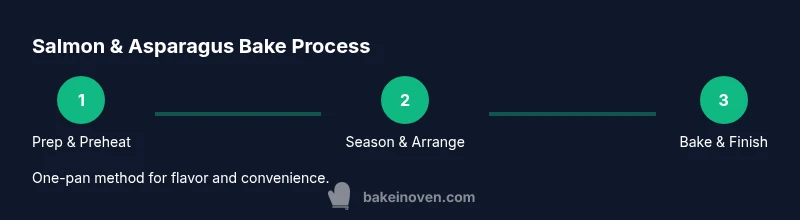
Goal: bake salmon and asparagus in one pan for a complete meal. You’ll need salmon fillets, asparagus, olive oil, lemon, garlic, salt, and pepper. Preheat to 400°F (200°C). Arrange in a single layer, season lightly, then bake for 12-20 minutes until the salmon flakes and the asparagus is tender. Finish with a brief broil if you want extra color.
Why salmon and asparagus bake is a reliable weeknight dinner
A salmon and asparagus bake is the kind of recipe that keeps weeknights simple without sacrificing flavor. The salmon stays moist when roasted with a cluster of asparagus; the roasting juices mingle with lemon and herbs to create a natural pan sauce. For home bakers, this approach minimizes dishwashing and cleanup since everything cooks on a single sheet pan. In addition, the recipe scales easily for different portions, making it suitable for a family dinner or a couple who wants leftovers. According to Bake In Oven, this method emphasizes straightforward prep, predictable timing, and forgiving texture, which is ideal for cooks still refining knife skills and oven temperatures. If you’re new to sheet-pan meals, you’ll appreciate how forgiving the workflow can be when you keep sizes similar and avoid overcrowding. When done well, the salmon flakes with gentle pressure and the asparagus remains tender-crisp but not mushy. This guide will walk you through ingredient choices, prep steps, seasoning ideas, and practical troubleshooting to ensure a reliable result every time.
Choosing the Right Salmon and Asparagus
Choosing the right salmon and asparagus sets the foundation for a successful bake. For salmon, thicker fillets that are uniform in size cook more evenly and resist drying out, especially when paired with fast-cooking vegetables like asparagus. If you can, opt for center-cut fillets that are 1 to 1.5 inches thick. For asparagus, look for firm stalks with bright green color and tight tips. Thicker asparagus will hold up better during roasting, while very thin spears can overcook quickly. When possible, choose fresh produce, but frozen salmon can work in a pinch if you adjust the bake time and ensure the fish reaches a safe internal temperature. Bake In Oven analyses show that starting with moderate to high heat helps both salmon and asparagus cook in harmony, producing a lightly browned exterior without overcooking the interior. Keep items roughly the same thickness and avoid crowding the pan to maintain even heat distribution.
Prep Work: Thawing, Trimming, and Dryness
Prep work is where many salmon and asparagus bake attempts succeed or fail. If you’re starting with frozen salmon, thaw it completely in the refrigerator or use a cold-water method to speed things up. Pat both the salmon and the asparagus dry with paper towels; moisture on the surface steams rather than roasts, which can lead to soggy edges. Trim the woody ends from the asparagus and cut any very thick spears in half lengthwise so that all pieces roast in roughly the same time. Lightly oil the salmon and asparagus to promote browning, then season with salt, pepper, and a touch of citrus or herbs. This step minimizes moisture release during roasting, helping the final bake stay juicy in the center and crisp at the edges. Proper dryness is a simple, inexpensive way to upgrade your salmon and asparagus bake without extra ingredients.
Flavor Build: Seasoning, Sauces, and Aromatics
Seasoning is where a salmon and asparagus bake gets personality. A lemon-garlic olive oil base is classic, but you can tailor the flavor profile to your preferences. Try a pinch of dried dill, parsley, or thyme; a surface brush of olive oil mixed with minced garlic adds aroma. If you like a touch of richness, finish with a light sprinkle of parmesan or a drizzle of butter after baking. For dairy-free versions, skip cheese and rely on citrus and herbs to brighten the dish. A simple pan sauce forms as the liquids released from the salmon mingle with the asparagus, creating a light glaze that coats the vegetables and fish. Remember to season the asparagus lightly; its natural bitterness can be balanced with a small squeeze of lemon and a last-minute hit of fresh herbs.
Cooking Methods and Oven Setup
Most salmon and asparagus bake recipes benefit from a single, steady heat source. Preheat the oven to 400°F (200°C) and line a large rimmed baking sheet with parchment paper or a silicone mat. Arrange the salmon fillets in the center with asparagus surrounding them in a single layer; avoid stacking. If your fillets are very thick, you can position them toward the center of the pan where heat is slightly higher. Bake until the salmon is opaque and flakes easily with a fork, typically in 12-20 minutes depending on thickness, and the asparagus is tender but still crisp. If you prefer extra color, switch to broil for 1-2 minutes at the end, watching closely to prevent burning. For a crisper exterior, you can finish under a hot broiler or convection setting for a brief time. Always use parchment or a silicone mat for easy cleanup and even cooking.
Step-By-Step Timeline: Doneness Cues
A well-executed bake hinges on timing and visual cues. Start with a preheated oven at 400°F and place the sheet inside promptly to minimize heat loss. The salmon is done when it flakes easily and has an internal temperature around 145°F (63°C). The asparagus should be bright green and tender-crisp, usually taking less time than the fish. If your fillets are thinner, check after about 10-12 minutes; thicker cuts may require up to 18 minutes. If you see juices pooling around the fish, you can tilt the pan slightly to drain and prevent soggy bottoms. A quick tip is to rotate the pan halfway through the bake to promote even browning. Rest the dish for 2-3 minutes before serving to allow juices to redistribute. This rest makes the flavors meld and improves texture.
Variations for Diets and Colorful Variations
While the classic version is simple, you can customize a salmon and asparagus bake to suit different diets and preferences. For dairy-free eaters, skip cheese and rely on lemon zest and fresh herbs to lift flavors. For a savory, richer profile, add a thin layer of breadcrumbs mixed with olive oil and herbs for a light crust on top of the salmon. For a paleo-friendly approach, avoid dairy and use olive oil, lemon, garlic, and herbs. If you want color variety, add cherry tomatoes, sliced bell peppers, or sliced zucchini to the pan. You can also change up the herbs—dill with lemon works beautifully for seafood, while thyme or oregano offers a more Mediterranean vibe.
Troubleshooting Common Issues
Even a well-planned bake can trip up home cooks. If the fish is overcooking and drying out, reduce the bake time by 2-4 minutes next round or lower the oven temperature by 25°F and extend cooking time slightly to keep moisture. If the asparagus turns mushy, remove it early and finish the dish under the broiler for color without overcooking. Soggy results usually come from overcrowding or insufficient drying. Ensure there’s plenty of space on the sheet pan and pat ingredients dry before roasting. If the pan releases too much moisture, tilt the sheet to let it evaporate. Finally, if you want a deeper lemon flavor, you can add a little lemon juice just before serving.
Tools & Materials
- rimmed baking sheet(A full-sheet pan helps keep everything in a single layer for even roasting.)
- parchment paper(Prevents sticking and makes cleanup effortless.)
- sharp knife(Trim features and slice lemon zest or herbs as needed.)
- cutting board(Stable surface for trimming fish and vegetables.)
- mixing bowl(Whisk oil, lemon juice, garlic, and herbs.)
- olive oil(Use extra-virgin for best flavor.)
- lemon(Zest and juice add brightness.)
- garlic(Fresh or dried; minced for aroma.)
- salt(Balanced seasoning without overpowering fish.)
- black pepper(Fresh ground is best for aroma.)
- tongs(Safe handling while turning fish and vegetables.)
- food thermometer(Check that salmon reaches 145°F (63°C).)
Steps
Estimated time: 40-50 minutes
- 1
Preheat and prepare
Preheat the oven to 400°F (200°C). Line a rimmed baking sheet with parchment paper and set any measurements nearby so you can stay organized as you work. The goal is to have a hot, evenly heated surface ready for the salmon and asparagus. This initial setup helps ensure even browning and prevents sticking.
Tip: Preheat before you grab ingredients to minimize heat loss when you place the pan in the oven. - 2
Pat dry and season salmon
Pat salmon fillets dry with paper towels to remove surface moisture. Lightly oil the skin-side (or all over if skinless) and season with salt, pepper, and a touch of lemon zest or herbs. Dry surfaces promote a crisp exterior and prevent steamed texture.
Tip: A dry surface is essential for browning; moisture is the enemy of crispness. - 3
Prepare asparagus
Wash and trim the woody ends of the asparagus. If spears vary in thickness, cut thicker ones in half lengthwise so that all pieces roast in roughly the same time. Toss with a small amount of olive oil and a pinch of salt.
Tip: Uniform thickness ensures even cooking across the pan. - 4
Arrange on sheet
Place the salmon fillets in the center of the sheet and arrange asparagus around them in a single layer. Do not overcrowd the pan; proper spacing allows hot air to circulate for even browning.
Tip: Keep space between pieces to avoid steaming. - 5
Flavor and glaze
Whisk olive oil, lemon juice, minced garlic, and herbs in a bowl. Brush or drizzle this over the salmon and asparagus so every piece gets flavor. A light citrus note brightens the dense fish without overpowering it.
Tip: Avoid adding too much liquid; a light coating is enough to flavor without washing away browning. - 6
Bake
Bake in the preheated oven for 12-20 minutes, depending on fillet thickness. Check doneness by flaking the salmon with a fork and testing for an internal temperature around 145°F (63°C). The asparagus should be tender-crisp.
Tip: Rotate the pan halfway to promote even cooking. - 7
Optional finish
If you want extra color, switch to broil for 1-2 minutes at the end, watching closely to prevent burning. A quick high-heat finish adds color without drying the fish.
Tip: Keep a close eye under broil; heat is intense and short. - 8
Rest and serve
Let the bake rest for 2-3 minutes before serving to let juices redistribute. Plate the salmon fillets with asparagus and drizzle any pan sauce over the top for a polished presentation.
Tip: A brief rest improves texture and flavor distribution.
Frequently Asked Questions
Can I use frozen salmon for this bake?
Yes, you can use frozen salmon if you thaw it fully first. If cooking from frozen, add 5-10 minutes to the bake time and check for doneness with a thermometer. Pat dry after thawing to remove surface moisture before seasoning.
Yes, you can use frozen salmon if you thaw it first; add time and check doneness with a thermometer.
What internal temperature should the salmon reach?
Aim for an internal temperature of 145°F (63°C) for safe consumption as recommended by food safety guidelines. Let the fish rest briefly after baking to redistributed juices.
Cook salmon to 145°F, then rest a few minutes before serving.
Can I add cheese or dairy to this bake?
Cheese is optional. If you add cheese, do so in the last 2-3 minutes of baking to melt without burning. For dairy-free versions, skip cheese and rely on citrus, herbs, and olive oil for flavor.
Cheese is optional; add near the end if using. For dairy-free, skip it and rely on herbs and citrus.
What should I do if my asparagus turns mushy?
Mushy asparagus usually means overcooking or small spears. Use thicker spears and remove asparagus a minute or two before the fish is done, finishing under a brief broil if needed.
If asparagus gets mushy, give it a shorter bake next time and watch for crisp-tender texture.
How can I scale this recipe for more people?
To serve more people, increase the quantity of salmon and asparagus in direct proportion while preserving the single-layer layout. If your sheet pan becomes crowded, use a second pan or bake in batches.
Scale ingredients in proportion and avoid crowding the pan.
Watch Video
Key Takeaways
- Prep ingredients and pan first for smoother workflow
- Keep salmon and asparagus in a single layer for even browning
- Check for 145°F internal temp to ensure doneness
- Finish with a brief high-heat blast if you want color
- Store leftovers promptly for best quality