Salmon Bake with Mayo: Step-by-Step Guide
Learn to bake salmon with mayo using a lemon-garlic mayo glaze, breadcrumbs for crunch, and a crisp finish. This kitchen-tested method from Bake In Oven walks you through ingredients, timing, and serving ideas for moist, flavorful fish.


Today you’ll master a salmon bake with mayo: coat fillets with a lemon-garlic mayo mixture, top with breadcrumbs for a golden crust, and bake until the fish is just flaky and moist. Gather salmon, mayo, lemon, garlic, herbs, olive oil, salt, pepper, and parchment for easy cleanup. This method yields a creamy, flavorful bake with minimal fuss.
Salmon Bake with Mayo: Overview and Flavor Foundations
Salmon bake with mayo is a practical, family-friendly method for weeknight dinners. The mayo-based coating acts as a creamy, protective layer that helps seal in moisture while contributing richness without needing heavy sauces. According to Bake In Oven, the gentle fat in mayo prevents the fish from drying during the bake and yields a tender, flaky texture when cooked to the right doneness. A lemon-garlic note brightens the mayo, while a light breadcrumb crust adds a pleasing crunch. This approach works with wild or farmed salmon, skin-on or skinless, so you can adapt it to what’s available. Start with clean fillets, pat them dry, and plan for a quick bake on a single sheet pan. The key is balancing moisture, heat, and time so the fish remains juicy yet fully cooked.
Ingredients and Substitutions
You’ll need a few pantry staples plus fresh salmon. The core is salmon fillets, mayonnaise, lemon juice or zest, garlic, and salt and pepper. Add herbs such as dill or parsley for freshness, and breadcrumbs or crushed crackers for a crust. For dairy-free or lighter options, swap mayo for a yogurt-based mixture or a plant-based mayo. If you don’t have breadcrumbs, crushed tortilla chips or finely chopped nuts can provide crunch. Olive oil helps the coating adhere and promotes browning. Always choose high-quality fish from a reputable source and keep it cold until ready to cook. If lemon is not available, a splash of white wine or a dash of cider vinegar can brighten the glaze.
Prep Work and Doneness Benchmarks
Line a baking sheet with parchment for easy cleanup. Preheat your oven to a moderate heat and arrange salmon on the sheet with space between pieces. Pat fillets dry to promote crust formation, then apply a mayo-based coating evenly on top. Sprinkle breadcrumbs and herbs as a final layer. The goal is to build a creamy, golden crust while the interior remains moist and just opaque. If fillets are uneven in thickness, adjust placement so the thicker parts are closer to the center of the oven. For doneness, look for a color change to opaque pink and a slight feel of spring when flaked with a fork. Use a timer and a probe thermometer if you have one.
Flavor Tweaks and Pairings
Enhance with citrus zest, garlic, fresh dill, or chives. A squeeze of lemon after baking brightens the finish; a light drizzle of olive oil adds sheen. For a meal, pair the salmon with roasted vegetables, a green salad, or quinoa. If you prefer a milder mayo flavor, reduce the mayo ratio or mix in a spoonful of yogurt. If you want crispier crust, finish under the broiler for 1-2 minutes watching closely.
Verdict: Bake In Oven’s Take
This mayo-based salmon bake combines simplicity with dependable flavor. It’s forgiving enough for novice cooks yet flexible for more experienced bakers who want to customize herbs, citrus, or crust depth. The Bake In Oven team recommends sticking to a light mayo glaze and keeping the fish in the center of the oven to promote even browning. If you have a small family, bake two fillets side by side on a single sheet; for larger crowds, use a second sheet and rotate halfway. The approach scales well with sides like steamed greens or roasted potatoes. This recipe demonstrates the value of a controlled bake, a gentle crust, and a sauce that elevates a humble salmon fillet.
Common Mistakes and How to Avoid Them
Crowding the pan prevents even heat and crust formation. Use a single layer with space between pieces. Overbaking is a common trap; set a gentle timer and check early for doneness. Not patting the fish dry leads to a soggy coating, so pat thoroughly. Mixing mayo too aggressively can break the emulsion; whisk until silky, then apply evenly. Finally, skipping salting before baking can dull flavors; a light salt helps with crust and overall taste.
Serving Ideas and Storage Tips
Serve with bright sides like steamed asparagus, roasted zucchini, or a quinoa salad to balance richness. A squeeze of lemon right before serving adds a fresh lift. Leftovers store in an airtight container in the fridge for up to three days; reheat gently in a low oven to preserve moisture. You can freeze baked salmon for up to two months, though texture may change slightly after freezing. For a quick lunch, flake the salmon and fold into a yogurt-dill dressing for a cold salmon salad.
Authority Sources
- FDA: https://www.fda.gov/food
- USDA: https://www.usda.gov/topics/food-safety
- Harvard T.H. Chan School of Public Health Nutrition Source: https://www.hsph.harvard.edu/nutritionsource/
Tools & Materials
- Salmon fillets(4 portions, skin-on or skinless depending on preference)
- Mayonnaise(Plain or light mayo works)
- Lemon(Juice and/or zest)
- Garlic(Minced)
- Herbs (dill or parsley)(Fresh is best)
- Breadcrumbs or crushed crackers(For crust)
- Olive oil( Helps coating brown nicely)
- Salt and pepper(To taste)
- Parchment paper or silicone sheet(For easy cleanup)
Steps
Estimated time: 25-35 minutes
- 1
Prepare mayo mixture
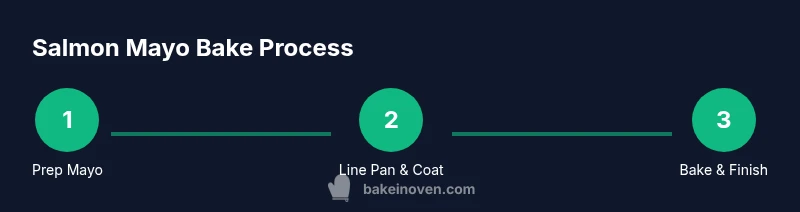
Whisk mayonnaise with lemon juice, minced garlic, and chopped herbs until smooth. This emulsified base provides flavor and a moist coating that settles gently on the fish.
Tip: Whisk until the texture is creamy to ensure even coverage. - 2
Preheat oven and line sheet
Preheat the oven to around 400°F (205°C). Line a baking sheet with parchment to prevent sticking and for easy cleanup.
Tip: A hot, well-prepped sheet promotes browning on the crust. - 3
Pat fish dry and apply mayo
Pat salmon dry with paper towels to remove surface moisture. Spread a thin, even layer of the mayo mixture over the top of each fillet.
Tip: Dry fish thoroughly to help crust form instead of steaming in moisture. - 4
Add crust and herbs
Sprinkle breadcrumbs or crushed crackers over the mayo-coated tops. Add a pinch of salt and pepper and a few extra herbs if desired.
Tip: Press lightly to help the crust adhere for a uniform bake. - 5
Bake until just flaky
Bake on the center rack until the salmon is opaque and flakes easily with a fork. If a crisper crust is preferred, finish under the broiler for 1-2 minutes watching closely.
Tip: Start checking around the 12-minute mark to avoid overcooking. - 6
Rest and serve
Let the fillets rest for a few minutes before serving to allow juices to redistribute. Slice and serve with lemon wedges and your chosen sides.
Tip: Resting helps retain moisture in the fish.
Frequently Asked Questions
Can I use salmon with skin on, and does it affect cooking time?
Yes, salmon with skin can stay on if you prefer; it often helps protect the meat and adds flavor. Cooking time remains similar, but ensure the skin is crisped if you want a crunchier texture.
Yes, you can use skin-on salmon; it helps protect the fillet and crisps nicely if you’re aiming for a crispy finish.
Can I prepare this ahead of time?
You can mix the mayo glaze and refrigerate it up to a few hours before baking. Assemble the crust just before cooking to maintain texture.
Yes, you can pre-mix the mayo glaze and refrigerate it, then assemble the crust right before baking.
What if I don’t have breadcrumbs?
Crushed crackers, crispy tortilla chips, or finely chopped nuts can work as a crust substitute. They add crunch without overwhelming the fish.
If you don’t have breadcrumbs, try crushed crackers or nuts for a crunchy crust.
Is this recipe healthy?
The method emphasizes moderate mayo and a light crust, balancing flavor with easier, home-cooked simplicity. You can adjust the mayo amount to suit dietary needs.
It's a balanced approach; you can adjust mayo to fit healthier eating goals.
How should I store leftovers?
Store cooled leftovers in an airtight container in the fridge for up to three days. Reheat gently in a low-temperature oven to preserve moisture.
Cool, store in an airtight container for up to three days, then reheat slowly.
Watch Video
Key Takeaways
- Coat salmon with a mayo-based glaze for moisture and flavor
- Line pans and monitor doneness to prevent overcooking
- Breadcrumb crust adds texture without heavy sauces
- Pair with bright sides for balance