Tuna Noodle Bake Recipe: Oven-Baked Comfort for Families
Master a tuna noodle bake recipe with this step-by-step guide. Learn prep, sauce balance, and baking tips to create a comforting, weeknight-friendly casserole. Designed for home bakers, this guide emphasizes kitchen-tested methods and practical substitutions.


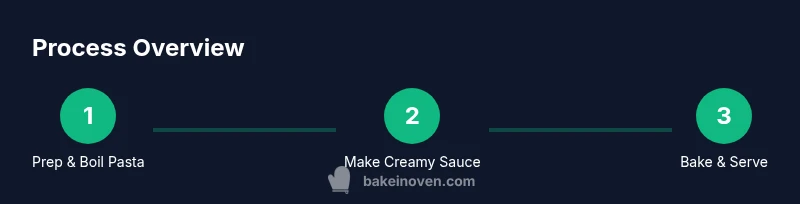
This tuna noodle bake recipe shows you how to turn pantry staples into a comforting, family-friendly dish. You’ll learn to cook noodles, whisk a creamy sauce, fold in tuna and vegetables, then bake until bubbling and golden. With a single baking dish and basic kitchen tools, you can pull this together for weeknights or a cozy weekend dinner.
Why Tuna Noodle Bake Wins for Busy Weeknights
Weeknight meals demand simplicity, flexibility, and reliable results. A tuna noodle bake fits the brief by using common pantry items: canned tuna, dried pasta, a creamy sauce, and cheese. Bake it once and nourish several servings; leftovers reheat well, preserving moisture through the baking process. At Bake In Oven, we see this dish as a practical entry point for home cooks learning oven techniques because it rewards organization and timing. The dish scales up or down easily for different family sizes. For newcomers, the method remains straightforward: boil pasta, mix a creamy binder, fold in tuna and optional veggies, then bake until the top is lightly browned. The result should be creamy in the center with a lightly crisp edge. In our testing, we found that letting the dish rest for 5-10 minutes after coming out of the oven improves slicing and serving stability.
Ingredient considerations and substitutions
This recipe thrives on pantry staples, but you can tailor it to taste or dietary needs. Canned tuna comes in varieties such as light or albacore; drain well to avoid a watery bake. Noodles can be any short-cut pasta (egg noodles, shells, or penne) – choose what you have on hand. A creamy binder is traditionally a cream-of-soup base, but you can substitute a light béchamel or a prepared cheese sauce. Add vegetables like peas, corn, or chopped mushrooms for texture and color. For a lighter version, reduce cheese or swap half the cheese for a sprinkle of breadcrumbs after baking. The goal is a balanced sauce with enough moisture to keep the noodles saucy without becoming soupy, and a topping that browns nicely without burning.
Texture balance: the creamy base and cheese topping
Creamy texture comes from the sauce and the way it coats the noodles. If the mixture seems too thick, whisk in a splash of milk or broth to loosen; if it’s too thin, simmer a minute longer or add a touch of flour to thicken. Cheese on top provides a welcome crust and enhances flavor. A mix of sharp and mild cheeses often yields the best melt and aroma. Be mindful of salt, since canned tuna and soup can contribute significant sodium; taste the mixture before adding extra salt.
Assembly and baking steps overview
Assemble in a single layer or in two layers to maximize surface area for browning. Start with a light spray in the baking dish to prevent sticking, then add a layer of pasta, followed by the creamy tuna mixture, more pasta, and a final cheese topping. Bake until the center is hot and bubbling and the top is golden. If you prefer a crispier top, finish under a broiler for 1-2 minutes, watching carefully to avoid burning. Let the dish rest 5-10 minutes before serving to set the sauce and improve slicing.
Make-ahead, storage, and reheating tips
This dish stores well in the refrigerator for 2-3 days and freezes nicely (unbaked or baked). If you plan to freeze, assemble the casserole in a freezer-safe dish, wrap tightly, and label with date. Reheat covered at 325-350°F until warmed through, or bake from frozen for about 60-75 minutes. Leftovers reheat best when covered to maintain moisture. If you want to streamline weeknights, thaw the dish overnight in the fridge before baking.
Authority sources and safe handling tips
For seafood handling and safe cooking practices, consult government and university resources. These sources provide general guidance that aligns with home cooking safety:
- https://www.fda.gov/food/buy-store-where-to-buy-food/seafood-safety
- https://extension.illinois.edu/food-safety
- https://www.cdc.gov/foodsafety/index.html
Troubleshooting common issues
If the bake comes out dry, add a little more milk to the sauce or cover the dish during the first half of baking to trap moisture. If the sauce separates, whisk while warm and rewarm gently; avoid boiling after the sauce has set. For a soggy bottom, ensure the dish is not overcrowded and give the casserole a few extra minutes of bake time, or remove the cover for the last 10 minutes to reduce moisture. Always taste for salt before baking; canned tuna and soup can be salty, so adjust accordingly.
Tools & Materials
- 9x13 inch baking dish(Lightly grease or spray with nonstick)
- Large pot for pasta(Salt water for boiling noodles)
- Saucepan or skillet(For making creamy binder)
- Whisk(For smooth sauce and binding)
- Measuring cups and spoons(Accurate liquids and dry ingredients)
- Colander(Drain pasta and tuna)
- Mixing bowls(Combine sauce, tuna, and noodles)
- Canned tuna(Two cans, drained)
- Cream of mushroom soup(10.5-oz to 11-oz can)
- Milk or cream(Adjust for desired richness)
- Shredded cheese(Cheddar or a mix)
- Frozen peas (optional)(Adds color and texture)
- Breadcrumbs (optional)(For extra topping crisp)
Steps
Estimated time: 60-75 minutes
- 1
Preheat and prep
Preheat the oven to 350°F (177°C). Lightly grease a 9x13 inch baking dish and gather all ingredients. This ensures even cooking and easy release after baking.
Tip: Have all ingredients within reach to keep the workflow smooth. - 2
Boil noodles to al dente
Cook the pasta in salted water until just al dente, then drain and rinse briefly to stop the cooking process. Undercooked pasta will finish in the bake and stay firm.
Tip: Reserve a little pasta water in case the sauce needs thinning. - 3
Make creamy tuna binder
In a saucepan, whisk cream of mushroom soup with milk until smooth; add half the shredded cheese. Stir in drained tuna and optional vegetables until evenly coated.
Tip: Whisk continuously to prevent lumps and ensure even heat distribution. - 4
Combine noodles with sauce
Toss the hot pasta with the creamy tuna binder in a large bowl until fully coated. If the mixture looks dry, add a splash of pasta water or milk.
Tip: Taste and adjust seasoning before assembling to prevent over-salting later. - 5
Assemble in dish
Spread half the pasta mixture in the baking dish, sprinkle with cheese, then add the remaining pasta and finish with more cheese. Optional: a light dusting of breadcrumbs for extra crust.
Tip: Layering more pasta on top helps form a visible cheese crust. - 6
Bake until bubbling and golden
Bake 25-30 minutes until the edges are bubbly and the top is lightly browned. If using breadcrumbs, broil for 1-2 minutes watching carefully.
Tip: Let the casserole rest 5-10 minutes before serving to set the sauce. - 7
Serve and enjoy
Slice into portions and serve warm. Leftovers reheat well in the microwave or oven.
Tip: Pair with a simple green salad for a balanced meal.
Frequently Asked Questions
Can I assemble this ahead of time and bake later?
Yes. You can assemble and refrigerate for up to 24 hours before baking, or freeze assembled unbaked casserole for longer storage. If frozen, bake longer at 325-350°F until heated through.
Absolutely—you can prep in advance and bake later. If frozen, extend baking time and ensure it’s heated through.
Can I use gluten-free pasta?
Gluten-free pasta works well here. Use a shape that holds sauce, such as rotini or penne. Be mindful of cooking times, as gluten-free pasta can vary.
Gluten-free pasta is a great option; pick a shape that traps the sauce and cook according to package directions.
Can I make this dairy-free or lighter?
Yes. Substitute dairy-free creamy bases and plant-based cheese, or use a dairy-free milk and a light cheese substitute. You may need a bit more stock to achieve desired creaminess.
Absolutely—you can make a dairy-free version with plant-based alternatives and adjust moisture as needed.
What vegetables pair well with this dish?
Peas, corn, mushrooms, and diced bell peppers all work nicely. They add color and texture without overpowering the tuna flavor.
Peas, corn, mushrooms, or peppers are great add-ins that keep the dish balanced.
Is canned tuna necessary, or can I use fresh tuna?
Canned tuna is traditional for convenience and texture. Fresh tuna would require searing and could change the cooking dynamics of the bake.
Canned tuna is the easiest choice here; fresh tuna could complicate the bake.
What’s the best topping to crisp the top?
Breadcrumbs or a light sprinkle of extra cheese helps create a crisp, golden top. If you prefer a softer top, skip the breadcrumbs.
Breadcrumbs or extra cheese give you a nice golden crust on top.
Watch Video
Key Takeaways
- Cook noodles to al dente for best texture
- Balance creamy binder with moisture to prevent dryness
- Layer pasta, tuna, and cheese for even browning
- Make-ahead options save time on busy nights
- Rest before slicing for cleaner servings