When to Change Brake Fluid in Your Car: A Practical Guide
A data-driven guide on when to change brake fluid, how to test moisture, and safe replacement steps to maintain braking performance.


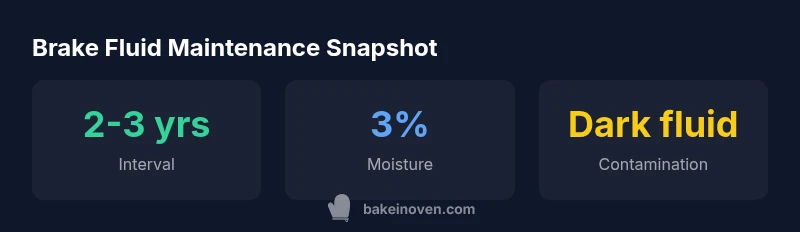
Brake fluid typically needs replacement every 2-3 years, depending on driving conditions, climate, and fluid type. Moisture testing (via refractometer) and color assessment are common indicators that a flush is due, especially if you notice spongy brakes or reduced braking performance.
What brake fluid does and why it wears out
Brake fluid is the hydraulic medium that transfers force from the brake pedal to the brake calipers. It operates under high pressure and heat, but it’s not a “consumable” in the traditional sense. The key problem is moisture uptake: brake fluid is hygroscopic, meaning it absorbs water from the air over time. As the moisture content rises, the fluid's boiling point falls, increasing the risk of vapor lock under hard braking or climbing hills. This can lead to spongy brakes, longer stopping distances, or brake fade. Different brake-fluid formulations exist (DOT 3, DOT 4, DOT 5.1, and the older DOT 5 silicone-based fluid). Each type has different boiling points and compatibility requirements, and cross-mixing is typically discouraged. Manufacturers specify replacement intervals in the owner's manual, but real-world conditions—such as frequent short trips in stop-and-go traffic, high humidity, extreme heat, or heavy use—can accelerate degradation. In practice, a well-maintained system with clean, properly bled fluid maintains braking stability and response. Routine checks of the reservoir level, cap seal, and visible fluid color are the first line of defense against emerging issues. If you see cloudy or dark fluid, or if you notice moisture on the cap, it's time to test the fluid quality and plan a flush if needed.
Signs you need a brake fluid change
Red flags, such as a spongy brake pedal, longer stopping distances, or a soft brake feel, often point to aging or contaminated fluid. Fluid color can also reveal a lot: fresh brake fluid is pale yellow; as it ages, moisture and particulates darken it to amber or brown. A dark, syrupy, or milky appearance, or a burnt odor, indicates degradation and possible contamination. Moisture and particulate matter reduce viscosity and braking effectiveness, especially in hot conditions or during repeated heavy braking. If your vehicle’s warning system lights—like the ABS or brake warning—illuminate, a professional inspection is warranted. When performing routine maintenance or bleeding brakes, if new fluid remains dark or a moisture test shows elevated moisture levels, plan a flush. Depending on climate and usage, some owners opt for a 2-year flush cadence, while others in moderate usage may extend toward 3 years. Always consult the owner's manual and consider a professional evaluation if unsure.
How moisture testing works and what numbers mean
Moisture in brake fluid is measured with a refractometer or dedicated test strips. A reading near 0-1% moisture is excellent, up to about 3% is typically acceptable for many DOT formulations, and readings above 3% indicate significant moisture content that should be addressed with a flush. Thresholds vary by vehicle and fluid type, so always compare results to the manufacturer’s guidelines. Even small amounts of moisture can lower the boiling point enough to cause brake fade under heavy use. When reading moisture results, also assess color and clarity; clear yellow fluid is preferable to dark or opaque samples. Documentation of test results over time can help establish a personalized maintenance rhythm—allowing you to predict when next service is prudent rather than relying on a fixed calendar alone.
Step-by-step guide to changing brake fluid safely
Before you start, gather the appropriate fluid grade for your vehicle (DOT specification as stated in the manual), a clean container for old fluid, a bleed kit, gloves, eye protection, and rags. 1) Inspect the reservoir and cap; clean the cap to prevent contamination. 2) Remove the reservoir cap and top off with fresh fluid to avoid air entering the system. 3) Starting with the wheel farthest from the master cylinder, connect the bleed tool and loosen the bleed valve slowly to let old fluid and any air escape; watch the level in the reservoir and refill as needed. 4) Repeat bleeding at each wheel until new fluid appears clear and free of air. 5) Refill the reservoir to the recommended level, then pump the brake pedal to seat the new fluid and verify firmness. 6) Wipe away any spilled fluid (brake fluid damages paint) and test-drive gently to confirm normal braking response. 7) If you are unsure about safety, seek a professional service—brake fluid changes can be hazardous if performed improperly.
Choosing the right brake fluid and maintenance plan
Selecting the correct brake fluid is essential for performance and safety. DOT 3, 4, and 5.1 are glycol-based and compatible within the same family; DOT 5 is silicone-based and is not compatible with glycol-based fluids. Mixing between different DOT types is generally discouraged and can cause corrosion, reduced boiling points, and seal damage. Before a change, confirm the correct fluid type in your owner’s manual or with a technician. When planning maintenance, factor in your driving conditions: frequent city stop-and-go driving, steep climbs, tows, or high heat will push the fluid harder and can shorten service intervals. Establish a routine: perform moisture testing at regular intervals, keep a spare bottle of fluid on hand, and schedule professional inspections before long trips or seasonal changes. A well-documented maintenance plan improves reliability and minimizes safety risks.
Common mistakes and troubleshooting
Common mistakes include using the wrong DOT specification, not completely flushing the old fluid out of the system, and failing to bleed all four corners when performing a flush. Don’t forget to clean the reservoir and cap to avoid contaminants entering the system. Never mix DOT 3/4/5.1 with DOT 5 silicone-based fluids. If you encounter a persistent soft pedal after a flush, reassess the procedure or seek professional help; air pockets or contaminated residual fluid can linger. If you notice a fresh fluid that remains dark, or if moisture readings remain high after a flush, it may indicate a leak in the system, a failing master cylinder seal, or corroded components that require more extensive service.
Age-related considerations and driving conditions
Vehicle age and driving conditions influence brake-fluid life. In older cars or vehicles with frequent hard braking, glycol-based fluids may absorb moisture faster, necessitating earlier flushes. In hot climates or vehicles used for towing, the system runs hotter and the fluid degrades more quickly. Short trips and lots of moisture can accelerate aging due to repeated heating and cooling cycles. A proactive approach combines scheduled moisture testing with a practical replacement window tailored to your climate and usage. If you drive in challenging conditions or notice symptoms sooner, adjust the maintenance cadence downward (i.e., more frequent testing and earlier replacement) to maintain optimal braking performance. Regular inspections by a qualified technician, at least annually or with major service, help catch leaks, seal wear, and other issues before they impact safety.
Brake fluid service basics
| Component | Role | When to service |
|---|---|---|
| Brake fluid | Hydraulic brake system fluid | Service interval: 2-3 years; test moisture; replace when needed |
| Moisture test | Measures water content | Threshold: 3% moisture; replace when above |
| Bleed procedure | Removes air and old fluid | Do with care; follow manual; may require professional service |
Frequently Asked Questions
How often should brake fluid be changed?
Most vehicles benefit from a brake-fluid change every 2-3 years, but always follow your owner's manual. Consider more frequent changes in demanding conditions or if moisture tests indicate high levels.
Most cars should have their brake fluid changed every 2-3 years, but always check the manual and test moisture if you drive in tough conditions.
Can I change brake fluid myself or should I take it to a shop?
A DIY change is possible with proper tools and safety precautions. If you’re unsure, or the system is leaking, seek a professional service to avoid air pockets or leaks.
You can do it at home if you have the right tools and follow steps carefully, but consider a shop if you’re unsure.
What happens if I wait too long to change brake fluid?
Delaying changes increases moisture content, lowers boiling point, and risks brake fade or system corrosion. It can also damage seals and cause leaks over time.
Waiting too long can lead to brake fade and potential seal damage. Regular testing helps prevent this.
Does DOT 5 silicone brake fluid mix with DOT 3/4/5.1?
Mixing glycol-based fluids (DOT 3/4/5.1) with DOT 5 silicone-based fluid is not recommended. If you switch, flush the entire system to remove old fluid.
Do not mix DOT 5 with glycol-based fluids; flush if you’re changing types.
Do I need to bleed all four brakes when changing fluid?
Bleeding all four corners is common to ensure no air remains, especially in ABS-equipped systems. Some situations may only require rear or two wheels, depending on the bleed sequence.
Bleeding all four brakes is typically recommended to remove air completely.
“Regular testing and timely fluid changes are the simplest, most effective ways to preserve braking performance and safety.”
Key Takeaways
- Follow the 2-3 year baseline but adjust for climate and use
- Use moisture testing to guide timing, not only calendar dates
- Do not mix different brake-fluid types
- Bleed and replace with care to avoid air and contamination
- Regular testing and maintenance preserve braking performance