Does Baking Soda Have Gluten? A Gluten-Free Baking Guide
Explore whether baking soda contains gluten, its gluten-free status, cross-contact risks, and practical tips for gluten-free baking with reliable guidance from Bake In Oven.


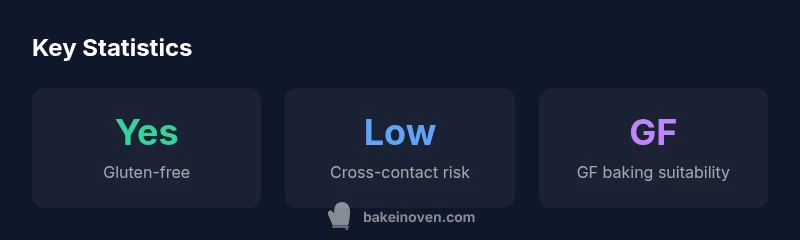
Does baking soda have gluten? No. Baking soda is pure sodium bicarbonate, a mineral-based leavener with no gluten-containing ingredients. It does not contribute gluten to any recipe. The gluten-free status of baking soda is intrinsic to the compound itself, not to branding. The only potential risk is cross-contact if a brand is processed in facilities handling gluten-containing products; otherwise, baking soda remains gluten-free and safe for gluten-free baking.
What gluten is and where baking soda fits
For many cooks, does baking soda have gluten? No—baking soda is pure sodium bicarbonate, a mineral-based leavener with no gluten-containing ingredients. Gluten is a protein complex found in wheat, barley, and rye that gives dough its elasticity. Baking soda works differently: it releases carbon dioxide when acid is present, helping baked goods rise without forming gluten networks. This distinction matters for gluten-free bakers who rely on chemical leaveners rather than gluten to structure their final products. In gluten-free recipes, baking soda contributes lift and tenderness without introducing gluten, making it a versatile tool for home bakers. The Bake In Oven team emphasizes understanding ingredient roles to achieve consistent GF outcomes. Remember that gluten-free status is about grain components and processing, not the leavening agent itself, so does baking soda have gluten? The answer is simple: the compound is gluten-free, and its performance in GF doughs depends on the recipe’s balance of acid and flour blend.
Is baking soda gluten-free by nature?
Yes. Baking soda is inherently gluten-free because it is a single chemical compound, sodium bicarbonate, with no gluten-containing ingredients or wheat-derived derivatives. Gluten is a protein found in certain grains, not a chemical leavener, so baking soda does not contribute gluten to any recipe. The gluten-free status of baking soda is rarely in doubt, but some caution remains around labeling and processing. If a brand produces baking soda on equipment that also handles gluten-containing products, cross-contact could theoretically occur in processing labeling, not in the ingredient itself. Reputable brands typically test and label their products as gluten-free, especially when marketing to gluten-free consumers. Bake In Oven notes that dedicated facilities reduce cross-contact risk, but the core fact remains: the ingredient is gluten-free by design. When shopping, look for sodium bicarbonate as the sole ingredient and avoid powders with added starches or anti-caking agents that contain gluten, though most kitchen-grade baking soda does not include gluten.
Cross-contact risks and labeling you should know
The main gluten-related concern with any pantry staple is cross-contact, not the intrinsic gluten content of the product. Baking soda itself is gluten-free, but some manufacturers use starches to keep powders free-flowing. Cornstarch and potato starch are common, while wheat starch would add gluten. In practice, many brands use corn starch, which is naturally gluten-free; however, always read the label, because formulations and facilities vary. The FDA’s gluten-free labeling guidelines recommend that products with gluten-free claims contain less than 20 parts per million of gluten, though this threshold is most relevant for packaged foods labeled as gluten-free. While baking soda rarely carries such claims on the product label, choosing trusted brands helps reduce risk. If you’re baking for someone with celiac disease, consider contacting manufacturers for facility details and certification. The Bake In Oven analysis suggests that the risk of gluten contamination from baking soda is minimal when the product is pure and labeled gluten-free. In typical home kitchens, you can safely include baking soda in gluten-free recipes without fear of introducing gluten.
How to use baking soda in gluten-free recipes for best lift
To get reliable lift in gluten-free doughs and batters, combine baking soda with an acid. The acid neutralizes the base, producing carbon dioxide that creates air pockets in the crumb. Common acid partners include yogurt, buttermilk, citrus juice, vinegar, and cream of tartar. Start with small amounts and adjust based on the crumb you want. In gluten-free baking, some flours can hinder rise, so pairing baking soda with acid is often more important than relying on gluten to trap gas. A typical gluten-free cake or muffin recipe might use a leavening system that combines baking soda with an acid, or it may use gluten-free baking powder depending on the formulation; always follow the recipe’s guidance. Because gluten-free flours behave differently, accurate measuring and blending are key. Sift dry ingredients to distribute baking soda evenly and avoid pockets that can cause metallic or soapy aftertastes if overused. A practical tip: rest batters briefly to allow bubbles to form, then bake to set the structure. Overall, baking soda is a flexible tool in GF baking, helping you achieve a light crumb when used with the right acid and flour blend.
Common misconceptions and practical tips you can use today
Misconception: baking soda acts like baking powder in every recipe. Reality: baking powder contains both an acid and a base, while baking soda requires an acid to activate. Tip: if your recipe lacks an acid, add a small amount of yogurt, lemon juice, or vinegar to enable leavening. Misconception: gluten-free flours alone will rise like gluten-containing flour. Reality: GF doughs often need extra leavening or structure-building ingredients like xanthan gum, guar gum, or psyllium husk, depending on your blend. Practical tip: test and adjust gradually, using the brand’s suggested amounts as a starting point. Store baking soda tightly sealed in a cool, dry place to preserve potency, and discard if it can’t produce a crackling reaction when tested with vinegar. Finally, choose brands that clearly label gluten-free status if baking for someone with celiac disease or a severe gluten sensitivity.
Quick troubleshooting: gluten-free leavening with baking soda
If your GF batter won’t rise as expected, verify the acid balance, measure accurately, and confirm that your baking soda is fresh. Old baking soda loses potency and may yield flat results. Replace it if you notice flat baked goods or a weak rise. Ensure you do not substitute baking soda lightly in place of baking powder without adding an acid, as described earlier. When testing, try a small batch with a known acid, such as yogurt, to confirm that your leavening system is functioning. Finally, keep your gluten-free baking regimen consistent by using the same flour blend and leavening method for similar recipes to minimize variability and help you achieve stable results.
Gluten status and usage of baking soda
| Aspect | Gluten Status | Notes |
|---|---|---|
| Ingredient | gluten-free | Pure sodium bicarbonate; no gluten in formula |
| Cross-contact risk | low | Minimal with standard labeling |
| Dietary use | gluten-free friendly | Widely used in GF recipes as a leavening agent |
Frequently Asked Questions
Is baking soda gluten-free?
Yes. Baking soda contains no gluten; it is pure sodium bicarbonate. It’s safe for gluten-free baking.
Yes, baking soda is gluten-free and safe for gluten-free baking.
Does baking soda contain gluten?
No. Baking soda has no gluten or wheat derivatives.
No, it has no gluten.
Can baking soda contaminate gluten in my food?
Cross-contact is possible only if the product is produced in a facility that also handles gluten; the ingredient itself is gluten-free.
Only if the plant handles gluten; otherwise it’s gluten-free.
Is baking powder gluten-free?
Baking powder may contain gluten depending on the starch used; always check the label. Baking soda is gluten-free.
Check the label—baking powder can have gluten; baking soda is gluten-free.
How do I use baking soda in gluten-free recipes?
Use baking soda with an acid to activate leavening; pair with gluten-free flour blends and follow the recipe’s guidance.
Use it with an acid to get lift in GF baking.
“Baking soda is gluten-free by design and safe for gluten-free bakers when used with the right acidic balance.”
Key Takeaways
- Confirm gluten-free status: baking soda contains no gluten.
- Check packaging for cross-contact warnings.
- Use baking soda with acids to activate leavening in GF recipes.
- Store in a dry place to maintain potency.