Can You Bake Steak in the Oven? A Practical Guide
Discover how to bake steak in the oven for even doneness, with searing, temperatures, resting, and troubleshooting tips. Bake In Oven guides home cooks through a practical, kitchen-tested method.


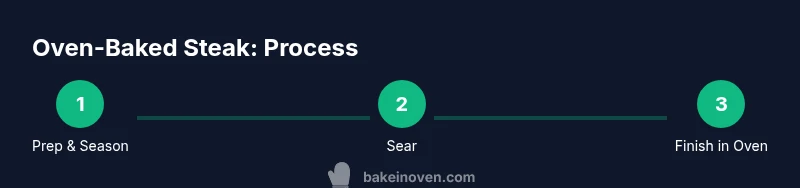
Yes, you can bake steak in the oven. Start with a hot stovetop sear, then finish in a preheated oven at 425-450°F until the inside reaches your preferred doneness. Rest for 5-10 minutes, slice, and serve. A thermometer ensures accuracy. Tip: let the steak come to room temperature first.
Can You Bake Steak in the Oven: An Overview
Yes, the oven is a reliable way to cook steak when you want consistent doneness without babysitting the grill. The common approach combines a quick, high-heat sear to develop a crust with an oven finish to gently bring the interior to your target temperature. This two-step method helps balance crust development and interior tenderness, delivering a steak that's evenly colored, juicy, and flavorful. Bake In Oven researchers find that control over temperature and timing is the key to avoiding gray bands or overcooked edges. As you practice, you’ll learn how thickness and cut affect timing, so you can adjust confidently in your kitchen setup.
Choosing the Right Cut and Thickness
Not all steaks behave the same in the oven. Thick cuts such as ribeye, strip, or filet mignon 1 inch (2.5 cm) and thicker respond well to sear-and-finish methods, while thinner steaks cook faster and can overcook if not watched closely. A good rule of thumb is: aim for steaks at least 1 inch thick for oven finishing, with 1.25–1.5 inches giving a more forgiving cooking window. Uniform thickness ensures even browning. If your steak is uneven, consider trimming to a more uniform shape or using a thinner portion for the sear-start, followed by oven finishing on a slightly smaller piece to maintain even doneness.
Seasoning and Prep for Oven-Baked Steak
Seasoning is your first chance to build flavor. Dry rubs and simple salt-and-pepper seasoning work beautifully, especially when applied 40–60 minutes ahead of cooking to dry out the surface and enhance crust formation. For extra aroma, you can add garlic powder, fresh thyme, or crushed peppercorns. Pat the steak dry before seasoning, as moisture inhibits browning. If you want a faster flavor boost, a light brush of high-heat oil on all sides helps promote an even crust.
Two-Path Cooking: Sear Then Oven Finish
The preferred method for most steaks is a two-path approach: sear on the stovetop to form a rich crust, then transfer to the oven to finish gently. Preheat your oven and a heavy skillet to a high temperature, so the crust forms quickly while the interior warms evenly. After searing, move the steak to a rack-lined tray or an oven-safe pan to prevent the crust from getting soggy. This method minimizes uneven cooking, especially with thicker cuts.
Temperature, Doneness, and Timing Guidelines
Target internal temperatures vary by doneness: rare around 120–125°F, medium-rare 130–135°F, medium 135–145°F, and well-done 155°F+. Remember that temperature continues to rise about 5–10°F after removal from the oven during resting. Bake at a hot temperature, typically 425–450°F, and check early with a thermometer to avoid overshoot. Times depend on thickness and starting temperature, so rely on temperature rather than time alone.
Resting, Slicing, and Serving
Resting after cooking is crucial. Tent the steak loosely with foil for 5–10 minutes to let juices redistribute. Resting improves tenderness and makes slicing easier. Slice against the grain for maximum tenderness and drizzle any pan juices or a quick pan sauce over the slices. Serve with your preferred sides, such as roasted vegetables, a green salad, or a simple compound butter for extra richness.
Common Mistakes and How to Fix Them
Common missteps include skipping the sear, overcrowding the pan, cooking at too low an oven temperature, and not letting the steak come to room temperature. Fixes are simple: preheat thoroughly, use a large skillet or cast iron, pat the meat dry, and monitor internal temperature closely. If the crust is underdeveloped, increase the sear time slightly or brush the steak with a tiny amount of oil before finishing in the oven. If the interior is undercooked, extend the oven time by short intervals and check again with a thermometer.
Quick-Start Plans for Different Thicknesses
For a 1-inch steak, plan roughly 8–12 minutes in the oven after searing, depending on your target doneness. For a 1.5-inch steak, expect 12–16 minutes post-sear, with full reliance on an accurate thermometer. If you’re time-pressed, you can skip a deep sear and finish in the oven at a lower temperature, but the crust won’t be as pronounced. Always rest and slice against the grain for the best texture.
Tools & Materials
- Cast-iron skillet or heavy oven-safe skillet(Prefer 12-inch for even browning.)
- Oven-safe meat thermometer or instant-read thermometer(Either probe or instant-read works; ensure accurate placement.)
- Tongs(For turning without piercing the meat.)
- Paper towels(Pat dry surface moisture for good crust.)
- Salt, pepper, optional garlic powder(Season generously but evenly.)
- High-smoke-point oil (e.g., avocado or canola)(Light coating to promote browning.)
- Aluminum foil or a shallow rack(Light tent during rest or elevate the meat for airflow.)
- Basting brush (optional)(Useful for applying oil or butter if desired.)
Steps
Estimated time: 45-60 minutes
- 1
Prepare and rest the steak
Pat steak dry with paper towels and season generously on all sides. Let it rest at room temperature for 20–40 minutes to promote even cooking and better crust formation.
Tip: Season early to improve surface dryness for browning. - 2
Preheat pan and oven
Preheat your oven to 425–450°F and heat your skillet on high. A hot pan ensures a deep crust quickly without overcooking the interior.
Tip: Use a cast-iron skillet if possible for superior heat retention. - 3
Sear the first side
Add a light coat of oil to the skillet and sear the steak without moving it for 1–2 minutes until a deep crust forms.
Tip: Resist the urge to fiddle with the steak; constancy builds crust. - 4
Flip and sear the other side
Turn the steak and sear the opposite side for another 1–2 minutes to build uniform browning.
Tip: If the surface sticks, give it another 15–20 seconds and try again. - 5
Finish in the oven
Transfer the skillet to the oven or move the steak to a preheated oven-safe pan and slide into the oven. Insert thermometer to monitor interior temperature.
Tip: Keep the oven door closed to maintain consistent heat. - 6
Monitor doneness
Bake until the thermometer reads your target doneness: rare 120–125°F, medium-rare 130–135°F, medium 135–145°F, or well-done 155°F+.
Tip: Remove a few degrees early; carryover heat will finish the job. - 7
Rest the steak
Remove from heat and cover loosely with foil. Rest for 5–10 minutes to redistribute juices.
Tip: Resting is essential for tenderness. - 8
Slice and serve
Slice against the grain and serve with your favorite sides or a simple pan sauce.
Tip: Slice just before serving to preserve juiciness.
Frequently Asked Questions
Can I bake any steak cut using this method?
Most steaks can be baked after searing, but thick cuts like ribeye or strip perform best with the two-step method. Thinner cuts may cook through quickly, so adjust time and temperature accordingly.
Most steaks can be baked after searing, but thick cuts work best with the two-step method. Thin cuts cook fast, so watch the time.
What temperature should I use for baking steak?
A hot oven around 425–450°F helps form a crust while finishing the interior. Use a thermometer to guide doneness rather than relying on time alone.
Bake at a hot oven, about 425 to 450 degrees, and use a thermometer to guide doneness.
Should I rest the steak after baking?
Yes. Rest for 5–10 minutes loosely tented with foil to redistribute juices and improve tenderness.
Yes, resting for a few minutes is important to keep the steak juicy.
Is pan-searing mandatory for oven-baked steak?
Searing is highly recommended for flavor and crust, but you can finish in a hot oven without searing if you're short on time. Expect less crust.
Searing isn’t strictly required, but it delivers the best crust and flavor.
How thick should the steak be for best results?
Steaks at least 1 inch thick respond well to the oven finish after searing; thicker cuts give a wider window for doneness with better crust.
One inch is a good minimum; thicker cuts hold the oven finish more reliably.
Can I cook from frozen?
Cooking from frozen is not ideal for even doneness. Thaw the steak before applying seasoning and searing for best results.
It's better to thaw first for an even cook and tastier crust.
Key Takeaways
- Preheat well and sear for crust.
- Monitor internal temperature for doneness.
- Rest before slicing for juiciness.
- Thicker steaks benefit most from the two-step method.
- Choose a heavy skillet and use precise timing.