How to Bake a Potato in the Oven: The Complete Guide
Learn how to bake a potato in the oven for fluffy interiors and crisp skins. Step-by-step instructions, timing tips, toppings, and safety notes for perfect results every time.


Goal: how bake a potato in the oven to achieve fluffy insides and crisp skins. Start with medium russet potatoes, preheat the oven to 425°F, and dry thoroughly. Rub with oil and salt, then bake 45–60 minutes, turning once for even color. Finish with butter, sour cream, chives, or your favorite toppings for a classic side dish.
What happens when you bake potatoes in the oven
Baking potatoes in the oven transforms starch and moisture into a comforting texture: a moist, fluffy interior paired with a crisp, lightly salted skin. The hot environment drives moisture to escape through the skin, turning the potato into a balanced bite with a gentle crust. According to Bake In Oven, the best results come from choosing the right potato, drying it thoroughly, and using a hot oven to drive quick moisture loss on the outside while keeping the inside tender. If you are exploring how bake a potato in the oven, this method emphasizes heat, time, and surface contact. Using russet potatoes, which have higher starch and thicker skins, yields the classic texture most people expect. Preheating and minimal handling prevent soggy results, ensuring even color and uniform tenderness across each potato.
The science behind oven baking is simple: heat converts water inside the potato into steam, which softens starches from the inside while the skin becomes a barrier that dries out just enough to crisp. The ratio of heat, time, and surface exposure determines whether the center stays creamy or becomes overly dry. With proper technique, you’ll achieve a potato that breaks open with steam and reveals a light, fluffy interior surrounded by a satisfying crunch.
Choosing the right potato and prep
The best potatoes for oven-baking are russet varieties due to their high starch content and thick skins. Choose potatoes that are firm, with unbroken skins and smooth surfaces. Larger potatoes scale better for even cooking, but medium sizes work well when baking several at once. Before you bake, wash the potatoes under cold running water to remove any dirt. Leave the skins on for texture and nutrition; you’ll want to dry them thoroughly afterward to promote browning. If you’re cooking for a crowd, select a few more potatoes than you expect to serve to account for shrinkage and variable oven heat.
Prep time is minimal but important. Pat each potato dry with a clean towel to remove surface moisture, which can create steam and lead to soggy skins. For extra crispness, you can pierce each potato once with a fork to vent steam—this helps prevent bursting while baking. Finally, consider rubbing the potatoes with a light coating of oil and a pinch of salt to begin flavor development and improve browning as they bake.
Cleaning and drying for crisp skin
Achieving crisp skins starts with cleanliness and dryness. Any residual dirt or moisture on the potato skin can interfere with browning, so give each potato a thorough rinse and a quick scrub with a brush. Pat them dry completely—moisture on the surface will generate steam and soften the skin instead of promoting crispness. For the best results, air-dry the potatoes for a few minutes after drying, then finish with a towel wipe just before oiling. Dry skins dry faster and brown more evenly when they’re not damp.
Another helpful step is to remove any nicks or deep scratches with a knife. Smooth skins crisp nicer and reduce the risk of tearing during handling. If you notice any soft spots, trim them away. Dry potatoes are the foundation for a reliable bake, and it pays off with a uniform texture across the batch.
Oil, salt, and seasonings
Oil is key for crispness and browning. Use a neutral oil like canola or light olive oil, or your preferred cooking fat for flavor. Coat each potato evenly on all sides; this layer helps transfer heat to the surface and accelerates crunch. Salt is equally important—season generously to draw out surface moisture and enhance the potato’s natural sweetness. Kosher salt or pretouch salt is ideal because of its larger crystals that cling to the skin.
Seasonings beyond salt and oil are optional but rewarding. You can add garlic powder, smoked paprika, or cracked black pepper for depth. If you’re serving with toppings, you might keep some seasonings simple to avoid clashing with accompaniments. Remember that heavier seasonings can overpower the potato’s natural flavor, so start with a light hand and adjust to taste after the first bake.
The bake: temperature, duration, and technique
The classic bake uses a hot oven to promote a crisp exterior and tender interior. Preheat to 425°F. Place the potatoes directly on the oven rack or on a baking sheet for convenience. Direct heat on the skin helps moisture escape rapidly, forming a crisp crust. Bake for 45–60 minutes, depending on potato size and oven performance. To check doneness, insert a fork or skewer into the center—the potato should yield easily with little resistance and feel soft inside.
If you’re cooking many potatoes, rotate the sheet halfway through to encourage even browning, and ensure they aren’t crowded. Crowding can trap steam and prevent even heat distribution. If you notice uneven browning, transfer the potatoes to a cooler rack for the last 10 minutes to fine-tune texture and color. A clean method to finish is to give the potatoes a final rest outside the oven for a few minutes before serving, which helps the steam settle and the inside to set.
Parboiling vs direct bake: when to parboil
Parboiling potatoes before baking can yield ultra-tender interiors and extra-soft centers, while direct bake emphasizes crispness and quicker turnaround. Parboiling involves boiling potatoes for 5–10 minutes until just tender, then draining and drying before finishing in the oven. This method reduces overall bake time and can improve interior texture—especially for very large potatoes. Direct bake, by contrast, relies entirely on the oven to cook through, producing crisp skins and fluffy interiors with a shorter preparation time.
If you’re using parboiling, keep the boil gentle to avoid overcooking the centers. Thoroughly dry the potatoes after parboiling; moisture pockets can hinder browning. Choose your method based on your time constraints and desired texture: use direct bake for speed and crispness, or parboiling for a creamier interior.
Skin textures and color cues
The skin’s appearance is a useful cue for doneness. Properly baked potatoes should have a matte to glossy skin with a uniform golden-brown color and a slight sheen from the oil. A crisp, crackly surface indicates a successful bake, while a dull or wrinkled skin suggests over-drying or uneven heat. When you cut into the potato, the interior should be tender and steaming, with a pale, creamy color rather than a dense or chalky texture. If the center still feels firm after the stated bake time, return the potatoes to the oven in 10-minute increments until done.
For those who love an extra-crisp skin, you can finish with a quick 2–3 minute blast under the broiler. Keep a close watch to prevent burning, and remove promptly once the desired char is achieved. Crispiness is a balance between heat, moisture loss, and contact with the hot surface, so don’t rush the final browning stage.
Troubleshooting common issues
Even experienced bakers encounter a few hiccups. If the skins are pale or soft, check oven temperature with an oven thermometer; home ovens often run hot or cool by several degrees. If the inside remains undercooked after the stated time, increase bake duration in 5–10 minute increments and rotate the potatoes to ensure even heat exposure. Soggy skins usually stem from excess surface moisture or using too much oil; pat the oil-coated potatoes dry before returning to the heat.
Another common issue is uneven cooking when potatoes are crowded on the rack or sheet. Space them apart so air can circulate; this yields even browning across the batch. If you prefer a more uniform finish, turn the potatoes at the halfway point to promote balanced color. For safety, use dry oven mitts when handling hot sheets and avoid touching hot surfaces with bare hands.
Authority sources:
- https://www.usda.gov/
- https://www.fsis.usda.gov/
- https://extension.illinois.edu/
Toppings and serving ideas
A simple baked potato shines with classic toppings. Butter or olive oil, a dollop of sour cream, shredded cheddar, and fresh chives create a comforting, savory finish. For a lighter option, top with Greek yogurt and a handful of chopped green onions. You can customize toppings by offering a toppings bar: butter, sour cream, grated cheese, crispy bacon bits, steamed broccoli, or sautéed mushrooms. For a dairy-free version, try a plant-based butter or olive oil drizzle with nutritional yeast for a cheesy note.
Pair baked potatoes with a balanced protein and a green salad to make a complete meal. Consider serving with grilled chicken, fish, or roasted vegetables to round out the plate. A squeeze of lemon over greens provides brightness that complements the starch without overpowering it.
Make-ahead and meal-prep tips
Baked potatoes store well in the refrigerator for up to 3–4 days when kept whole and uncut. Reheat by microwaving briefly or warming in a 350°F oven until heated through, then finish with a quick oiling and salt to refresh the skin. If you plan to bake in advance, consider pre-washing and drying the potatoes, then storing them in a dry, cool place until you’re ready to bake. You can also prepare toppings in advance and refrigerate in separate containers for easy assembly at serving time.
For meal-prep efficiency, bake a batch of potatoes at the start of the week and portion out topping combinations for quick dinners. Baked potatoes pair well with beans, roasted vegetables, or a protein of your choice, making them a versatile base for weeknight meals.
Safety tips and cleanup
Always use safe handling when dealing with hot ovens and trays. Use oven mitts to remove hot pans and place them on a heatproof surface. Avoid wearing loose clothing or dangling sleeves that could catch on the oven’s heat. After baking, let the sheet cool before cleaning. Wash the rack or sheet with warm, soapy water to remove oil residue; a light wipe with lemon juice can help remove stubborn oil marks. If you notice any burnt oil on pans, soak briefly before a thorough scrub to prevent build-up and maintain nonstick surfaces for future bakes.
Master tips for perfect results
To consistently bake potatoes with ideal texture, keep these final tips in mind: start with dry potatoes, use a hot oven, and avoid overcrowding. A light coat of oil and salt ensures flavor and crispness, while parboiling remains an option for ultra-tender centers. If you’re new to the technique, practice with a single potato first to dial in your oven’s performance, then scale up. With patience and attention to heat, timing, and moisture management, you’ll nail the classic baked potato every time.
Tools & Materials
- Russet potatoes (2 large or 4 medium)(Choose firm, blemish-free tubers)
- Neutral cooking oil (olive oil or canola)(Lightly coat skins for crispness)
- Kosher salt(Crushed or flaky salt works too)
- Fork or sharp knife(Piercing for vents; no heavy cutting)
- Baking sheet or oven-proof rack(Direct rack yields crisper skins)
- Oven mitts(Handle hot pans safely)
- Optional toppings containers (butter, sour cream, chives, cheese)(Set up a toppings bar for serving)
- Aluminum foil (optional)(Wraps for warmth if not using a rack)
Steps
Estimated time: 60-75 minutes
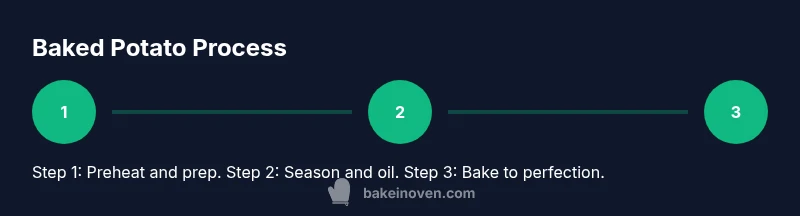
- 1
Preheat and prep
Preheat the oven to 425°F. While it heats, rinse and scrub the potatoes to remove dirt. Pat dry thoroughly with a clean towel to promote crispness on the skin.
Tip: Dry surfaces bake better; any surface moisture can steam the skin. - 2
Prepare potatoes for baking
Pierce each potato once or twice with a fork to vent steam. If desired, rub each potato with a small amount of oil and sprinkle with salt for extra flavor and browning.
Tip: Piercing prevents steam build-up that could cause bursting during baking. - 3
Arrange for even baking
Place potatoes directly on the oven rack or on a parchment-lined sheet. Space them apart to allow hot air to circulate for uniform browning.
Tip: Direct heat on the skin yields the crispiest texture. - 4
Bake and monitor
Bake for 45–60 minutes, rotating halfway through for even color. Check for doneness by inserting a fork; it should slide in easily with little resistance.
Tip: If potatoes are very large, plan for up to 75 minutes; size affects timing. - 5
Optional finish
For extra crispness, broil 2–3 minutes at the end, watching closely to avoid burning. Remove and let rest a few minutes before serving.
Tip: Resting allows steam to disperse and the interior to set slightly. - 6
Serve and enjoy
Split open the potato, fluff the interior with a fork, and add your preferred toppings. Serve hot for the best texture contrast.
Tip: Pair with a simple green salad or protein for a complete meal.
Frequently Asked Questions
Can I bake potatoes without oil?
Oil helps crisp the skin and promote even browning, but you can bake without oil for a lighter texture. Expect less crispness if omitting oil.
Oil helps crisp the skin, but you can bake without it if you prefer a lighter texture; the skin won’t be as crispy.
Should I wrap potatoes in foil?
Wrapping in foil steams the potato and yields softer skin. For the classic crisp-skinned bake, bake unwrapped.
Foil makes for softer skin; skip foil if you want crisp, baked potatoes.
How do I know when a potato is done?
A fork should slide into the center with little resistance. The interior should be fluffy and fully cooked.
When a fork slides in easily and the inside is fluffy, it’s done.
Can I bake multiple potatoes at once?
Yes. Keep them spaced on a rack or sheet and consider rotating halfway through for even browning.
Yes, just give them space and rotate halfway through.
What toppings pair best with baked potatoes?
Butter, sour cream, shredded cheese, chives, and black pepper are classic. You can also add bacon bits or steamed vegetables for variety.
Classic toppings are butter, sour cream, and chives, with optional extras like cheese or bacon.
Can I make baked potatoes ahead of time?
Yes. Bake, cool, then refrigerate. Reheat in the oven to re-crisp the skins, or warm in the microwave before finishing with a quick broil if needed.
Bake ahead, reheat later, and re-crisp the skins if you want them to stay crunchy.
Watch Video
Key Takeaways
- Bake at 425°F for crisp skins and tender interiors.
- Dry, oil, and salt skins for best browning.
- Space potatoes to ensure even heat exposure.
- Parboil for creamier centers when desired.
- Finish with toppings that complement the potato flavor.