How to Bake Hard-Boiled Eggs in the Oven
Learn to bake hard-boiled eggs in the oven for consistent results. This guide covers temperatures, timing, peeling techniques, flavor ideas, and safe storage.


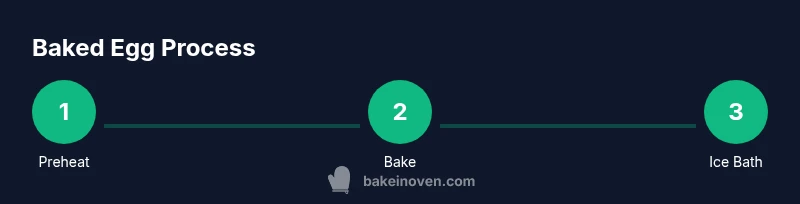
Bake hard-boiled eggs in the oven using a simple, reliable method. Preheat to 325°F, place eggs on a rack, bake for about 30 minutes, then plunge into ice water. This yields firm whites and fully set yolks with minimal hands-on time. Start with room-temperature eggs for best results and adjust time for yolk firmness.
Why Oven Baking Works for Hard-Boiled Eggs
If you’ve wondered how bake hard boiled eggs, this oven-based approach provides consistent results with less variability than traditional stovetop boiling. The oven delivers steady heat, which helps avoid undercooked centers or overcooked, gray-green yolks. Home bakers frequently prefer this method for batch cooking, meal-prep mornings, and easy peeling when eggs are slightly aged.
Bake-at-home simplicity also makes it easier to scale from a single dozen to a full tray for gatherings. Bake time remains predictable once you establish your oven’s performance, and you can customize yolk firmness with small time adjustments. Bake In Oven researchers note that temperature control is more forgiving than a rolling boil, especially if you’re jumping between recipes.
Essential Tools and Ingredients
Before you start, gather what you need. An oven set to a moderate temperature, a rack or shallow pan for even air circulation, good tongs, a bowl of ice water, and a dozen fresh or slightly older eggs. Room-temperature eggs peel more easily, so consider removing them from the fridge 10–15 minutes before cooking. You’ll also want a timer and, optionally, a thermometer if you want to verify doneness on the inside.
Key substitutions and extras: you can add a pinch of salt to the water for flavor, or toss in herbs after cooking for a quick garnish. For easier peeling, store the eggs in the fridge a day or two after baking and peel under running water.
Step-by-Step Oven Method (detailed)
This section provides a thorough, actionable sequence you can follow word-for-word. It’s designed for clarity and repeatability, not guesswork. Each action is concise, with the why explained so you understand the purpose behind the step.
-
Preheat the oven and prep eggs – Set your oven to 325°F (163°C) and arrange eggs in a single layer on a rack or on a parchment-lined sheet. Rationale: Even heat distribution helps avoid hot spots that can overcook the yolks. Pro tip: Bring eggs closer to room temperature for more uniform cooking.
-
Bake eggs for 30 minutes – Bake for about 30 minutes, checking for doneness with a gentle jiggle at the end if needed. Rationale: This timing yields firm whites and set yolks without the risk of grayish yolks. Pro tip: If you prefer firmer yolks, allow an extra 2–3 minutes, but test one egg first.
-
Ice bath immediately – Transfer eggs to a bowl of ice water and leave for 5–10 minutes. Rationale: The ice bath stops the cooking process quickly to prevent overcooking. Pro tip: Use tongs to minimize heat exposure and crack risk.
-
Peel or cool for storage – Peel under running water or refrigerate with shells intact for later peeling. Rationale: Peeling under water can reduce shell fragments. Pro tip: If peeling is stubborn, crack shells gently and start peeling at the wider end where air pockets form.
-
Dry and store – Pat eggs dry and store in the shell in the refrigerator for up to one week, or peeled in an airtight container for 3–4 days. Rationale: Shells protect the yolk and white from moisture loss. Pro tip: Label batches to track doneness and freshness.
-
Optional flavoring and serving ideas – Slice for salads, mash into deviled eggs, or serve with a light dusting of paprika or chives. Pro tip: For extra flavor, rub the shells lightly with olive oil before baking to add a gentle sheen to the whites.
Troubleshooting: Common Issues and Fixes
Even with a steady oven, you may encounter hiccups. Here are practical fixes:
- Eggs crack during baking: Ensure eggs sit in a single layer with space on all sides. Use a rack or a shallow pan rather than crowded rows. Pro tip: Let eggs come to room temperature before baking.
- Yolk is undercooked or pale: Shorten or lengthen the bake time in 1–2 minute increments and test one egg first to calibrate. Pro tip: Use a thermometer for precise results if you’re aiming for a specific doneness.
- Shells stick to the egg: Cool in the ice bath longer and peel under cold running water. Pro tip: Add a small amount of baking soda to the ice bath to help loosening shells.
Flavor Variations and Serving Ideas
Experiment with taste profiles to keep baked eggs exciting:
- Classic: Salt and pepper on the shell or peeled egg.
- Herbed: Gently rub each egg with minced dill, parsley, or chives after cooling.
- Spicy: Dust with paprika, chili powder, or a dash of hot sauce.
- Quick pantry hack: Mix a light mayo, Dijon, and pepper for immediate deviled eggs after peeling.
These variations are quick to implement and don’t require a second cooking step.
Safe Storage and Reheating Tips
Baked eggs store well when kept refrigerated. Keep them in the shell for up to a week. If peeled, use an airtight container and consume within 3–4 days. To reheat, place peeled eggs in warm water for a few minutes or microwave in short bursts, monitoring to prevent overheating. Always discard eggs that emit an off smell or show unusual discoloration.
Tools & Materials
- Oven(Preheat to 325°F (163°C) for even baking)
- Rack or baking sheet(Single layer with space between eggs)
- Tongs or oven mitts(To move eggs safely)
- Ice bath setup(Bowl with ice water for immediate cooling)
- Eggs (large)(Take from fridge 10–15 minutes before cooking)
- Timer(Track bake time precisely)
- Optional thermometer(Check yolk temperature if desired)
Steps
Estimated time: 40-50 minutes
- 1
Preheat oven and prep eggs
Preheat the oven to 325°F (163°C). Arrange eggs in a single layer on a rack or parchment-lined sheet. Room-temperature eggs cook more evenly, reducing the chance of uneven yolks.
Tip: Bring eggs to room temperature for even heat distribution. - 2
Bake eggs in oven
Place the prepared eggs in the oven and bake for 30 minutes. This duration yields firm whites and fully set yolks if your eggs are not overripe.
Tip: If you prefer firmer yolks, test one egg at 32 minutes before continuing. - 3
Ice bath immediately
Remove eggs using tongs and place into ice water for 5–10 minutes to halt cooking.
Tip: A longer ice bath prevents residual heat from finishing the cooking. - 4
Peel or store with shells
Peel under cold water for easier removal, or refrigerate with shells intact for later peeling.
Tip: Peeling under water helps keep whites intact and reduces shell fragments. - 5
Slice, serve, or store
Slice for salads, deviled eggs, or serve whole. Refrigerate peeled eggs in an airtight container for up to 3–4 days.
Tip: Label storage containers with date to track freshness.
Frequently Asked Questions
What temperature should I bake eggs at for hard-boiled results?
Bake at 325°F (163°C) for about 30 minutes to achieve firm whites and fully set yolks. Adjust by 1–2 minutes for your texture preference.
Bake at three twenty-five degrees for about thirty minutes to get firm whites and set yolks. You can adjust a minute or two for your preferred yolk texture.
How long do eggs bake in the oven?
Approximately 30 minutes, then transfer to an ice bath for 5–10 minutes. If yolks are too soft, add a couple more minutes and test one egg first.
About thirty minutes in the oven, followed by a five to ten minute ice bath. If you want firmer yolks, test an extra minute or two first.
Are baked eggs easier to peel than boiled eggs?
Baked eggs can peel more easily when slightly older and when peeled under cold running water. The ice bath also helps separate shell from white.
Yes, slightly older eggs peel more easily, and peeling under cold water helps separate the shell.
Can I bake many eggs at once?
Yes, you can bake a dozen or more at once as long as they fit in a single layer on your rack. Do not overcrowd to ensure even cooking.
Absolutely—just keep them in a single layer so heat circulates evenly.
What are good flavor variations after baking?
Try herbs, paprika, or a light mayo-Dijon coating for deviled eggs. You can also sprinkle seasonings on the shell for a subtle aroma.
Add herbs or paprika after cooling, or make deviled eggs with a simple mayo-Dijon filling.
Key Takeaways
- Preheat to 325°F for even results.
- Ice bath stops cooking and aids peeling.
- Peel under running water for easier removal.
- Store peeled eggs in the fridge up to 3–4 days.