How to Tell If a Baked Potato Is Done
Learn clear, kitchen-tested cues to know when a baked potato is done. From internal temps to texture tests, master doneness for fluffy interiors and crisp skins every time.


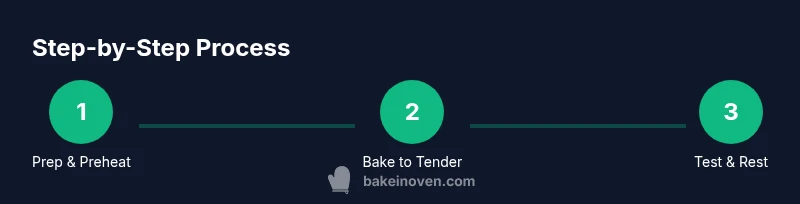
You can reliably tell a baked potato is done by checking three signals: a fluffy interior, a fully crisp skin, and a near-constant internal temperature around the mid- to high- 200s Fahrenheit. Use a quick fork test, a thermometer if available, and a brief rest before serving. Following these steps yields consistently perfect results every time.
What "done" means for a baked potato
When you search for how to tell if a baked potato is done, you’re looking for consistent indicators that the potato is cooked through with a fluffy interior and a crisp, intact skin. A truly done potato should yield to gentle pressure, release steam, and reveal soft, airy starch inside when opened. In practical terms, the goal is a potato that is fully cooked (no raw center), with skin that has crisped in the oven but remains sturdy enough to hold the filling. According to Bake In Oven, building a predictable routine—preheat, bake, test, rest, and serve—delivers reliable results across potato varieties. This approach helps home bakers avoid the common pitfalls of undercooked centers or overcooked, dry interiors while keeping the process simple and repeatable for every bake.
Visual cues to look for on the potato surface
- Cramped, dark spots on the skin should be avoided; a uniform, russet-brown color with a crisp texture often signals thorough cooking.
- Steaming from the potato indicates heat penetrates the flesh; a strong plume means the interior is heating evenly.
- The skin should feel firm to the touch yet pliable enough to yield to a gentle squeeze. If the skin is wrinkled or soft, the interior may still be underdone.
- A well-baked potato releases light steam when cut open, and the interior should be fluffy, not gluey or dense. These visual cues work well with different varieties, though baking times vary slightly by size and variety.
Temperature targets and testing methods (without and with a thermometer)
Ideally, the interior temperature of a fully baked potato sits around the mid- to high- 200s Fahrenheit (roughly 96–99°C). If you have a probe thermometer, insert it into the center of the potato after the skin has taken on color. For a quick check without a thermometer, rely on the fork test: when a fork slides into the center with little resistance, the potato is close to done. If you prefer a precise metric, aim for about 210°F (99°C) as a reliable signal for a fluffy interior. Remember that larger potatoes will require more time, while smaller ones will finish sooner. This temperature-focused approach works across russet, Yukon Gold, and sweet potatoes with minor timing adjustments.
Practical doneness tests you can perform in the kitchen
- Fork or skewer test: insert a fork into the center; it should slide in with minimal effort.
- Pressure test: gently squeeze the potato; a properly baked one gives slightly, then holds its shape.
- Steam test: lift the potato; if the emitted steam is substantial and continuous, the interior is well heated.
- Rest test: allow a 5–10 minute rest after removing from heat; this helps the starches settle for a fluffier bite.
How to test with a thermometer vs. traditional methods
Using an instant-read thermometer takes the guesswork out of doneness. Insert into the center of the potato (not touching bone or the baking tray). If the reading is about 210°F (99°C), you’re likely there. Without a thermometer, rely on the fork test and visual cues: a tender center, fluffy interior, and crisp skin signal success. If you’re consistently over- or under-cooking, adjust bake time by 5–10 minutes and compare results.
Common size and variety considerations
Different potato varieties (russet, Yukon Gold, sweet potato) can yield slightly different doneness signals. Russets are the most forgiving for traditional baked potatoes, often yielding a very fluffy interior when fully cooked. Yukon Golds tend to be creamier, so you might see a slightly denser center before the steam fully escapes. Sweet potatoes have a denser starch and natural sweetness that can affect texture; the fork should still glide through with moderate resistance when properly cooked. Always start with a standard bake time based on size, then test and adjust accordingly.
Resting and serving for best texture
Let the potato rest for 5–10 minutes after removing from heat. This short pause lets the steam redistribute and the interior to settle, making the fluffier texture easier to scoop. Slice lengthwise, fluff with a fork, and add butter, salt, or your favorite toppings while the potato is warm. A crisp skin benefits from a brief final exposure to ambient heat if you’re not serving immediately.
Troubleshooting common issues
- Underdone centers: Extend bake time in 5–10 minute increments and re-test with a fork and thermometer. Covering with foil can help prevent skin over-browning while the interior finishes.
- Overcooked interiors: If the interior becomes dry or mealy, reduce bake time by 5–10 minutes in future batches and ensure proper resting to retain moisture.
- Soggy skins: Ensure the potatoes are dry before oiling and place them directly on the rack or a perforated sheet to maximize air circulation. A hotter oven (425–450°F / 218–232°C) with crisping intended for skin helps prevent soggy skins.
Authority sources for further reading
For additional guidelines on safe heat levels and doneness cues, refer to trusted sources such as the USDA FSIS and CDC food safety resources. These sites offer general guidance on cooking temperatures and safe handling of baked starches, which align with home-baking best practices and the methods described here.
Tools & Materials
- Oven or air fryer(Preheat to 425°F (218°C) for classic baked potatoes)
- Baking sheet or oven-safe tray(Space potatoes to allow even heat circulation)
- Instant-read thermometer(Optional but precise; target ~210°F (99°C))
- Fork or skewer(Test center tenderness)
- Oven mitts(Safely handle hot trays)
- Paring knife or sharp chef's knife(Slice open for inspection if needed)
- Butter, salt, and toppings (optional)(Enhance flavor after baking)
Steps
Estimated time: 60-75 minutes
- 1
Preheat oven
Set the oven to 425°F (218°C) and allow it to come to full heat before placing potatoes inside. This ensures the skin begins to crisp early in the bake, creating a better texture overall.
Tip: An oven thermometer helps you verify the actual temperature if your oven runs hot or cool. - 2
Prepare potatoes
Wash potatoes thoroughly and dry them completely. Poke a few holes with a fork to vent steam, and optionally rub with a little oil and salt for crisper skins.
Tip: Dry skin thoroughly to maximize crispness once baked. - 3
Arrange on pan
Place potatoes on a baking sheet or rack with space between each to allow heat to circulate.
Tip: Avoid crowding; air needs to reach all surfaces for even cooking. - 4
Bake until edges blister
Bake for 45–60 minutes for medium potatoes; larger potatoes may require up to 75 minutes. Begin testing around the 45-minute mark.
Tip: If you want extra-crisp skin, rotate the pan halfway through the bake. - 5
Test doneness
Insert a fork or thermometer into the center. The fork should slide with little resistance; internal temp should approach 210°F (99°C) for fluffy interiors.
Tip: If you don’t have a thermometer, rely on fork tenderness and steam indicators. - 6
Rest briefly
Remove potatoes from heat and rest 5–10 minutes before serving to let starches settle and make fluffing easier.
Tip: Resting helps avoid a dry, mealy interior. - 7
Slice and fluff
Cut a shallow slit lengthwise and fluff the interior with a fork. Add butter, salt, and any favorite toppings while warm.
Tip: A light drizzle of olive oil can add extra gloss and flavor to the skin. - 8
Serve and adjust
Serve immediately for best texture. If needed, adjust toppings and reheat gently in the oven for leftovers.
Tip: Leftovers reheat well in a 350°F (175°C) oven for 10–15 minutes to restore crisp skin.
Frequently Asked Questions
How can I tell if the potato is done without a thermometer?
Use the fork test: the center should slide in with little resistance and the steam should be present when cut open. The skin should be crisp and the interior fluffy, not gummy.
Try the fork test and look for a crisp skin with a fluffy center. Steam and tender flesh are your best cues without a thermometer.
Can I speed up the process using a microwave?
Yes, you can start with the microwave to cut total time, then finish in a hot oven to crisp the skin. Expect a shorter total time but still finish with oven heat for texture.
You can microwave briefly and then finish in the oven to crisp the skin.
What if the skin is crispy but the center is undercooked?
Return the potato to the oven for 5–10 minute increments, then re-test. Ensure you have adequate heat with air circulation and avoid overcooking the skin.
If the center isn’t done, pop it back in for a few minutes and test again.
Is it safe to eat slightly underdone potatoes?
Small underdone portions can have texture and flavor issues, but potatoes are starchy and generally safe if not severely undercooked. For best quality, ensure the center is fully cooked.
It’s best to cook it thoroughly for the best texture and flavor.
How does potato size affect doneness?
Larger potatoes require longer bake times than small ones. Always start with time estimates based on size, then test. Medium potatoes typically finish around 60 minutes at 425°F.
Size matters: bigger potatoes take longer to cook through.
Does the type of potato affect timing?
Russets bake best for traditional fluffiness, while Yukon Golds are creamier and may finish slightly differently. Adjust timing by testing the center and using the fork or thermometer.
Different varieties cook a bit differently; test the center to be sure.
Watch Video
Key Takeaways
- Test center tenderness with a fork or thermometer.
- Aim for approx. 210°F (99°C) for fluffy interiors.
- Crisp skin requires dry surfaces and high-heat roasting.
- Rest 5–10 minutes to finish starch redistribution.
- Adjust time based on potato size and variety.