What Does a Chicken Bake Have? A Practical Guide
Explore what a chicken bake has, how to choose cuts, bake temps, timing, and tips to perfect your oven-baked chicken with kitchen-tested guidance.


What does a chicken bake have? At its core, a chicken bake combines chicken pieces with aromatics, fat or oil, seasonings, and a cooking liquid or sauce, all cooked in the oven. The exact composition varies by cut and recipe, but most bakes rely on a balance of moisture, flavor, and heat to reach safe doneness.
what does a chicken bake have
At its core, what does a chicken bake have? In practice, a chicken bake combines protein with aromatics, fat, seasonings, and a cooking liquid or sauce, all designed to finish tender, golden, and safely cooked. The exact composition varies by recipe and cut, but most bakes share a few backbone elements: moist chicken, flavorful fat or oil, a balanced spice mix, and enough heat to drive browning. You’ll often see garlic, lemon zest, thyme, paprika, and olive oil or melted butter. The moisture from the liquid helps keep the meat juicy as it roasts, and a pan sauce can come together in the final minutes of cooking. Different cuts may request different finishes—breasts tend to stay lighter and faster, while thighs tolerate richer spices and longer browning for extra tenderness.
This is where planning matters: mapping flavors to cuts and understanding how heat and moisture interact in your oven. By thinking about what does a chicken bake have, you anticipate whether you need to add stock, wine, or cream, and whether to use parchment to protect the pan and promote even browning.
equipment and setup for consistent results
For a reliable chicken bake, start with a hot, evenly heated oven and a supportive pan setup. Preheat to 375-400°F (190-205°C) depending on the cut. Line a sheet pan with parchment paper or a silicone mat to prevent sticking and simplify cleanup. If you’re roasting bone-in pieces, place a rack over the pan so air can circulate, which helps browning on all sides. Use a wide, shallow pan to maximize surface area and promote even heat transfer. For convection ovens, reduce the temperature by about 25°F if your oven tends to run hot, and rotate the pan at the halfway mark for uniform color.
core ingredients and pantry options
Focus on quality and balance. Choose chicken cuts appropriate for your bake: boneless, skinless breasts for light, quick meals; bone-in thighs or drumsticks for juicier, more forgiving texture. pantry staples include garlic, onions, lemons, fresh herbs, paprika, salt, pepper, and olive oil or butter. You can add vegetables like carrots, potatoes, or mushrooms, but keep pieces uniform so they cook evenly. For a dairy-free option, skip butter and rely on olive oil plus aromatics; for richer flavor, finish with a knob of butter or cream in the sauce.
step-by-step method: prep, assembly, and bake
- Preheat oven and prepare your pan. 2) Pat the chicken dry to promote browning, then season generously. 3) If desired, sear the pieces quickly in a hot skillet for extra crust. 4) Arrange in a single layer on the pan, skin side up if using skin-on pieces. 5) Add a liquid or sauce so the bottom stays moist and a bit of steam rises during roasting. 6) Bake until the internal temperature reaches 165°F (74°C). 7) Rest for 5-10 minutes before serving to reabsorb juices.
temperature, time, and doneness testing
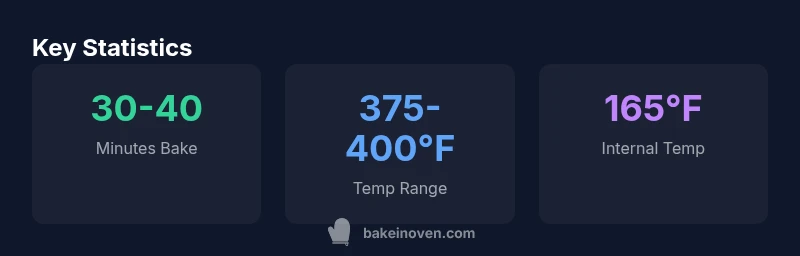
Time and temperature are your guides. In most cases, bone-in pieces bake around 30-40 minutes at 375-400°F. Boneless breasts may finish in 25-30 minutes at the same range. Use a meat thermometer to verify 165°F (74°C) in the thickest part. If your sauce needs thickening, return to the oven uncovered for a few minutes at 425°F (218°C) to reduce excess liquid, watching closely to prevent over-browning.
flavor boosters and finishing touches
Round out the flavor with herb, citrus, and fat. Try garlic and thyme with lemon zest, smoked paprika, or a touch of honey in the glaze. A final brush of warm butter or a splash of stock in the pan can create a glaze. Add chopped parsley or basil after baking for color. For weeknight efficiency, substitute a ready-made sauce in the final 10 minutes.
variations: chicken thighs vs breasts
Breasts stay lean and require careful timing to prevent drying out; thighs remain forgiving due to higher fat and connective tissue. If you’re cooking both, start the thighs first and add breasts later or separate their pans to tailor the times. Consider skin-on versions for extra crispness and flavor, or skinless when reducing fat. Bone-in cuts are generally more forgiving and stay moist when roasted properly.
one-pan chicken bake ideas for weeknight meals
Combine chicken with quick-roast vegetables like baby potatoes, carrots, and onions. Use parchment or a silicone mat for easy cleanup. You can make a simple pan sauce with the juices from the bake, a little wine or stock, and a dab of butter. If you’re short on time, use pre-cut vegetables and pre-seasoned chicken to shorten prep.
troubleshooting common issues
If the chicken is browning too fast, tent loosely with foil and lower the oven temperature. If the meat is undercooked but the surface is browned, finish with low heat and a bit more liquid to prevent scorching. Dry chicken usually means overcooking, insufficient moisture, or too little fat—add more oil or butter next time, and consider searing before baking. Use even thickness pieces to avoid uneven cooking.
storing, reheating, and future uses
Cool leftovers within two hours and refrigerate in shallow containers for faster cooling. Reheat gently in a low oven (325°F) or on the stove with a splash of stock or water to restore moisture. Shredded chicken from a bake can be used in salads, wraps, or toppings for bowls. Freeze cooked chicken in airtight bags for up to 3 months.
Typical bake timings by chicken cut
| Chicken cut | Avg bake time (minutes) | Oven temp | Pan prep |
|---|---|---|---|
| boneless chicken breast | 25-30 | 375-400°F | Parchment-lined sheet pan |
| bone-in chicken thighs | 30-40 | 375-400°F | Season with oil and herbs |
| bone-in chicken breasts | 30-35 | 375-400°F | Pre-sear optional |
Frequently Asked Questions
What is the best temperature for a chicken bake?
For most chicken bakes, aim for 375-400°F (190-205°C). Bone-in cuts tolerate the higher end for browning, while breasts benefit from the lower end to preserve moisture. Adjust within this range based on your oven and pan depth.
Set your oven to 375-400°F, depending on the cut and your pan.
How can I tell when the chicken bake is done?
The thickest part should reach 165°F (74°C). Let the meat rest for 5-10 minutes after removing from the oven to reabsorb juices.
Check that the thermometer reads 165 degrees, then rest a bit.
Can I bake from frozen?
It’s best to thaw chicken before baking for even cooking. If you must bake from frozen, extend the cook time and monitor doneness with a thermometer.
Avoid baking from frozen when possible, thaw first.
Should I marinate or dry rub before baking?
Dry rubs cling well to the meat and save time. Marinating can add moisture and flavor but requires planning; if using marinade, pat dry before baking to promote browning.
Season before baking for best flavor.
Is parchment paper necessary for a chicken bake?
Parchment helps prevent sticking and makes cleanup easier, but you can use a lightly oiled pan if you prefer.
Parchment makes cleanup easier and prevents sticking.
Can I bake chicken with vegetables at the same time?
Yes. Cut vegetables to similar sizes and arrange them around the chicken so they cook evenly. Start with sturdier vegetables first if needed.
You can bake veggies with it—just cut them evenly.
“A well-executed chicken bake balances moisture, fat, and heat to deliver juicy meat with flavorful crust. The right combination of heat, seasoning, and browning makes every bite satisfying.”
Key Takeaways
- Preheat oven properly for even browning.
- Choose bone-in cuts for juicier results.
- Line pans with parchment for cleanup and moisture control.
- Apply seasonings evenly to maximize flavor.
- Check internal temperature to 165°F for safety.