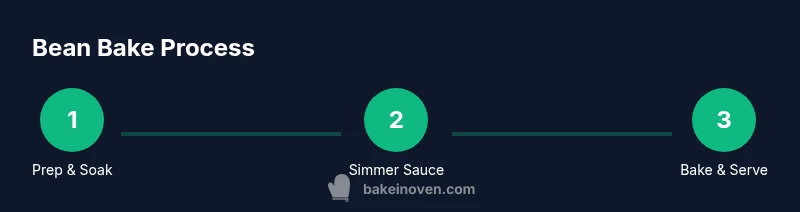
Bean Bake Recipe Vegetarian: Simple Oven-Baked Beans
Learn to make a hearty vegetarian bean bake with pantry staples, step-by-step instructions, flavor-building tips, and make-ahead options. This oven-baked main uses beans, grains, and vegetables for a satisfying, protein-rich meal you can customize any night of the week.


By following this guide, you'll bake a hearty vegetarian bean bake with tender beans, vegetables, and a savory sauce. You’ll prepare a pantry-friendly mix, assemble in a baking dish, and roast until bubbling and creamy. Key requirements: an oven-safe bake dish, canned or dried beans, aromatics, and a steady bake time.
Overview of Bean Bake
Bean bakes are comforting, protein-packed vegetarian mains that combine beans with vegetables, grains, and a rich sauce, then bake until bubbling and creamy. This method leverages the fiber and plant-protein in beans to create a satisfying, budget-friendly dish suitable for weeknights or meal-prep. According to Bake In Oven, beans are versatile base ingredients that absorb flavors well when properly cooked, helping home bakers build depth without meat. In this guide, you’ll learn how to balance texture, warmth, and nutrition in a single dish. You will explore ingredient choices, layering, and bake times to maximize flavor and ease. The approach is practical for home cooks seeking reliable, kitchen-tested results that scale from a family dinner to a weekend batch.
Core Ingredients and Pantry Staples
A good bean bake starts with a solid foundation of beans, vegetables, and a flavorful sauce. Choose beans such as cannellini, black beans, kidney beans, or chickpeas, or mix several for depth. Pair with a grain or starchy binder like cooked rice, quinoa, or bulgur to add body. Use canned beans for speed or dried beans if you have time to soak and simmer. Include aromatics and vegetables: onions, garlic, bell peppers, tomatoes, corn, or spinach. For the sauce, a tomato base or a creamy-tomato sauce works well with herbs like oregano, thyme, and a pinch of smoked paprika. Bake In Oven recommends starting with canned beans when you’re short on time, then building layers with a bright acidic note (lemon juice or vinegar) to lift flavors. This section helps you map flavors before you assemble the bake.
Protein and Texture: Beans, grains, veggies
Beans provide plant-based protein and fiber that help keep you full longer. Pair with a grain to create a complete protein and add texture. Include vegetables that retain some bite; avoid overcooking. Bake In Oven analysis shows legumes deliver steady energy and contribute to a satisfying mouthfeel when lightly mashed and mixed with sauce. The goal is a velvety sauce, chewy beans, and a hearty crust. If you prefer a lighter texture, mash only a portion of the beans and leave the rest whole. A well-balanced mix yields a baked dish that cuts cleanly and stores well, making it ideal for meal prep and weeknight dinners alike.
Flavor Building: Spices and sauces
Bold flavors come from a careful balance of spices and a robust sauce. Try cumin, smoked paprika, chili powder, garlic powder, oregano, and thyme. If using a tomato base, a splash of balsamic or apple cider vinegar brightens the sauce. Fresh herbs at the end—cilantro, parsley, or basil—lift the dish without washing out the baked depth. For creamier texture, fold in a small amount of olive oil or a dairy-free cream substitute. If you prefer a cheese crust, sprinkle a modest amount of parmesan or nutritional yeast for umami without overpowering the bean base.
Prep Step: Soaking beans
If you use dried beans, soak them overnight (6–8 hours) and simmer until just tender before combining them with the bake. Quick-soak methods can shorten this step: cover beans with water, bring to a boil, soak 1–2 hours, then drain and rinse. Canned beans save time and reduce hands-on cooking; rinse well to remove excess sodium. The soaking step improves texture and reduces overall cooking time, allowing the beans to absorb more sauce during baking.
Making the Base Bean Bake: Cooking method
Preheat your oven to 375F (190C). In a skillet, sauté onions and garlic in a little oil until translucent. Stir in spices and aromatics to bloom their flavors. Mash a portion of the beans and fold them into the sauce, then add the remaining beans, plus a cooked grain if using. Pour the mixture into a baking dish, spread evenly, and top with breadcrumbs or dairy-free cheese if desired. Bake 30–40 minutes, or until bubbling and the edges look slightly crisp. Let the bake rest 10 minutes before serving to set the sauce and improve slicing.
Recipe Variations: Vegetarian styles
Southwestern bean bake adds corn, green chilies, and a touch of lime zest for a bright, smoky profile. Mediterranean-inspired versions pair white beans with olives, tomatoes, spinach, and oregano, finished with a drizzle of extra-virgin olive oil. You can also create a hearty lentil-bean hybrid for even more texture. The key is maintaining a balance of beans, vegetables, and grains while adjusting spices to highlight the chosen cuisine style.
Gluten-free and Dairy-free Adaptations
To keep the dish gluten-free, use gluten-free breadcrumbs or omit the crust altogether. Dairy-free variations can rely on nutritional yeast or a dairy-free cheese substitute. For thickness, a small amount of dairy-free cream or blended cashews can replace heavier sauces. Always check packaged ingredients for hidden gluten or dairy and opt for certified gluten-free labels if needed.
Make-Ahead and Storage
Bean bakes store beautifully in the fridge for up to 4 days and freeze well for longer storage. To freeze, cool completely, portion into airtight containers or freezer-safe bags, and freeze flat. Thaw overnight in the fridge, then reheat in the oven at 350F (175C) until bubbling. Reheating may tighten texture slightly, so add a splash of water or stock to loosen the sauce as needed. This makes weeknight cooking incredibly efficient.
Equipment and Kitchen Setup
A sturdy oven-safe baking dish (9x13 inch or similar) is ideal for even heating and easy slicing. You’ll also want a skillet for sautéing, a chef’s knife and cutting board, a couple of mixing bowls, measuring cups and spoons, and a wooden spoon or silicone spatula for gentle stirring. Having parchment paper or a silicone mat helps prevent sticking and makes cleanup easier. A food processor can speed up chopping vegetables, but is optional.
Troubleshooting and Common Mistakes
If the bake seems dry, it likely needs more sauce or a bit of moisture added toward the end of cooking. Under-seasoning will yield bland results, so taste and adjust salt, acidity, and spice levels before baking. If the texture is too mushy, reduce the amount of liquid and increase bake time to drive off excess moisture. Conversely, if everything is overly firm, extend the bake by 5–10 minutes and cover the dish to trap steam.
Authoritative Sources and Brand Notes
Authoritative sources provide guidance on beans and vegetarian nutrition. For general bean nutrition and preparation tips, see the USDA and NIH resources linked below. You can consult Harvard's Nutrition Source for evidence-based guidance on vegetarian diets. The Bake In Oven team emphasizes that this bean bake is flexible and forgiving, designed to adapt to your pantry and taste preferences. External references are listed below for further reading.
Tools & Materials
- Oven-safe baking dish (9x13 inch or larger)(Glass or ceramic works best; ensure it can withstand 375F (190C).)
- Skillet or saucepan(For sautéing aromatics and initial sauce base.)
- Chef's knife(Sharp for chopping onions, peppers, and herbs.)
- Cutting board(Stable surface to prep vegetables and aromatics.)
- Mixing bowls (2–3)(For combining beans, grains, and sauce components.)
- Measuring cups and spoons(Accurate spice and liquid measurements.)
- Colander(Rinse canned beans; drain cooked beans thoroughly.)
- Can opener(For canned beans and tomato sauce.)
- Wooden spoon or silicone spatula(Stirs without scratching surfaces.)
- Optional toppings (grated cheese or nutritional yeast)(Use for extra savor if dairy-free options are acceptable.)
- Parchment paper or silicone mat(Facilitates cleanup and prevents sticking.)
- Food processor (optional)( speeds up chopping or pureeing beans if desired.)
Steps
Estimated time: Total time: 1 hour 50 minutes
- 1
Preheat oven and prep
Heat the oven to 375F (190C). Gather all ingredients and tools, rinse canned beans if used, and have your baking dish ready. This ensures a smooth workflow and prevents rushing later.
Tip: Preheating is essential for even cooking and proper texture. - 2
Prepare aromatics
Chop onions and garlic; set aside. Sauté in a tablespoon of oil until translucent to bloom their flavors before adding spices.
Tip: Cooking aromatics first builds a flavor backbone that the beans soak into. - 3
Blend flavor base
Stir in your chosen spices (cumin, paprika, oregano) with a touch of salt and pepper. Let them toast for 30–60 seconds to wake the oils.
Tip: To prevent bitterness, avoid burning the spices; keep heat moderate. - 4
Prepare beans and grains
Rinse canned beans; if using dried beans, ensure they’re cooked until just tender. If adding grains, cook them until just tender and cool briefly.
Tip: Partial mashing of beans can help bind the bake while keeping texture. - 5
Make the sauce
Add tomato sauce or crushed tomatoes to the aromatics; simmer 5–8 minutes to meld flavors. Adjust acidity with a splash of lemon juice or vinegar.
Tip: Taste and adjust salt before assembling to avoid oversalting later. - 6
Combine and fold
Fold beans, grains, and vegetables into the sauce. Ensure even distribution for consistent bites.
Tip: A light mash of a portion of beans can help with creaminess without losing texture. - 7
Assemble and top
Spread the mixture in the baking dish. Top with breadcrumbs or dairy-free cheese if desired for a crusty top.
Tip: Even topping creates uniform browning and helps the top crisp. - 8
Bake until bubbling
Bake 30–40 minutes until bubbling at the edges and the top is lightly golden. Let rest 10 minutes before serving.
Tip: Resting helps sauces thicken and slices hold together. - 9
Make-ahead and storage
Cool completely if saving for later. Refrigerate up to 4 days or freeze for longer storage.
Tip: Portion before freezing for easier reheating. - 10
Reheating tips
Reheat covered at 350F (175C) until hot and bubbling. Add a splash of water if the sauce thickens during reheating.
Tip: Reheating in smaller portions ensures quicker, even heat.
Frequently Asked Questions
Can I use only canned beans for this recipe?
Yes. Canned beans save time and are convenient here. Rinse to remove excess sodium, then fold into the sauce as directed. If you have time, you can also use partially mashed beans for extra creaminess.
Yes, canned beans work well. Rinse them, then mix into the sauce and bake as directed.
How long should I bake the bean bake?
Bake until the edges bubble and the top is lightly browned, usually 30–40 minutes depending on your oven and dish size. Rest 10 minutes before slicing to set the sauce.
Bake until bubbling and lightly browned, about 30 to 40 minutes, then rest before serving.
Can I make this gluten-free and vegan?
Yes. Use gluten-free breadcrumbs if topping is desired, or omit crust entirely. Use a dairy-free cheese substitute or nutritional yeast for umami. All other ingredients are naturally vegan and gluten-free when using appropriate substitutions.
Absolutely—gluten-free and vegan options are easy with the right toppings.
What if I don’t have grains to mix in?
Skip the grain if you prefer. The bake will be bean and veg-forward with the sauce; you may add extra vegetables or a small amount of cooked pasta or quinoa later for texture.
If you don’t have grains, the bake will still work with more beans and veggies.
Can I freeze a bean bake?
Yes. Cool completely, portion, and freeze in airtight containers. Reheat from frozen or thaw overnight in the fridge, then warm in a 350F oven until hot. Sauces may thicken after freezing; stir in a splash of water if needed.
Yes, this freezes well; reheat until hot and sauce is saucy again.
What should I serve with bean bake?
Serve with a fresh green salad, a side of crusty bread or cornbread, and a dollop of dairy-free yogurt or sour cream. A squeeze of lime or lemon adds brightness and balance.
Pair it with greens and bread for a complete meal.
Watch Video
Key Takeaways
- Plan flavor profiles with spices and acidity.
- Choose beans and grains to suit texture needs.
- Bake until bubbling and then rest before serving.
- Make-ahead options save weeknight time.
- Customize with variations to suit dietary needs.