Easy Bake Potato Soup: Step-by-Step Guide for Cozy Comfort
Learn how to make easy bake potato soup with pantry staples, step-by-step instructions, and kitchen-tested tips. Create a creamy, comforting soup perfect for weeknights and meal prep.


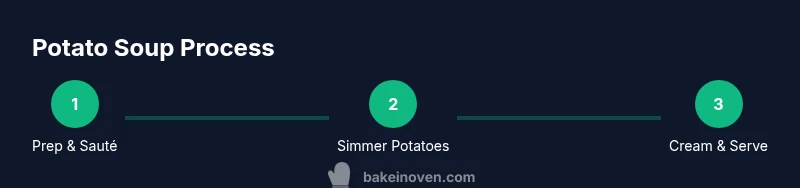
In this guide you will learn how to make easy bake potato soup from simple pantry ingredients. You’ll sauté aromatics, simmer diced potatoes in broth until tender, then blend to creamy texture and finish with cream or a dairy-free alternative. This comforting soup is ideal for weeknights and leftovers that taste even better the next day.
Why this easy bake potato soup works
According to Bake In Oven, this potato soup recipe leans on the natural starch from potatoes to create a creamy, satisfying texture without heavy thickeners. It starts with a simple aromatic base, uses everyday ingredients, and adapts easily for dairy-free or gluten-free diets. The approach balances warmth and comfort with practical technique: we simmer until potatoes are tender, then adjust creaminess by blending part of the pot or leaving a few chunks intact for texture. This makes the dish forgiving for beginners while still producing a restaurant-like finish for experienced home cooks. The method also benefits from a flexible ingredient list, letting you customize flavors with herbs, cheeses, or bacon if you like. Bake In Oven’s team emphasizes keeping the potato texture in mind—some texture, some silkiness, and a pocket of bite that makes every spoonful interesting.
Key flavors that elevate the base
While the core is simple, you can build depth with a few smart additions. Sautéed onions and garlic provide a savory foundation, while a touch of butter or olive oil adds richness. Stock or broth forms the liquid backbone, and you can finish with cream, milk, or a dairy-free substitute to reach the desired level of creaminess. For bright notes, stir in a splash of lemon juice or a pinch of mustard powder. If you want heartier flavor, finish with shredded cheese, chopped chives, or crumbled crispy bacon. The overall goal is a balanced, comforting bowl that tastes like a complete meal rather than a basic vegetable soup.
Texture control: creamy vs. chunky
Two textures define this soup: silkiness from blending and a rustic bite from chunkier potatoes. To achieve silkiness, blend all or part of the pot with an immersion blender or countertop blender, then reintroduce chunks if you like. To preserve texture, mash a portion of the potatoes in the pot with a fork before adding the liquid dairy, so you get a creamy base with visible pieces. If you prefer ultra-smooth, strain a portion through a fine mesh before returning it to the pot. The choice depends on your mood and the audience you’re serving.
Ingredient flexibility and substitutions
This recipe shines with flexibility. If you don’t have russet potatoes, Yukon Golds yield a creamier texture with slightly butterier flavor. For vegan or dairy-free diets, use olive oil instead of butter and substitute plant-based milk with a thicker, creamier one like barista-style non-dairy milk. Stock can be swapped for water plus a bouillon cube for a lighter result. Fresh herbs at the finish—parsley, chives, or dill—add brightness, while toppings like shredded cheese, sour cream, or crispy bacon provide texture and contrast. Keeping things flexible makes this soup approachable on busy weeknights.
Nutritious, budget-friendly, and kid-friendly
Potato soup is naturally filling and economical, using inexpensive staples you may already have. The dish can be scaled up to serve a crowd or reduced for a cozy weeknight dinner. For kids, a milder version with gentle seasoning and extra creaminess is often a crowd-pleaser. The recipe can also be adapted to use leftover baked potatoes or mashed potatoes, making it a fantastic way to reduce waste while creating a comforting meal.
Serving and storage guidance
Serve the soup hot with a sprinkle of cheese and green onions, crusty bread on the side, or a dollop of sour cream. Leftovers refrigerate well for 3–4 days, and you can freeze portions for longer storage. Reheat gently on the stove with a splash of stock or water to loosen the texture if it thickens. The soup tends to thicken a bit as it rests, so plan for a slightly looser consistency when reheating. This makes it ideal for meal prep and can feed a family across several dinners.
Tools & Materials
- Chef's knife(Sharp blade for dice potatoes and chopping aromatics)
- Cutting board(Stable surface to dice potatoes safely)
- Large heavy-bottom pot (3-4 qt)(Even heat distribution to prevent scorching)
- Immersion blender (optional)(For quick blending directly in pot)
- Measuring cups and spoons(Accurate liquid and spice measurements)
- Potato peeler(Peels are optional depending on potato type)
- Wooden spoon(Stirs without marring the pot)
Steps
Estimated time: 30-45 minutes
- 1
Gather and prep ingredients
Assemble potatoes, onion, garlic, stock, dairy, and aromatics. Peel and dice potatoes into roughly even 1/2-inch cubes to ensure uniform cooking. Mince garlic and chop onion finely for quick flavor release. This setup minimizes on-cook surprises and keeps steps flowing smoothly.
Tip: Pre-measure spices and liquids to speed up assembly; even dice ensure uniform cooking. - 2
Sauté aromatics in butter or oil
Heat a tablespoon of butter or oil in the pot over medium heat. Add onion and garlic, cooking until translucent and fragrant (about 3–5 minutes). Stir occasionally to prevent browning and to release their sweetness.
Tip: Cook aromatics slowly to avoid bitterness; this is the base flavor you’ll taste in every spoonful. - 3
Add potatoes and stock
Stir in diced potatoes, pour in stock or broth, and season with a pinch of salt. Bring to a gentle simmer, then skim off any foam. This steady simmer ensures potatoes release starch for natural thickening without overcooking the potatoes.
Tip: Keep heat steady to avoid vigorous bubbles that can scald the bottom. - 4
Simmer until potatoes are tender
Let the pot simmer until the potatoes are fork-tender, about 15–20 minutes depending on size. Check a potato piece to gauge doneness; you want them fully soft but not falling apart for best texture.
Tip: If you’re short on time, cut potatoes smaller for faster cook-through. - 5
Blend to desired texture
Use an immersion blender to blend part or all of the soup to your preferred creaminess. If you want texture, leave some chunks whole. Blending creates silk, while leaving chunks preserves bite.
Tip: Blend in batches if using a countertop blender; vent steam to avoid pressure buildup. - 6
Finish with dairy and season
Stir in milk or cream, or a dairy-free alternative, until you reach your preferred richness. Adjust salt and pepper, and add any optional toppings like cheese or herbs. Serve hot and enjoy the contrast between cozy creaminess and potato chunks.
Tip: Taste before serving; a touch of acid (lemon juice) can brighten the finish if needed.
Frequently Asked Questions
Can I make this potato soup vegan?
Yes. Use vegetable stock, dairy-free milk or cream, and skip butter. You can still achieve a rich texture with olive oil and a dairy-free creamer.
Absolutely. Swap in vegetable stock, dairy-free milk, and olive oil, and you’ll still get a rich, comforting soup.
What varieties of potatoes work best?
Russet potatoes yield the creamiest texture, while Yukon Golds offer a slightly buttery flavor. Both are suitable; choose based on the texture you prefer.
Russets are the creamiest option, with Yukon Golds giving a nice, buttery finish.
Can I freeze potato soup?
Yes, you can freeze potato soup, but texture may change after thawing. Reheat slowly and stir in a splash of milk or stock to restore creaminess.
You can freeze it, but texture might shift; reheat gently and adjust with a little liquid.
How can I thicken soup if it’s too thin?
Simmer uncovered to reduce, or blend in more potatoes and a small bit of starch slurry. Adjust with dairy to reach desired creaminess.
Let it simmer longer to reduce, or blend extra potatoes for extra body.
What’s the best way to reheat leftovers?
Gently reheat on the stove with a splash of stock if needed. Microwave in short intervals, stirring in between to avoid uneven heating.
Reheat slowly on the stove and loosen with a little stock if needed.
Can I use a blender instead of an immersion blender?
Yes. Transfer in batches to a countertop blender, blend until smooth, return to the pot, and adjust texture with more liquid if needed.
Yes, you can use a regular blender—blend carefully in batches.
Watch Video
Key Takeaways
- Chop potatoes evenly for consistent cooking.
- Sauté aromatics to build a rich base flavor.
- Control creaminess by blending partially or fully.
- Adapt with dairy or dairy-free options and toppings.