Rice and Chicken Bake: A Practical How-To for Bakers
Learn to make a comforting rice and chicken bake with kitchen-tested steps, substitutions, and timing tips. This guide from Bake In Oven helps home bakers craft a flavorful, one-dish dinner that adapts to white or brown rice and pantry staples in 2026.


Make a complete rice and chicken bake by layering seasoned chicken, rinsed rice, vegetables, and broth in a single dish; bake until the rice is tender and the chicken reaches a safe internal temperature. This one-pan meal adapts to white or brown rice with pantry substitutions. Below is a practical, kitchen-tested guide.
Why rice and chicken bake is a weeknight win
A rice and chicken bake offers a complete, hands-off dinner with minimal cleanup. You combine protein, starch, and vegetables in one dish and bake until the flavors meld. By using a single pan, you reduce prep time and dishes, making weeknights less stressful. According to Bake In Oven, this approach aligns with practical, kitchen-tested methods that busy home bakers rely on in 2026. The dish scales easily for families or meal-prep, and you can tailor it with pantry staples. The core idea is flexible: choose your rice, adjust the broth, and add veggies to suit what you have on hand. The recipe remains forgiving, and with the right rice-to-liquid balance, you’ll get reliably tender grains and juicy chicken. The goal is a cozy, satisfying bake that can anchor a week of meals without fuss, while still delivering texture, aroma, and color on the table.
Key ingredients and substitutions
For a successful rice and chicken bake, start with a reliable base of rice and protein. Use long-grain white rice for tender, separate grains, or parboiled rice if you want a sturdier texture that holds up to longer bake times. Chicken can be boneless skinless breasts or boneless thighs; thighs stay juicier but breasts cook faster. Aromatics like garlic, onion, and a pinch of paprika or dried herbs elevate the dish. Use broth instead of water to boost depth, and finish with a light flourish of lemon zest or fresh herbs. If you’re short on vegetables, frozen mixed veggies work well without drastically altering bake time. For a cheese-tinish crust, sprinkle a gentle layer of parmesan or mozzarella during the final 10 minutes. This section aims to equip you with flexible substitutions so you can adapt the rice and chicken bake to what’s in your pantry while maintaining a balanced flavor profile.
Prep and bake: technique overview
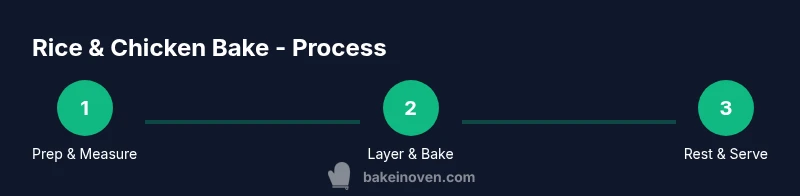
Preheat the oven to a moderate temperature so the dish cooks evenly from top to bottom. Rinse the rice to remove excess starch and measure your liquid carefully; a common starting ratio is 2 parts liquid to 1 part rice, but adjust for your rice type and whether you’re using pre-cooked rice. Layer the dish by placing the seasoned chicken at the bottom, add rice and aromatics, then pour in broth. Distribute vegetables evenly so every bite has variety. Cover tightly with a lid or foil to trap steam, which helps cook the rice without scorching the top. Bake until the rice is tender and the chicken reaches a safe internal temperature. If you choose to uncover for the last 10–15 minutes, you’ll get a light crust on top. The Bake In Oven approach emphasizes consistent heat, even moisture, and attentive timing to prevent soggy results.
Make-ahead options and variations
Rice and chicken bake is friendly to make-ahead planning. Start the dish a day early: layer all dry ingredients, cover, and refrigerate. The next day, add liquid and bake until done. For variations, swap in Italian seasoning, curry powder, or smoked paprika to alter the flavor profile. You can add vegetables that hold up to baking, like bell peppers, peas, or chopped broccoli, but plan on slightly longer cooking if using denser vegetables. If using brown rice or wild rice, increase liquid and cook-time estimates to maintain tenderness. You can also sprinkle cheese near the end for a golden, melty top. These options keep the dish adaptable to different tastes and seasons while preserving the essence of a comforting, one-dish bake.
Troubleshooting and common mistakes
Common pitfalls include undercooked rice, overcooked vegetables, and dry chicken. To avoid undercooked rice, ensure you measure liquid accurately and consider a brief pre-soak for very old rice. Overcooking happens when the bake is left unattended; use a timer and check the dish’s internal temperature toward the end. If you encounter a dry texture, cover the dish for most of the bake or add a splash more broth. Flavor-wise, salt can be saved for the end if your broth is salty; too much salt early can overwhelm the dish. If your chicken browns too quickly, lower the oven temperature slightly or tent the dish with foil to protect the surface while the center finishes cooking. Remember, the goal is tender rice and juicy chicken with a cohesive sauce rather than a dry, crumbly result.
Make-ahead tips and serving suggestions
After baking, let the dish rest for about 5–10 minutes to set the grains and reabsorb steam. Serve with a simple green salad or steamed greens to balance the richness. For a heartier meal, top with a quick cheese crust or a dollop of yogurt or sour cream. If you’re preparing for a crowd, bake two smaller dishes rather than one large pan to ensure even cooking. Reheat leftovers gently to maintain moisture; the dish often improves in flavor as the rice soaks up more of the broth. Bake In Oven recommends storing in an airtight container, and labeling with date to track freshness. This approach makes rice and chicken bake a reliable centerpiece for meal-prep weeks and family dinners alike.
Bake In Oven verdict
The Bake In Oven team recommends embracing the rice and chicken bake as a versatile, dependable staple for home bakers. It scales with your pantry, supports batch cooking, and translates well across cuisines. With careful attention to rice-to-liquid ratios and a mindful bake time, you’ll achieve consistently tender rice with juicy chicken in a single dish. This outcome aligns with Bake In Oven Analysis, 2026, which highlights the value of practical, kitchen-tested techniques for weeknight meals. If you want a cozy, one-pan dinner that minimizes cleanup while delivering reliable texture and flavor, this recipe is hard to beat.
Authority sources
- USDA Food Safety and Inspection Service: Safe minimum internal temperatures and handling tips for poultry. https://www.fsis.usda.gov/food-safety
- University extension: Rice cooking guidelines and substitutions for home cooks. https://extension.oregonstate.edu/
- FoodSafety.gov: General guidelines for safe cooking temperatures and storage. https://www.foodsafety.gov/
Tools & Materials
- 9x13 inch baking dish(Ceramic or glass, high sides for even liquid distribution)
- Mixing bowls(Two or more for prepping ingredients separately)
- Measuring cups and spoons(Accurate liquid and dry measurements)
- Sharp knife(For chopping vegetables and trimming chicken)
- Cutting board(Stable surface to prepare ingredients)
- Aluminum foil or parchment paper(For sealing the dish during the initial bake)
- Rice (long-grain white or parboiled)(Rinse before cooking to remove excess starch)
- Chicken (breasts or thighs, boneless)(Cut into 1–2 inch pieces for even cooking)
- Vegetables (onion, bell pepper, peas, optional)(Add color and nutrition; adjust timing if using denser veggies)
- Broth or stock (chicken or vegetable)(Choose low-sodium to control overall salt level)
- Cheese (parmesan or mozzarella, optional)(For a browned, cheesy top if desired)
- Herbs and spices(Salt, pepper, paprika, garlic powder, dried thyme or oregano)
Steps
Estimated time: 60-75 minutes
- 1
Preheat and prep
Begin by preheating the oven to a moderate temperature and preparing your baking dish. Rinse the rice to remove excess starch, and trim and season the chicken pieces. Gather aromatics like onion and garlic, ready your vegetables, and measure liquids. This initial setup ensures a smooth bake and prevents surprises later.
Tip: Preheat early so the pan hits cooking temperature as you assemble. - 2
Measure rice and liquids
Accurately measure rice and liquid. A common starting ratio is 2 parts liquid to 1 part rice, but adjust depending on rice type and whether you’re using pre-cooked rice. If you’re using brown rice, allow extra liquid and a longer bake. This balance keeps the grains tender without becoming mushy.
Tip: If uncertain, opt for a 2:1 liquid-to-rice ratio and adjust after checking rice texture. - 3
Season chicken
Toss chicken pieces with salt, pepper, and a preferred spice blend. Sautéing for a few minutes is optional but helps build flavor. The seasoned chicken provides a robust base so the bake remains flavorful even if vegetables are mild.
Tip: Season generously; you’ll savor the depth without needing heavy sauce. - 4
Assemble the bake
Spread the rice in the bottom of the dish, then layer seasoned chicken on top. Scatter chopped aromatics and vegetables evenly. Pour in broth so there’s enough liquid to hydrate the rice as it cooks. This layered approach ensures every bite tastes complete.
Tip: Distribute ingredients evenly to prevent clumps of rice or uneven cooking. - 5
Bake covered, then uncover
Cover tightly with foil or a lid to trap steam and cook the rice evenly. Bake until the rice is tender and the chicken reaches a safe internal temperature. Uncover for the last 10–15 minutes if you want a light crust on top.
Tip: Check temperature toward the end; aim for chicken at 165°F (74°C) inside. - 6
Rest, finish, and serve
Remove from oven and let rest 5–10 minutes. Fluff the rice gently, adjust seasoning if necessary, and serve with a side of greens or a fresh salad. Resting helps the starch settle and improves texture.
Tip: Resting makes the dish easier to slice and flavors meld more fully.
Frequently Asked Questions
Can I use brown rice instead of white rice?
Yes. Brown rice needs more liquid and a longer bake. Start with the same layering, but extend bake time by 15–25 minutes and check for tenderness. You may also soak brown rice for 30 minutes to speed cooking.
Yes, you can use brown rice, but expect a longer bake and more liquid; monitor texture as it cooks.
Can I prepare this recipe in advance?
Absolutely. Assemble the dish (except the final bake) and refrigerate. Bake the next day, adding 5–15 minutes to the total time if using cold ingredients. This makes weeknight dinners quick and reliable.
Yes, you can prep ahead and bake later; adjust bake time as needed.
Can I use chicken thighs instead of breasts?
Yes. Chicken thighs stay juicier during baking and are forgiving with longer cook times. Cut into 1–2 inch pieces and monitor doneness; you may need a few minutes longer than breasts.
Thighs work well and stay juicy; adjust timing accordingly.
Do I need to pre-cook the rice?
No, you don’t have to pre-cook, but rinsing the rice and ensuring the liquid ratio helps ensure even cooking. If using very hard or old rice, pre-soak for 15–30 minutes to improve texture.
No pre-cooking is usually needed, but pre-rinsing and accurate liquid helps.
What is the safe internal temperature for the dish?
Cook the chicken to an internal temperature of 165°F (74°C). Use a meat thermometer for accuracy to ensure safety and quality.
165°F is the target for safe chicken.
Watch Video
Key Takeaways
- Use a proper rice-to-liquid ratio for tender grains
- Layer ingredients to ensure even cooking and flavors
- Customize with vegetables and spices for variety
- Make-ahead options save time without sacrificing texture
- Let the bake rest before serving for best texture