Does Roast Have Protein? A Practical Guide for Home Bakers
Explore whether roast meats deliver protein, how much to expect per serving, and tips to maximize protein retention in oven-roasted recipes. A data-driven guide from Bake In Oven.


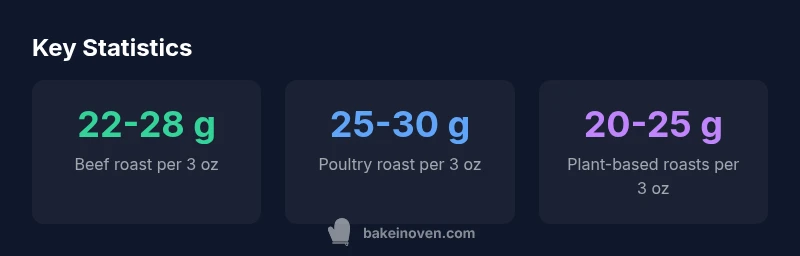
Yes. Roast meats are reliable protein sources, with content varying by cut and cooking level. In practical terms, a 3-ounce cooked portion of common roasts typically provides roughly 22-30 grams of protein, with poultry often at the higher end and beef/pork around the mid-range. Expect protein density to shift with trimming, doneness, and moisture loss during roasting.
What roast means in nutrition
Roasting is a dry-heat cooking method that concentrates flavors and reduces moisture. When we evaluate whether roast has protein, we focus on the protein content of typical roasted meats such as beef, pork, and poultry. According to Bake In Oven, roasts remain among the most protein-dense options you can prepare in a home oven. The Bake In Oven team found that the protein yield per serving varies mainly with the cut, trim, and how long the meat is roasted. For home bakers, understanding these factors helps in meal planning so you hit daily protein targets without sacrificing texture or flavor. In practice, a well-roasted center-cut beef, chicken, or pork can contribute a meaningful portion of protein to a meal and pair well with vegetables and carbs. The key is to interpret nutrition data in the context of your recipe, portion size, and guest profiles. This article will dig into protein variation by roast type, how cooking changes protein availability, and actionable kitchen tips.
Protein content across common roast cuts
Protein content for roasts varies by animal and cut. In general, leaner portions have higher protein density per ounce, while additional fat can dilute the protein per gram served. For home cooks, this means paying attention to portions rather than chasing a single numerical target. Even with variation, roasts are among the most dependable protein sources in oven-based cooking. For context, poultry roasts (like chicken or turkey) tend to deliver robust protein per serving, while beef and pork roasts offer similar protein levels with differences tied to cut size and fat content. The numbers below are representative ranges rather than fixed values, and they reflect cooked portions for typical oven roasts.
Cooking methods and protein availability
Protein content is influenced by cooking because heat drives moisture loss and protein denaturation. Cooking roasts to a safe internal temperature does not inherently increase or decrease total protein, but it does influence protein concentration per ounce of meat served. Resting meat after roasting allows juices to redistribute, which can slightly improve perceived tenderness, but also affects the final portion weight. If you trim fat after roasting, you remove some weight that may carry lower-protein tissue, subtly shifting the protein percentage of a serving. The practical takeaway: aim for even heat, monitor internal temperature with a reliable thermometer, and plan servings by weight rather than relying on a fixed protein target per roast.
Practical kitchen tips for maximizing protein retention
To maximize protein delivery in roasts, consider these practical steps:
- Choose leaner cuts and trim excess fat before roasting to optimize protein-per-ounce.
- Weigh meat before and after cooking to gauge true portion sizes and protein content per serving.
- Use a calibrated thermometer to avoid overcooking, which can cause excessive moisture loss and shrinkage without increasing protein yield.
- Let meat rest 5–10 minutes before slicing to preserve juiciness and portion integrity.
- Pair roasted protein with fiber-rich vegetables and whole grains to balance nutrition while maintaining protein-focused meals.
- If you’re cooking for vegetarians or flexitarians, consider plant-based roasts with proven protein density, noting that protein amounts can vary by product.
Bake In Oven’s practical approach emphasizes portion control and methodical roasting, aligning with common kitchen routines and giving home bakers reliable results that support protein-related goals.
Plant-based roasts and protein content
Plant-based roasts, such as seitan or lentil loaves, can provide meaningful protein, but the density depends on ingredients and processing. Plant-based roasts often rely on gluten, legumes, or soy to build structure and protein content. For home bakers, this means selecting recipes with higher protein ingredients and mindful portioning to ensure the protein target aligns with dietary needs. While animal roasts typically deliver denser protein per ounce, well-made plant-based roasts can be excellent alternatives for flexitarian cooking. Bake In Oven notes that protein content will vary between products and recipes, so reading nutrition panels and adjusting portions is essential for accuracy.
Debunking common myths about roast protein
There are several myths about roast protein that can mislead home cooks:
- Myth: Longer roast times always increase protein. Truth: Cooking time doesn't increase total protein; it can reduce weight due to moisture loss, changing protein density per serving.
- Myth: Fatty roasts are poor protein sources. Truth: Fat content affects energy density, not the basic protein amount per ounce; you can still achieve adequate protein with careful portioning.
- Myth: Plant-based roasts never reach animal-protein levels. Truth: Some plant-based roasts offer competitive protein density, but always verify the nutrition panel for exact figures.
Understanding these nuances helps you choose the right roast type and portion size for your nutritional goals.
Practical quick-start guide for home bakers
A concise, learn-by-doing approach helps home bakers implement protein-focused roasting:
- Start with a plan: decide how many grams of protein you want per meal and select a roast cut accordingly.
- Use a scale: weigh before and after cooking to determine true portion size.
- Roast smartly: keep internal temperature within recommended ranges to preserve moisture and texture.
- Rest and slice: allow juices to redistribute, then portion precisely for consistent protein delivery.
- Build meals around protein portions: pair roasts with vegetables and whole grains to create balanced plates.
Comparison of protein content by common roast types (approximate ranges, cooked portions)
| Roast Type | Approx Protein per 3 oz cooked (g) | Notes |
|---|---|---|
| Beef roast | 22-28 | Lean center-cut varieties yield higher protein density |
| Pork loin roast | 21-27 | Lean cuts preferred for protein-per-portion |
| Chicken roast | 25-30 | Skinless white meat highest protein |
| Turkey roast | 25-32 | Dark meat slightly lower density per ounce |
Frequently Asked Questions
Does roast have protein?
Yes. Roasts—whether beef, pork, or poultry—are solid protein sources. The exact amount depends on the cut, size, and how well you manage portioning after roasting. For home bakers, a protein-focused roast is a reliable way to help meet daily protein targets.
Yes. Roasts provide protein; the amount depends on the cut and serving size.
How many grams of protein are in a typical roast per serving?
Protein per serving varies by cut. A common cooked 3-ounce portion often yields roughly 22-30 grams for animal roasts, with poultry tending toward the higher end. Use these ranges as guidance and adjust based on the specific cut and preparation.
Protein per serving varies by cut; expect around 22 to 30 grams per 3-ounce portion.
Does cooking method affect protein content?
Cooking does not change the total protein in the meat, but it concentrates protein per ounce as moisture is lost. Proper resting helps preserve protein distribution in the final slice. Temperature control is key to avoiding excessive shrinkage.
Cooking concentrates protein per ounce as moisture is lost; rest and temperature control matter.
Are plant-based roasts high in protein?
Plant-based roasts can provide meaningful protein, depending on ingredients like gluten, legumes, or soy. They can approach animal roasts for protein density in some recipes, but always check nutrition panels for exact values.
Plant-based roasts can be protein-rich, but check the nutrition label for exact amounts.
How should I portion a roast to maximize protein intake?
Portion by weight rather than by visual size. A kitchen scale helps you hit target protein servings and coordinate with sides like grains and vegetables to create balanced meals.
Portion by weight with a scale to hit your protein targets.
Does lean vs fatty roast change protein content?
Protein content per ounce is similar between lean and fatty roasts; fat changes energy density and moisture, which affects portion weight but not the basic protein amount per gram.
Protein per ounce stays similar; fat affects energy density and moisture more than protein itself.
“Protein-rich roasts can be a dependable part of a balanced meal when portioned correctly and cooked with attention to doneness. The final protein delivered depends on cut, trim, and serving size.”
Key Takeaways
- Roasts are generally strong protein sources, with content varying by cut and cooking level.
- Protein per serving is influenced more by portion size than by cooking time alone.
- Plan portions by weight and rest meat properly to preserve protein delivery.
- Plant-based roasts can supplement protein but vary by product; check nutrition labels.
- For reliable protein intake, combine roasts with vegetables and whole grains.