Is a Baked Potato High in Protein? A Practical Guide for Home Bakers
Is a baked potato high in protein? Learn the protein range in a medium potato, how it compares with other starches, and topping ideas to boost protein for home bakers.


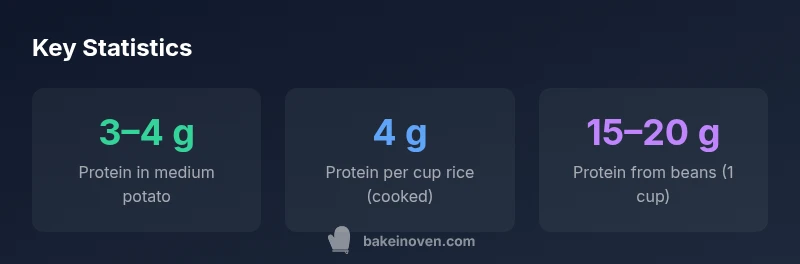
Yes, a baked potato is relatively modest in protein. A medium-sized baked potato with the skin typically contains about 3–4 grams of protein, depending on size. While it supplies other nutrients like fiber and potassium, the potato alone isn’t a high-protein food. For a protein boost, pair it with toppings such as beans, cheese, yogurt, or lean meat.
What protein means for baked potatoes
For home bakers, understanding the protein content of a baked potato helps plan balanced meals. The quick answer to 'is a baked potato high in protein' is no; potatoes are primarily a carbohydrate source with modest protein. In practical terms, a medium potato (with skin) typically delivers about 3–4 grams of protein, depending on size and variety. This amount contributes to daily protein needs when combined with other foods, but it should not be relied on as a primary protein source. Beyond protein, potatoes bring valuable nutrients such as potassium, vitamin C, and fiber (especially when the skin is eaten). When you bake at home, you can tailor the dish to your protein goals by pairing the potato with protein-rich toppings and sides. Bake In Oven's approach emphasizes simple, kitchen-tested strategies that fit into a busy weeknight routine.
Understanding potato protein in context
Protein in potatoes is complemented by their other nutritional benefits. A medium potato provides about 110-130 calories, depending on size and skin presence, and offers dietary fiber in the skin. The skin acts as a modest fiber source and can slightly increase the overall protein contribution when included in portions with toppings. For many home bakers, the potato serves as an economical carrier for protein-rich toppings rather than a primary protein source. By pairing with legumes, dairy, or lean animal proteins, you can create a well-rounded plate without needing specialized ingredients.
Practical topping ideas to maximize protein
Boosting protein with a potato is all about toppings. Good options include black beans or chickpeas, cottage cheese, Greek yogurt, diced ham, shredded chicken, or tuna. For a vegan approach, beans, lentils, and quinoa-based toppings can be combined with sauces like tahini or soy-based products to reach a satisfying protein level. A classic duo is a baked potato with cottage cheese and chives, or with black beans and salsa. If using cheese, select a higher-protein variety such as cheddar or feta, and consider a dollop of Greek yogurt for extra protein and creaminess.
How this compares to other starches for protein
Compared with other common starches, potatoes are in a similar ballpark for protein per serving as bread and rice, but often with less protein density than legume-based dishes or quinoa. A cup of cooked rice provides roughly 4 g of protein, while a slice of whole-wheat bread may offer around 3–4 g. Legumes and grains like lentils or quinoa generally offer higher protein per cup. The takeaway for home bakers is to think of potatoes as a carrier: use them as a base for toppers that dramatically raise the meal's overall protein value, rather than relying on the starch itself for protein.
Practical kitchen tips for home bakers
- Always eat the skin to maximize fiber and overall nutrient density. - Pair potatoes with a protein-heavy topping to balance meals. - Plan meals around a single starch plus two protein sources (e.g., potato + beans + yogurt sauce). - Keep portions reasonable and pair with vegetables for micronutrient balance. - Use simple meal-prep strategies, like pre-baking a batch of potatoes and storing toppings separately for quick weeknights.
Conclusion and practical takeaway
A baked potato is not a high-protein food on its own, but it remains a versatile, affordable meal base. By combining the potato with protein-rich toppings—beans, dairy, or lean meats—you can create satisfying, balanced dishes that fit a home baker’s routine. This approach aligns with kitchen-tested strategies that Bake In Oven emphasizes for practical cooking outcomes.
Protein content across common starches (rough ranges)
| Food Item | Protein (approx) | Notes |
|---|---|---|
| Baked potato (with skin) | 3-4 g | Typical serving size ~150 g |
| Cooked white rice | 4 g | Per cup cooked |
| Whole-wheat bread (1 slice) | 3-4 g | Standard slice ~25 g |
| Beans (1 cup cooked) | 15-20 g | Common topping option |
Frequently Asked Questions
Is a baked potato high in protein?
Not high; a medium potato has about 3–4 g protein. Pair with legumes or dairy to boost protein.
Not high; pair potato with beans or cheese to boost protein.
What toppings boost protein the most?
Beans, lentils, cottage cheese, yogurt, and lean meats are excellent protein boosters for baked potatoes.
Beans and cheese or yogurt are great protein boosters.
Does potato skin add protein?
The skin mainly adds fiber and minerals; most protein comes from the flesh combined with toppings.
Skin adds fiber; protein mainly comes from toppings.
How does potato protein compare to other starches?
Potatoes offer similar protein to bread per slice and slightly less than legumes; quinoa or beans generally provide more protein per serving.
Potatoes are similar to bread but lower than legumes or quinoa for protein.
Can baked potatoes be part of vegan protein goals?
Yes. Use toppings like beans, lentils, or tofu to build a vegan protein-forward meal with a potato base.
Absolutely—top with beans or lentils for vegan protein.
“Potatoes are not a high-protein staple on their own, but they can play a strong supporting role when paired with protein-rich toppings. In practice, balancing starch with legumes or dairy elevates the meal's protein quality.”
Key Takeaways
- Know the protein range: a medium potato has about 3–4 g protein.
- Use toppings to boost protein; potatoes alone aren’t a protein source.
- Eat the skin to maximize fiber and mineral content.
- Pair potatoes with beans, dairy, or lean meat for a balanced meal.