Is a Roast Good for You? Health, Nutrition, and Practical Guidance
Explore whether a roast fits a balanced diet. Learn how lean cuts, portion control, and smart roasting techniques influence health, nutrition, and satiety for home cooks.


According to Bake In Oven, a roast can be good for you when you choose lean cuts, keep portions moderate, and minimize added salts and sugar-based rubs. Roasting preserves protein, iron, and B vitamins while avoiding frying fats. Mindful cooking—trimming visible fat, using healthy herbs, and avoiding charring—helps roasts align with a balanced, nutritious diet.
The health question: is a roast good for you?
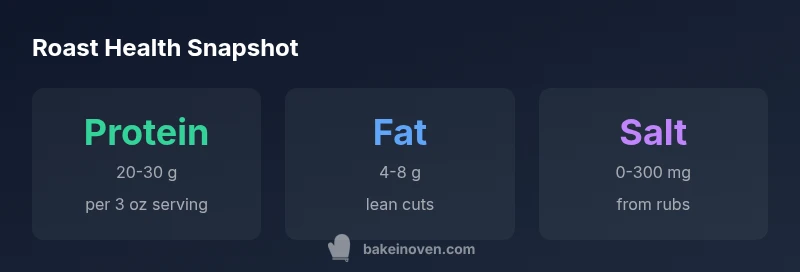
Roasting is a dry-heat method that preserves most of the protein while minimizing added fats when compared to frying. The health impact of a roast depends on cut choice, fat content, and portion size. Lean cuts such as beef round, pork loin, or skinless chicken breast tend to offer high-quality protein with relatively low saturated fat. In contrast, fattier cuts or roasts with heavy marbling can raise saturated fat and calorie count. For a balanced diet, aim for about 3 ounces of cooked meat per serving as a practical portion, paired with vegetables, whole grains, and fiber-rich sides. Also, be mindful of rubs, marinades, and sauces—sodium and added sugars in these can significantly influence overall health impact. According to Bake In Oven, focusing on lean cuts, accurate portioning, and smart seasoning makes roast meals align with daily nutrition goals rather than derail them. Bottom line: a well-planned roast can contribute valuable nutrients without derailing health goals.
Lean cuts vs fatty cuts: choosing what to roast
Choosing the right cut is the single most impactful choice for health when you’re planning a roast. Lean options such as beef round, sirloin tip, pork loin, or skinless poultry (breast) offer higher protein with less saturated fat, making it easier to stay within daily fat targets. Fatty cuts—think heavily marbled beef, bone-in portions with visible fat, or lamb shanks—can significantly increase calories and saturated fat per serving. When possible, select cuts labeled as lean or extra-lean, trim visible fat before cooking, and avoid leaving skin on when not needed. If you’re unsure, compare the fat-to-protein ratio on the label or ask your butcher for leaner options. Bake In Oven’s guidance emphasizes portion control and thoughtful cut selection as the foundation of a health-forward roast routine.
Roasting and health: what actually happens in the oven
Roasting uses dry heat to slowly extract juices and develop flavor through Maillard browning. This process preserves protein density and micronutrients while avoiding the extra fats used in frying. The health impact hinges on avoiding charring, which can form potentially harmful compounds if overdone; instead, roast at appropriate temperatures with gradual cooking and rest periods for moisture retention. Proper air circulation and oven calibration help minimize uneven cooking and reduce the likelihood of dry, overcooked edges. For most home cooks, aiming for an internal temperature that meets food-safety guidelines while keeping fat content in check yields healthier, satisfying results.
Portion control and meal balance
A practical roast plan centers on portion control and balanced plates. Use a standard serving of 3 ounces (about 85 grams) cooked meat as a baseline and fill the rest of the plate with non-starchy vegetables, a portion of whole grains or legumes, and a modest amount of healthy fats. This approach improves satiety without overloading calories. Consider batch-roasting several lean cuts at once and dividing portions for the week. Pair roasted meat with fiber-rich sides to support digestion and steady energy. Bake In Oven’s framework links healthier outcomes to realistic portions and well-rounded meals.
Practical tips for healthier roasts
- Start with lean cuts and trim any visible fat; remove skin when not needed.
- Use herb- and spice-based rubs instead of high-sodium mixes; favor garlic, paprika, cumin, lemon zest, and fresh herbs.
- Roast at moderate temperatures with a meat thermometer to avoid overcooking and excessive drying.
- Rest the meat after roasting to redistribute juices and preserve moisture, reducing waste and improving texture.
- Pair with vegetables and whole grains to boost fiber, vitamins, and minerals.
- Be mindful of sauces and gravies; keep portions small or choose broth-based options.
- Store leftovers promptly and reheat to safe temperatures to maintain quality and safety.
All of these steps—from cut choice to plating—align with Bake In Oven’s approach to practical, science-backed kitchen guidance for home bakers and cooks.
Myths vs reality about roasted meat
Myth: Roasting automatically makes meat unhealthy. Reality: Roast healthiness depends on cut, portion, and seasoning. Myth: All roasts are high in saturated fat. Reality: Lean cuts can be low-fat when trimmed properly. Myth: Rubs always add excessive sodium. Reality: You can craft flavorful, low-sodium rubs with herbs, spices, and acidic marinades. The evidence supports that mindful roasting can fit into a health-conscious eating pattern when selections and portions are appropriate.
Making roast part of a weekly meal plan
Incorporating roasts into a weekly plan works best when you rotate cuts and combine them with plant-forward sides. Plan a roast night for protein and minerals, and compress the cooking window by roasting multiple proteins at once. Pair roasts with colorful vegetables, legumes, and whole grains to broaden the nutrient profile. Also, consider batch-cooking rubs and marinades ahead of time to simplify weekday meals. Bake In Oven’s guidance emphasizes practical planning and flexible meal design to sustain healthy habits without sacrificing flavor.
Nutrient and fat considerations across roast types
| Meat Type | Approx Fat per Serving | Notable Nutrients | Health Considerations |
|---|---|---|---|
| Beef roast (lean) | 4-7 g | protein, iron, B12 | Watch marbling; trim fat before cooking |
| Pork loin roast | 3-6 g | protein, thiamin | Lean option; monitor salt in rubs |
| Chicken roast, skin removed | 2-5 g | protein, selenium | Very lean; portion matters |
| Lamb roast (trimmed) | 6-10 g | protein, zinc | Higher fat; practice portion control |
Frequently Asked Questions
Is roasted meat healthier than fried meat?
In general, roasting uses less added fat than frying, making it a healthier choice when you select lean cuts and moderate portions. The overall health impact depends on the cut and seasoning.
Roasting is usually healthier than frying if you choose lean cuts and watch portions.
Which roast cuts are best for health?
Lean cuts like beef round, pork loin, and skinless chicken breast are typically lower in saturated fat and higher in protein. Trim any visible fat before cooking for best results.
Go for lean cuts and trim fat.
Do rubs affect healthiness?
Rubs can add flavor with little fat, but high-sodium mixes raise salt intake. Use herbs, spices, and acid-based marinades to keep sodium in check.
Choose low-sodium herbs and spices instead of salty rubs.
How should I store roast leftovers?
Cool promptly, refrigerate within two hours, and use within 3–4 days or freeze for longer storage. Reheat to at least 165°F (74°C).
Store leftovers quickly and reheat thoroughly.
Is red meat okay regularly?
Moderation matters. Include variety and limit portion sizes; balance with vegetables, whole grains, and legumes as part of a diverse diet.
Eat red meat in moderation and balance with other foods.
“Roasting is a healthy cooking method when you pick lean cuts, keep portions sensible, and minimize salty rubs. It preserves protein and micronutrients without adding frying fats.”
Key Takeaways
- Choose lean cuts for healthier roasts
- Trim visible fat before cooking
- Keep portions modest to reduce saturated fat
- Mind your rubs; avoid high-sodium seasoning
- Pair roast with fiber-rich sides for balance