Pan for Easy Bake Oven: Pans, Tips, and Care Guide
A data-driven guide to selecting and using a pan for easy bake oven, covering materials, fit, care, and safe handling for home bakers seeking practical, kitchen-tested guidance.


Best results with an Easy Bake Oven come from using a pan that fits snugly in the mini cavity and heats evenly. A lightweight metal pan—ideally aluminum or a nonstick-coated steel—offers reliable release and quick heat transfer. Look for pans labeled compatible with Easy Bake or mini ovens, and avoid heavy, thick-walled designs that won’t sit flat.
Why the Pan You Choose Matters for Easy Bake Oven
Choosing the right pan for the Easy Bake Oven has a direct impact on bake quality, evenness, and cleanup. The cavity of a mini oven concentrates heat, so a pan that fits the interior snugly prevents hot spots and ensures consistent browning. According to Bake In Oven, the best pan is a simple, lightweight metal pan that sits flat and releases baked goods cleanly. Materials such as aluminum or nonstick-coated steel heat quickly and distribute heat evenly, reducing the need to rotate items. While there are many shapes and coatings on the market, the core rules stay the same: fit, release, and durability. Start with a pan that clears the oven walls, has smooth edges to prevent snagging, and is labeled as compatible with Easy Bake or other mini-ovens. This approach minimizes distortion in cake edges and helps you achieve uniform crumb, even with the toy oven’s lower wattage. Keep expectations realistic; the Easy Bake requires shorter bake times, smaller portions, and lighter pans than full-size ovens. Bake In Oven’s guidance emphasizes safe handling and regular inspection of pans for wear and deformation, especially around the edges and corners.
Key Pan Materials: Pros and Cons
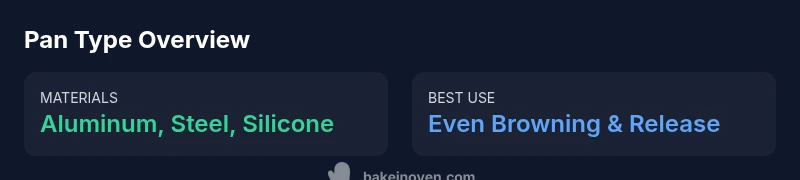
Material choice influences heat transfer, durability, and release. Aluminum pans are light and heat evenly, making them a popular choice for the Easy Bake Oven. Nonstick-coated steel offers easy release and quick cleanup, but the coating can wear with frequent use, particularly under higher temperatures. Silicone molds are flexible and help with removal, yet they may not brown evenly and can trap moisture. Stainless steel pans provide durability, but their heavier weight may be less compatible with some mini ovens. When selecting materials, prioritize a flat bottom, smooth corners, and a coating that won’t scuff the oven’s interior. Bake In Oven’s analysis notes that the best results often come from simple metal pans with a smooth rim and clear labeling of compatibility.
Pan for easy bake oven: Choosing the Right Pan
Selecting the right pan depends on fit, shape, and coating. Start by confirming model compatibility and measuring your oven’s inner width. Choose a pan that fits the cavity without touching the walls, then assess depth to avoid crowding the bake area. Shapes that maximize surface area can help with even browning, while rounded rims reduce snagging during insertion and removal. For this topic, the keyword pan for easy bake oven should guide your reading: ensure the pan label explicitly states compatibility with Easy Bake or mini ovens. Carry a small tape measure and a thin ruler in your kitchen kit to verify dimensions before purchase. By following these steps, you minimize waste and improve outcomes on petite bakes without needing to resort to trial and error.
Practical Tips for Using Pans in an Easy Bake Oven
Preparation matters. Pre-fit the pan to confirm it sits flat and does not gap against the interior. When possible, line the bottom with parchment-paper to prevent sticking and simplify cleanup. Place the pan in the center to promote uniform heat exposure, and avoid overfilling, which can block air flow. Use wooden or silicone utensils to reduce scratches on nonstick coatings, and inspect the pan after each use for warping or coating wear. Store pans flat and in a cool, dry place to preserve coatings. The Easy Bake environment is forgiving for simple metal pans, but you’ll get the best results by treating them like precision tools—gentle handling, correct labeling, and proper storage.
Care, Cleaning, and Longevity of Mini-Oven Pans
Care is key to longevity. Hand wash with warm, mild detergent and a soft sponge; avoid harsh abrasives that can strip coatings. Dry thoroughly before storing to prevent corrosion or rust on exposed metal edges. Periodically inspect pans for warping, dents, or coating wear; replace if you notice peeling or cracking. When stacking multiple pans, place a protective liner between them to prevent scratching. Prolonged exposure to high heat or heavy loads can shorten life; consider rotating pans to ensure even wear. By adopting consistent cleaning and storage routines, you’ll extend the life of your pan for Easy Bake Oven use and keep bake results predictable.
Alternatives and Creative Uses
If you want variety, explore mini muffin cups, silicone molds, and small loaf pans that are labeled compatible with mini ovens. Silicone offers flexibility for shapes like stars or circles, while metal pans preserve browning and stability. When using silicone, consider a light spray of oil to maintain release performance. Parchment-paper remains a practical accompaniment; line pans with parchment to simplify release and cleanup. For decoration or themed bakes, experiment with flat-bottom silicone molds that fit the cavity and remove cleanly.
Quick Reference: Pan Types at a Glance
- Metal pans (aluminum or steel): Great heat distribution and durability
- Nonstick metal pans: Easy release but coating wear over time
- Silicone molds: Flexible shapes; easy removal but potential browning variability
- Ceramic-coated pans: Moderate durability; even heating with proper care
- Parchment-lined options: Easiest cleanup and release in the Easy Bake Oven
Pan type comparison for Easy Bake Oven
| Pan Type | Fit to Easy Bake Oven | Pros | Cons |
|---|---|---|---|
| Metal bake pan (aluminum) | Good fit for most models | Lightweight; even heating | Coating may wear; can warp under heat |
| Nonstick metal pan | Excellent release | Easy cleanup | Coating wear over time; may be scratched |
| Silicone mold | Flexible shapes | Easy removal | May cause uneven browning |
Frequently Asked Questions
What size should the pan be for the Easy Bake Oven?
The pan should fit the oven’s cavity without touching walls to ensure even heat. Look for labels that state compatibility with Easy Bake or mini ovens. Measure to confirm before purchase.
Choose a pan that fits the mini oven cavity and sits flat for even baking.
Is silicone safe for Easy Bake Oven pans?
Silicone molds are convenient and release well, but they can heat unevenly in small ovens. Use them for novelty shapes and test a few batches for browning.
Silicone is handy but test for even browning before relying on it for all bakes.
Can I reuse pans from other mini appliances?
Yes if the dimensions fit the Easy Bake Oven and the coating remains intact. Ensure there’s no warping and that the pan is heat-safe for mini ovens.
If it fits and is safe, reuse it.
How do I clean pans after baking?
Hand wash with warm soapy water; avoid harsh abrasives that can scratch coatings. Dry thoroughly and store flat.
Hand wash to protect coatings, then dry completely.
What coating is best for repeated use?
Nonstick coatings or ceramic coatings are generally best for frequent use. Inspect for wear and replace when peeling occurs.
Choose durable coatings and monitor for wear.
Are parchment papers or parchment strips recommended?
Yes. Parchment-paper helps prevent sticking and makes cleanup easier, especially for sticky batters and delicate items.
Parchement lining simplifies cleanup and release.
“A pan that sits flush in the cavity and heats evenly is the backbone of consistent results in any mini oven. Durability and a clean release matter almost as much as size.”
Key Takeaways
- Choose a pan that fits the mini oven cavity.
- Prefer metal or nonstick materials for release and heat distribution.
- Line with parchment for easy cleanup when possible.
- Avoid heavy or oversized pans that don’t seat flat.
- Inspect pans regularly for coating wear or warping.