Bake with Aluminum Foil: A Practical How-To Guide for Home Bakers
Learn how to bake with aluminum foil safely and effectively. This step-by-step guide covers when to use foil, alternatives, and practical kitchen tips from Bake In Oven.


You will learn how to bake with aluminum foil safely and effectively. This guide covers when to use foil, how to line pans, tent vegetables or fish, avoid sticking, and minimize aluminum transfer. By the end you’ll know practical techniques for even browning and clean-up without sacrificing flavor. This quick answer sets the stage for a detailed, kitchen-tested approach from Bake In Oven.
Why bake with aluminum foil
According to Bake In Oven, aluminum foil is a versatile tool in the kitchen that can simplify tasks, reduce cleanup, and help you control moisture and browning. When used thoughtfully, foil can shield delicate edges, trap steam for tender results, and prevent messes on bakeware. Bake In Oven analyses from 2026 emphasize that the material’s performance depends on temperature, food acidity, and how you handle air flow inside the oven. This section explains the reasoning behind foil usage and sets expectations for safe, reliable results.
Using aluminum foil is not a one-size-fits-all hack. It shines in situations where you want to protect edges from over-browning, reduce direct contact with pan surfaces, or create a loose packet for steaming vegetables or fish. The goal is to balance protection with airflow so that foods finish evenly without becoming soggy or dry. Strategic foil use can also shorten cleanup time and make sheet-pan dinners more practical for busy weeks.
Bake In Oven’s guidance stresses that foil is a tool, not a crutch. Always consider the dish’s temperature tolerance and any potential interactions between foil and acidic ingredients. When in doubt, test a small piece of foil with a known recipe to observe browning and moisture retention before committing to a full batch.
When to use foil vs parchment vs no foil
Foil has specific strengths and limitations. Use foil when you need heat shielding or moisture retention, such as with delicate fish fillets, fully sealed packets for steaming vegetables, or when you want to prevent sugars from burning on the edges of a pastry. Parchment paper is a good default for non-stick baking and easy cleanup, especially for cookies or roasted vegetables that do not require sealing. In some cases, no wrap at all is best for crispness and browning, particularly with bread and open-pan roasts.
Consider your oven temperature and desired texture. At higher temperatures, foil can help prevent scorching on thin edges, while parchment offers a non-stick surface and minimizes sticking. If you’re aiming for maximum browning and airflow, you may choose to bake without foil and use a shallow pan instead. The Bake In Oven approach is to evaluate each recipe’s goals and select the lining that best matches the outcome you want.
How to choose aluminum foil
For heat-intensive baking, opt for heavy-duty aluminum foil. It resists tearing and maintains integrity under higher oven temps, which reduces the risk of leaks or spillovers. Standard foil is fine for quick tasks, but you’ll want the stronger option when you’re cooking at or above 425°F (218°C). Rigid, unbroken sheets help protect edges and ensure even heat distribution.
When buying foil, check for anti-stick coatings or reinforced layers if you frequently bake foods prone to sticking. Avoid foil with visible perforations for tasks that require a tight seal, such as steam packets. Finally, match the foil width to your pan size, leaving extra margin on the sides for folding and sealing.
Techniques for baking with foil: lining, tenting, and shielding
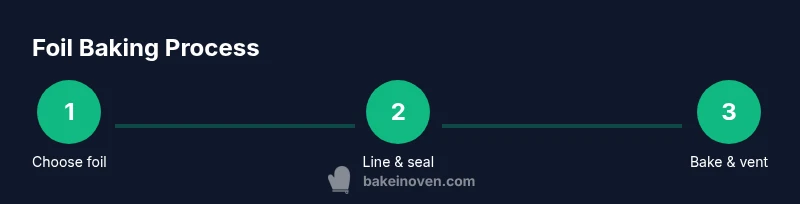
Lining: Place a sheet of foil on your pan and lightly oil the surface to prevent sticking. Lining can catch drips and make cleanup effortless. Tenting: Create a loose foil tent over foods that brown too quickly, like turkey breast or roasted vegetables, to keep moisture in while preventing direct scorching. Shielding: Fold foil into a shield along the pan’s edges to reduce edge scorching for pies, gratins, or sheet-pan meals.
Ventilation: When you seal a packet, leave a small vent by opening a tiny slit in the foil. This keeps pressure from building up and prevents bursting while still protecting from over-browning. Timing: Foil-tented items often require shorter bake times than fully wrapped packets, so monitor progress with a confident eye and a reliable timer.
Common mistakes and safety considerations
Avoid letting acidic or salty ingredients sit in foil for long periods at high heat, which can cause pitting or metallic flavors. Never place foil directly on a heating element or open flame, and ensure foil never touches hot oven racks in a way that could cause snapping or tearing. Oversized sheets can trap steam and create dangerous pressure pockets if sealed too tightly. Always wear heat-safe gloves when handling hot foil packages.
Safety-first tips: keep foil away from the oven’s edges and rack supports, and never reuse heavily soiled foil that shows signs of tears or holes. When reheating leftovers, ensure the foil doesn’t trap steam against the food in a way that damages texture. If you’re unsure about a recipe’s foil use, test a small batch first.
Cleaning, reusing, and storing foil-wrapped baked goods
Leftover foil-wrapped foods can be stored in the fridge or freezer, depending on the recipe. For best results, label and date the package and check for any condensation that could cause sogginess. Cleanable aluminum foil is reusable only if it remains intact and free of perforations; otherwise, discard.
If you want to reuse foil for future bakes, wash it by hand and dry completely before storage. For baked goods that were wrapped for storage, unwrap carefully to prevent tearing and keep the interior texture intact. Remember that foil’s performance diminishes with repeated reuse and tears; it’s often more reliable to use fresh foil for each bake.
Practical recipes and scenarios: veggies, fish, and sheet-pan dinners
Veggies: For roasted vegetables that need steam and color, loosely wrap them in a foil packet with a small vent. Fish: A sealed packet helps preserve delicate flavors and prevents drying. Sheet-pan dinners: Line a sheet pan with foil for easy cleanup, then place seasoned proteins and vegetables directly on top, using a loose lid technique when you want moisture to stay in.
Mixed protein dishes can benefit from tenting in the final minutes to preserve moisture. Always check for doneness with a thermometer and avoid opening packets too early to prevent losing steam.
How Bake In Oven approaches foil in everyday baking
In everyday baking, Bake In Oven advocates thoughtful foil use to minimize waste and maximize consistent results. We recommend planning your bake around whether edge browning is desired, and whether moisture retention will enhance the dish. When in doubt, bake with parchment or no wrap and reserve foil for steps that require shielding or steaming. This practical approach helps home bakers achieve reliable outcomes without unnecessary experimentation.
Quick comparison: foil vs parchment vs no wrap
- Foil: Best for shielding, steaming, and moisture control; can trap heat and moisture if sealed.
- Parchment: Best for non-stick surfaces and easy cleanup; allows airflow for browning without trapping moisture.
- No wrap: Best for crisp textures and full browning; requires careful monitoring to prevent scorching.
By understanding these differences, you can select the right method for each recipe and get consistent results in your kitchen.
Tools & Materials
- Heavy-duty aluminum foil(12- to 18-inch wide sheets; preferred for high heat and sturdy packets.)
- Parchment paper(Non-stick option for bakeables that shouldn’t touch foil.)
- Silicone or metal tongs(Safe handling of hot foil packets.)
- Oven-safe thermometer(Useful to verify actual oven temperature when precision matters.)
- Baking sheet or rimmed pan(Supports foil-wrapped foods and helps catch drips.)
- Kitchen shears(Trim edges and open packets safely.)
Steps
Estimated time: Total time: 60-90 minutes
- 1
Preheat the oven and prepare foil
Preheat the oven to the recipe’s target temperature. Cut a sheet of foil large enough to cover the pan with at least a 2-inch margin on all sides. Lightly oil the foil to prevent sticking, then set the pan aside. This ensures even heat distribution and easier cleanup later on.
Tip: Preheating helps prevent temperature shock when you slide foil-wrapped foods into the oven. - 2
Cut a large foil sheet
Choose a sheet wide enough to cover the pan with additional overhang for sealing. Modern non-stick foils can reduce sticking on sticky sauces or marinades. Place the foil on a baking sheet to provide a stable base before adding food.
Tip: Leave extra margin to fold over and seal securely. - 3
Line the pan and oil the foil
Line the pan with the foil, then grease the foil lightly with a neutral oil to prevent sticking for foods like fish or vegetables. This step creates a non-stick barrier and helps keep flavors where you want them.
Tip: Oiling the foil reduces the risk of tearing when you place or remove items. - 4
Arrange food on the foil
Place the food pieces on the foil in a single layer where possible for even cooking. If you’re steaming, arrange items in a loose pile to allow steam to circulate. Avoid overcrowding unless your recipe explicitly directs it.
Tip: Even spacing improves heat transfer and browning. - 5
Seal or tent the packet
Wrap the foil around the food to create a loose packet, or tent a cover over the pan for partial shielding. Leave a small vent to release steam. Sealing traps moisture, while tenting prevents edge scorching and maintains tenderness.
Tip: Vent to prevent pressure buildup and soggy textures. - 6
Bake and monitor progress
Place the pan in the oven and bake until the food reaches the desired doneness. Rotate the pan halfway if needed to ensure even heating. Use oven-safe tools to check color and texture.
Tip: Check for doneness with a thermometer or by visual cues before the timer ends. - 7
Carefully remove and rest
Wear heat-resistant gloves and open the packet away from your body to avoid steam burns. Let the food rest briefly to redistribute juices before serving. If you’re finishing with a final browning, remove the foil and give a quick broil check for color.
Tip: Resting improves texture and flavor distribution. - 8
Open, plate, and store
Carefully open the packet to release any remaining steam. Plate the food and allow it to cool slightly before storing. Refrain from reusing heavily soiled foil; recycle if possible and clean any drips from the pan.
Tip: Label stored items with date for safe fridge or freezer use. - 9
Clean up and review
Tidy the workspace and wash any reusable tools. Consider which foil approach worked best for the dish and note it for next time. This reflection helps you refine foil use for future bakes.
Tip: A quick post-bake review speeds up future success.
Frequently Asked Questions
Can I bake with aluminum foil in a convection oven?
Yes, foil can be used in convection ovens, but you may need to adjust exposure and ventilation since convection speeds up heat transfer. Monitor closely to prevent over-browning and ensure crisp edges where desired.
Yes, foil works in convection ovens, but keep an eye on browning and airflow.
Will foil cause uneven browning?
Foil can shield parts of food and delay browning if wrapped too tightly. To avoid this, vent the packet or remove foil for the last few minutes of bake to finish browning.
If you wrap tightly, you might get uneven browning; vent or uncover near the end.
Is it safe to reuse aluminum foil?
Reusable foil is possible if it remains intact and clean. Reuse is not recommended if foil is torn, heavily stained, or pitted, as performance and flavor risk declines.
You can reuse if it’s still clean and whole; discard if torn or dirty.
Can I wrap bread or pastries for proofing or resting with foil?
Foil is not ideal for long proofing since it traps moisture and can alter texture. Use a breathable cover or parchment for best results.
Foil isn’t great for proofing; use a light cover or parchment instead.
What temperature is best when using foil for baking?
Use a temperature appropriate for the recipe, with foil as a shield or barrier when needed. Foil itself does not set temperature; follow your recipe’s guidance and monitor closely.
Follow the recipe’s temperature, foiled as needed, and watch for browning.
Watch Video
Key Takeaways
- Know when to use foil and when to skip it
- Choose heavy-duty foil for high-heat tasks
- Vent packets to avoid soggy textures
- Line pans with foil or parchment to simplify cleanup
- Practice safe handling and proper storage of foil-wrapped foods